Nepal's workers sent home more in one month than the state invested in a year
Remittances reached Rs 2.36 trillion ($16.19bn) in 2025/26, more than the national budget, while capital spending fell below half its target and private credit stayed weak.
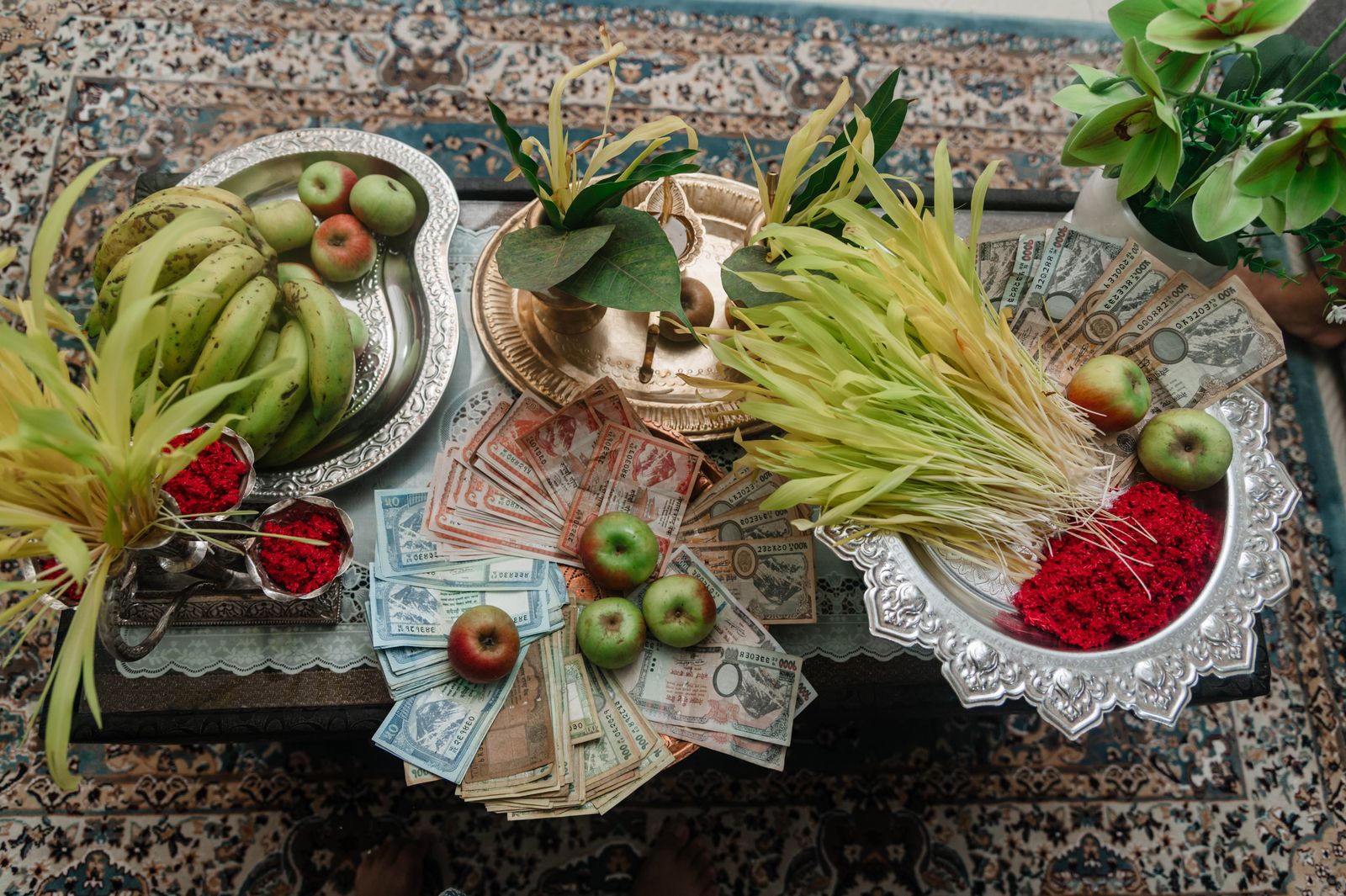
In the last month of Nepal's 2025/26 fiscal year, from mid-June to mid-July, workers abroad sent home Rs 242.33bn (about $1.56bn), according to Nepal Rastra Bank (NRB) figures reported by B360, a Kathmandu business publication. In the whole of that fiscal year the government spent Rs 190.84bn (about $1.23bn) on roads, bridges, power lines and other capital projects, The Rising Nepal reported, citing the Financial Comptroller General Office, which keeps the state's accounts. One month of money from migrant workers was larger than a full year of public investment.
That gap sums up the country's economic problem as the new fiscal year gets under way. Nepal is short of neither foreign currency nor bank deposits. It is short of people and projects willing to put the money to work. The figures released since August show the inflow still rising and the domestic channels for it still narrowing.
A record year from abroad
Remittances in 2025/26 reached Rs 2,363.13bn, up 37.1%, according to NRB data reported by B360. In dollars the total was $16.19bn, a rise of 28.1%, after growth of 19.2% in rupees and 16.3% in dollars the year before. Online Khabar reported that the central bank itself noted the inflow had exceeded the national budget of Rs 1.964 trillion (about $12.7bn).
The comparison flatters the budget, because the state did not spend all of it. Total expenditure was Rs 1,582.16bn (about $10.2bn), or 80.55% of the allocation, B360 reported from the comptroller's figures. Remittances were therefore about one and a half times what the government actually spent. Revenue reached Rs 1,280.65bn, 83.51% of its target, and foreign grants came to 58.5% of what had been expected, B360 said. Net secondary income, the balance-of-payments line that includes remittances, rose to Rs 2,581.53bn from Rs 1,874.30bn, according to the NRB figures reported by B360.
- Remittances receivedRs 2,363bn
- Government spending (actual)Rs 1,582bn
- Government revenueRs 1,281bn
- Capital spendingRs 190.8bn
Source: Nepal Rastra Bank and the Financial Comptroller General Office, via B360; The Rising Nepal
The make-up of the workforce abroad is changing. New approvals for foreign employment fell to 406,519 from 505,957, while re-entry approvals, issued to workers returning to jobs they already held, rose to 385,783 from 333,309, according to the NRB data reported by B360. The figures do not measure earnings, but a larger share of returning workers is consistent with more experienced migrants sending more per head. Nearly two million people have left Nepal for work in the past three years, The Kathmandu Post reported. For one of the main destination markets, see our report on the Malaysia recruitment dispute.
The flow has continued into the new year, though more slowly in dollar terms. In the first month of 2026/27, to mid-August, remittances were Rs 215.05bn, up 21.2%, or $1.40bn, up 10.2%, ShareSansar reported from central bank data. That is the latest month the central bank has published.
Money with nowhere to go
The inflow has built a large cushion. Foreign-exchange reserves stood at $25.84bn in mid-August, or Rs 3,946.23bn, enough for 18.8 months of imports of goods and services and 21.8 months of merchandise imports alone, ShareSansar reported. The balance of payments showed a surplus of Rs 90.34bn ($589.54m) for the month. The country leans on that money to pay for what it buys abroad. In the first two months of the year imports rose 31.58% to Rs 401.51bn while exports rose 61.86% to Rs 76.58bn, leaving a trade deficit of about Rs 324bn ($2.1bn), Nepal News reported, citing the Department of Customs, and the deficit is financed mainly by remittances.
Source: Nepal Rastra Bank, via ShareSansar
Inside the banking system the money has piled up. Deposits grew 14.5% in the year to mid-August, while credit to the private sector grew 7.0%, ShareSansar reported. The average base rate of commercial banks, the floor for their lending rates, fell to 4.72% from 5.78% a year earlier. The monthly figures are less smooth: deposits fell 0.3%, or Rs 20.71bn, in the first month of the fiscal year, The Kathmandu Post reported. The Post also reported that banks' credit-to-deposit ratio has fallen to about 65%, that private-sector credit has grown about 6% a year for three years against a central bank target of about 12%, and that lending rose only 0.4%, or Rs 23.5bn, in the first month of this fiscal year, with interest rates at a decade low.
Cheap money has not brought borrowers. The economist Dilli Raj Khanal told the Post that the government "has failed to build confidence in the economy". Min Bahadur Shrestha, a former vice-chair of the National Planning Commission, told the paper that the failure to raise investment and continuing unease in the private sector were serious concerns. For why lenders are struggling to find customers, see our report on idle bank money, and for what low rates mean for savers, see our report on deposit rates.
The state's own investment gap
Public investment, which might have absorbed some of the money, fell to its lowest share in at least six years on The Rising Nepal's figures. Capital spending in 2025/26 was Rs 190.84bn, 46.79% of the Rs 407.88bn capital budget, The Rising Nepal reported. The year before, the government spent Rs 222.68bn, so capital spending fell by about 14% in rupee terms. That earlier figure was 63.2% of the capital budget, and in each of the four years before that the share was between 57% and 65%, according to the same report. Measured against the original allocation of Rs 477.88bn, the share spent was 39.93%, B360 reported. Current spending, which covers salaries, administration and transfers, reached 88.4% of its target, according to B360.
The Ministry of Finance blamed weak project preparation, delays in acquiring land and clearing forest, and damage to infrastructure during the Gen Z movement, The Rising Nepal reported. The budget deficit for the year was Rs 301.51bn (about $1.95bn), the paper said.
Prices are now eroding part of what families receive. Consumer inflation was 5.96% in mid-August against 1.68% a year earlier, with food inflation at 6.77%, ShareSansar reported. Wholesale inflation exceeded 8%, The Kathmandu Post reported. For the festival season, when spending peaks, see our Dashain report.
What to watch
Three numbers will show whether the money starts working. The first is private credit growth against the central bank's target of about 12%, which the next monthly NRB reports will track. The second is the share of the 2026/27 capital budget actually spent, after a year in which more than half went unused; our budget explainer sets out the plans. The third is whether remittance growth holds in dollar terms, after slowing to 10.2% in the first month from 28.1% over the previous year. Exchange rates for the rupee are on our forex page.
How this story was made: researched and written by The Standard’s desk with AI assistance, from the published reporting and official data credited below, and checked against those sources. Our standards.
The long view Nepal's remittance economy
The long view Nepal's LDC graduation