Fixed-deposit rates in Nepal fall below inflation as savers drift to ordinary accounts
Banks now offer individuals about 4% on fixed deposits while prices rise by nearly 6%. Fixed deposits have shrunk from almost half of commercial bank deposits to about a third.
A Nepali who locks money in a bank for a year now earns less than the rate at which prices are rising. For the month of Ashwin, which began in mid-September, the average maximum rate that the 20 commercial banks offer on individual fixed deposits fell to 4.09%, from 4.14% in Bhadra, according to ShareSansar. The average rate for institutional deposits slipped to 3.07%.
Consumer prices, meanwhile, rose 5.96% in the year to mid-August, against 1.68% a year earlier, according to Nepal Rastra Bank figures summarised by ShareSansar. Food and drink prices rose 6.77%. In real terms, a typical fixed deposit is losing value.
A steady slide
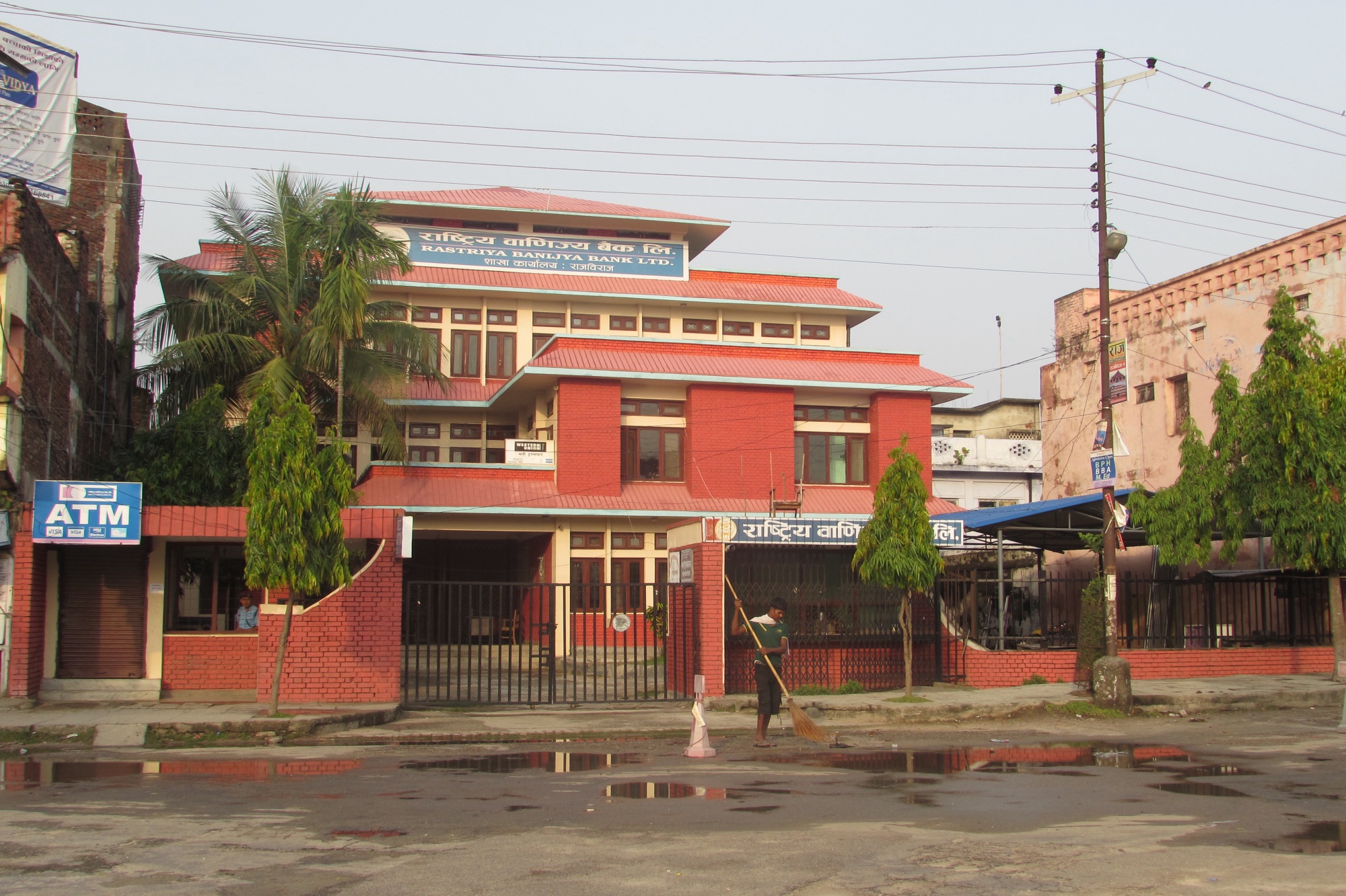
The cuts have come in small steps. For Shrawan, the first month of the fiscal year, Rastriya Banijya Bank cut its individual rate by 0.75 percentage points and its institutional rate by a full point, Ratopati reported, while twelve banks left rates unchanged. Kumari Bank and Standard Chartered then offered the lowest individual rate, 3.85%.
In Ashwin, Everest Bank made the largest cut, lowering its individual rate from 4.05% to 3.50%, and Nabil Bank cut from 4.55% to 4.25%, ShareSansar reported. Prabhu Bank now pays the most, 4.55%, followed by five banks at 4.50%. A year ago the picture was different: in August 2025 the average maximum rate on personal fixed deposits was 5.57%, Himal Press reported at the time.
The cause is the one that has shaped Nepali banking for two years. Deposits keep arriving, swollen by remittances, while borrowers stay away. Remittance inflows in the first month of 2026/27 alone were Rs 215bn (about $1.4bn), up 21.2%, ShareSansar reported. Banks with more money than they can lend have little reason to pay for more. The commercial banks' average base rate, the floor for their lending rates, stood at 4.72% in mid-August. For the background, see why banks are flush but nobody is borrowing.
Where the money is going
Savers appear to have noticed. Nepal Rastra Bank's statistics show that fixed deposits made up 35.13% of commercial banks' deposits at mid-July 2026, down from 47.59% a year earlier. Savings deposits rose from 36.56% to 46.41% of the total. When a fixed deposit pays little more than a savings account, the case for tying money up weakens.
The weighted average rate that commercial banks actually paid on all deposits fell from 4.19% to 3.21% over the same year, the central bank reported. Savings accounts paid 2.82% on average and fixed deposits 4.95%. That fixed-deposit average is higher than the rates now advertised because older multi-year deposits still carry higher rates: in mid-June, deposits of two years and more earned a weighted 7.92%. As those mature and are renewed at today's rates, the average will keep falling.
The effect on household income is already large. Commercial banks paid Rs 155.5bn in interest on fixed accounts in 2025/26, down from Rs 211.2bn the year before, according to central bank data. That is about Rs 56bn (some $360m) less flowing to depositors in a single year.
What to watch
Banks publish their rates for Kartik in mid-October, and ShareSansar's monthly comparison will show whether the slide continues. The other number to watch is inflation: the gap between deposit rates near 4% and price rises near 6% decides whether savers are gaining or losing in real terms, and the central bank's next monthly report will update it.
How this story was made: researched and written by The Standard’s desk with AI assistance, from the published reporting and official data credited below, and checked against those sources. Our standards.



