Tourism recovers from the uprising as China returns and Manaslu snows shut
Arrivals rose 12% in September and climbing royalties are up, but bad weather and a still-gutted Hilton show how fragile the season remains.
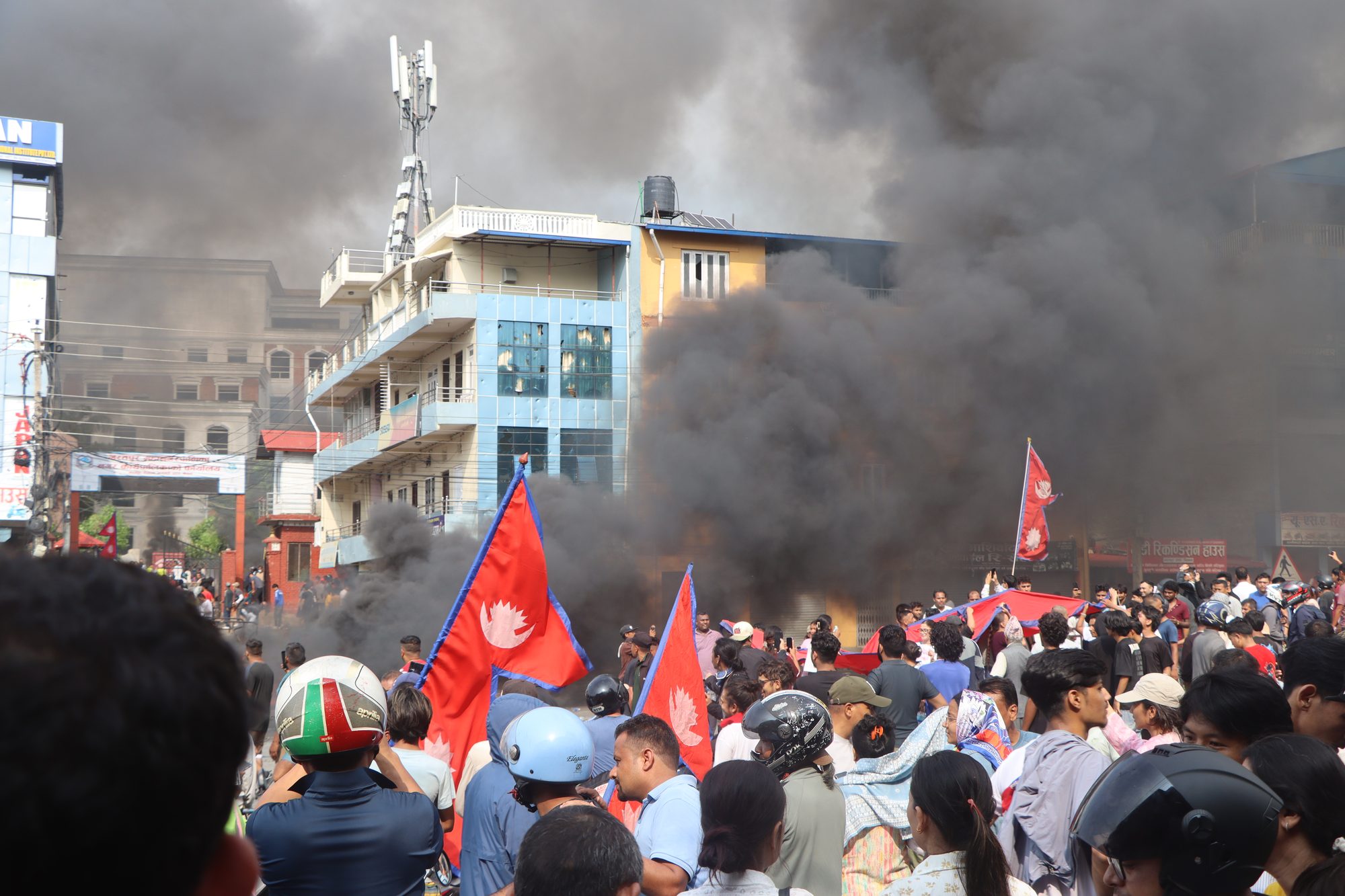
A year ago, September was the month Nepal's tourism industry would rather forget. The Gen Z protests of 8 and 9 September 2025 left hotels burning in Kathmandu and elsewhere, and foreign arrivals that month fell by 18.3%. This September offered a measure of repair, though not yet a full recovery.
Arrivals: better, not yet good
According to Nepal Tourism Board figures, 88,248 foreign visitors arrived in September 2026, up 12.1% on the 78,711 of a year earlier. That is still below the 96,302 recorded in September 2024 and about 95% of the pre-pandemic level for the month. Over the first nine months of the year, arrivals reached 865,920, about 6% more than in the same period of 2025.
The make-up of visitors is shifting. India remained the largest source, with 17,425 arrivals. China was second with 11,212, more than double last September's 5,237. Arrivals from Asian countries outside South Asia rose by 58%. Europe went the other way, down 8.7% to 15,148, and visitors from the Americas fell from 11,523 to 10,107. The United States still sent 8,299 people, Sri Lanka 7,108 and Australia 4,842.
For the whole of 2025, Nepal received 1.16m foreign tourists, 96.8% of the 2019 peak. Industry figures have long blamed high airfares and too few international flights for the remaining shortfall.
The Indian visitor goes cashless
Indian tourists are also spending differently. Since March 2024 they have been able to pay at Nepali merchants by scanning QR codes with India's Unified Payments Interface. The Kathmandu Post reported on 9 October that more than 2m merchant points in Nepal now accept such payments, and that transaction data show Indian visitors spending at Pashupatinath temple, at fast-food chains, at the Chandragiri Hills resort and at supermarkets such as Bhat-Bhateni and Big Mart. About 293,000 Indians arrived by air in 2025, roughly a quarter of all foreign arrivals, and many more came overland without being counted. Indians account for about 60% of visitors at Pashupatinath and about 29% at Chandragiri, according to the paper.
The mountains: more permits, less summit
The autumn climbing season has drawn more paying clients than expected. As of 8 October, the Department of Tourism had issued permits to 788 climbers in 91 teams for 31 peaks, according to Nepal News, and collected Rs 247.2m, or about $1.63m, in royalties. The climbers came from 70 countries, led by China with 118, followed by Russia, France, the United States and Britain. Manaslu, the world's eighth-highest mountain at 8,163 metres, accounted for 500 climbers in 43 teams and about Rs 225.9m of the royalties.
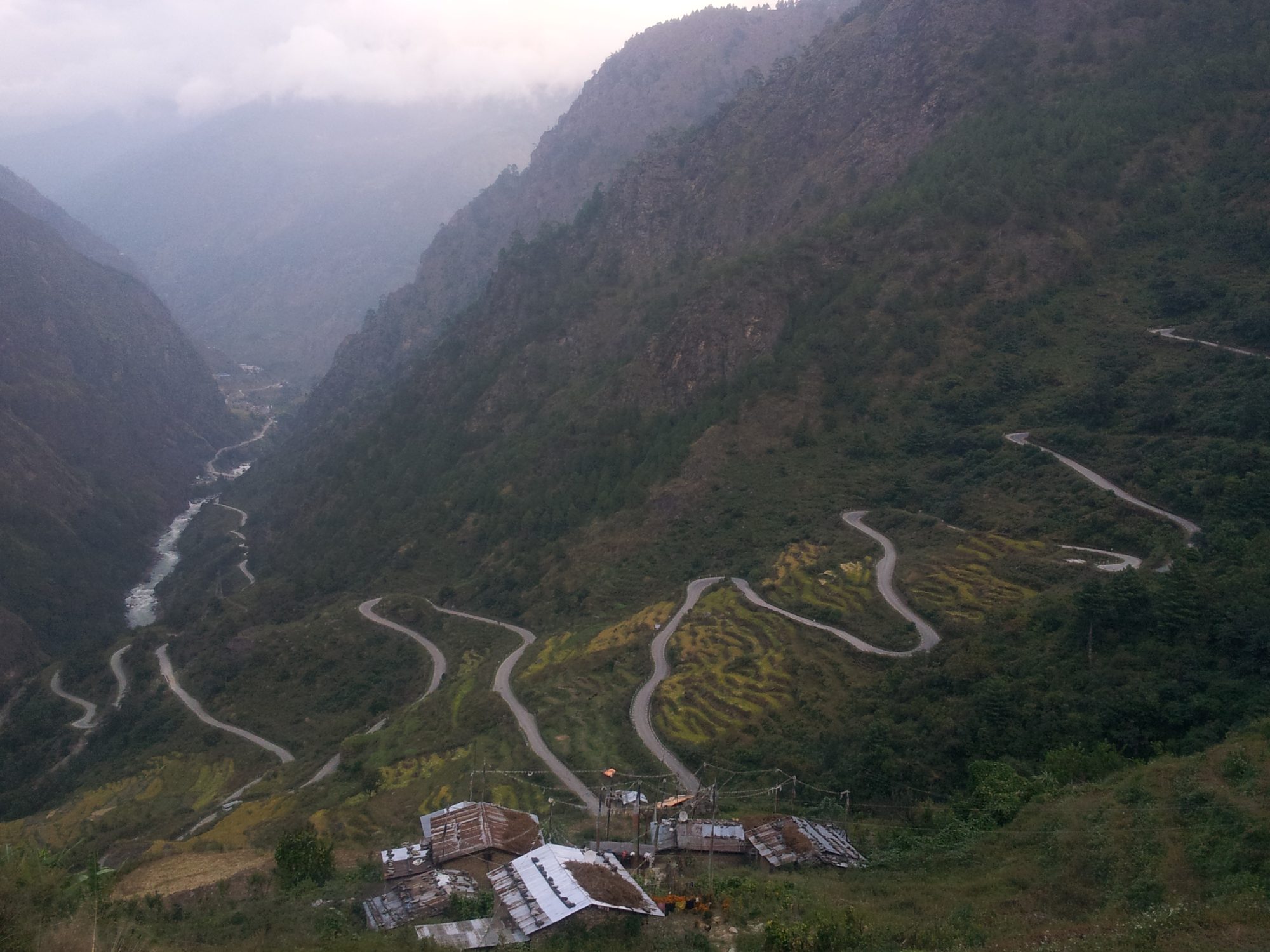
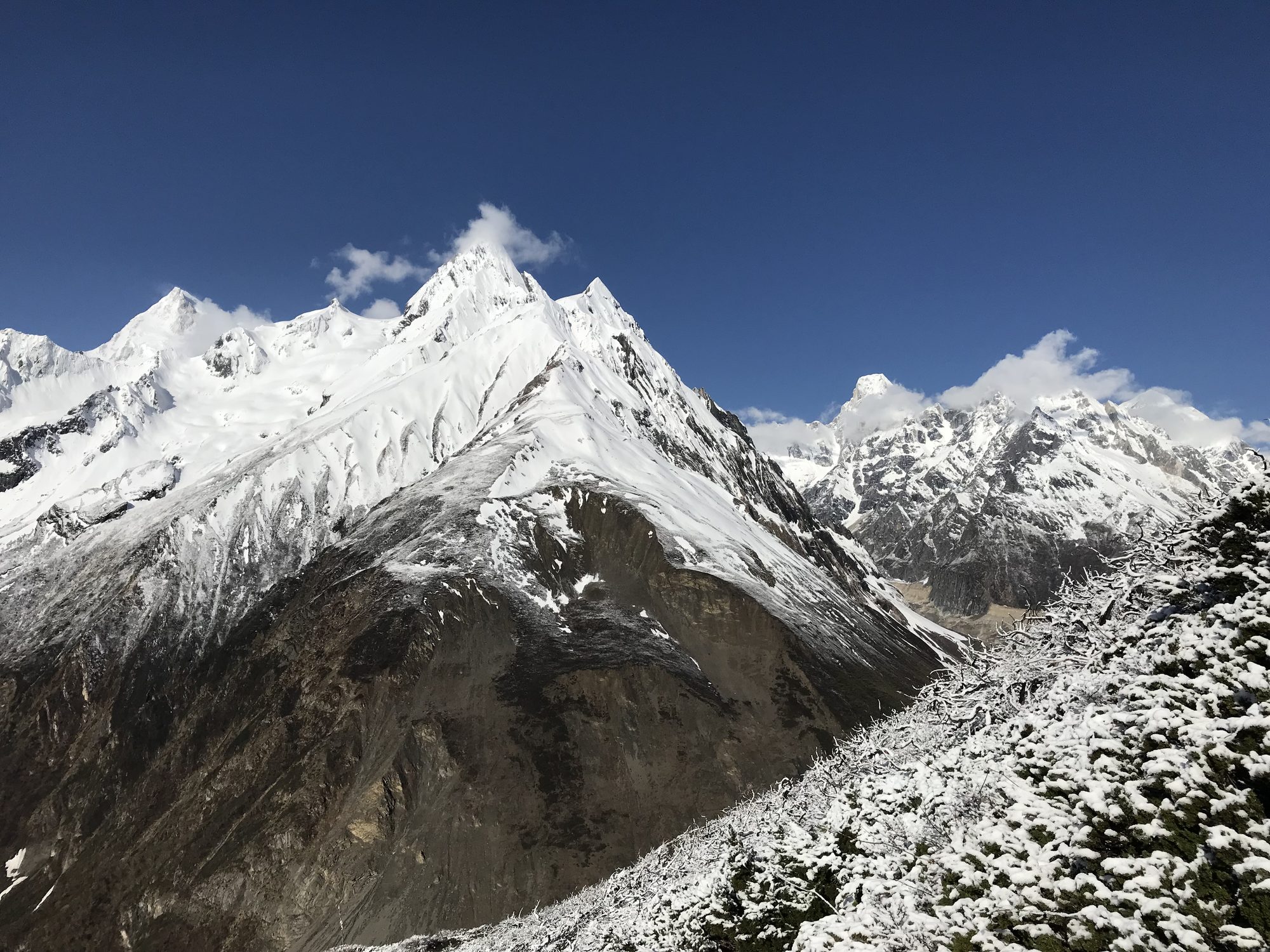
The weather has been less obliging. On 22 September the Himalayan Times reported that the Manaslu season had been closed after two weeks of continuous rain and snow; residents of Samagaun, the village below the mountain, described about three feet of snow at base camp and said they had not seen such conditions before. Teams on Dhaulagiri retreated to base camp after reaching only Camp II. The royalties are paid in advance, so the state's revenue is secure. The outfitters, porters and lodges whose income depends on climbers staying for weeks are less fortunate.
Hotels: most rebuilt, the flagship is not
Of the roughly two dozen hotels damaged during the protests, most have reopened, according to Online Khabar. The Hotel Association of Nepal put the industry's losses at about Rs 25bn, with more than 2,000 jobs directly affected. Crowne Plaza in Kathmandu and hotels in Pokhara, Jhapa and Butwal are operating again. The Hyatt Regency, a museum hotel and the Hilton, which opened only a year before it was burned, are still being rebuilt. A source at the Hilton told the site that civil construction was complete but that the remaining work would take one to one and a half years, slowed by delays in insurance payments.
That last point links tourism to a wider story about how slowly the country has paid for the uprising, which we examine in our report on the business cost one year on. For now, the autumn's numbers say that visitors are coming back. Whether Kathmandu's premium hotel capacity is ready for them is another matter.
How this story was made: researched and written by The Standard’s desk with AI assistance, from the published reporting and official data credited below, and checked against those sources. Our standards.
The long view The Gen Z uprising and business