One year after the uprising, insurers have paid less than two-fifths of claims
The September 2025 protests cost the private sector Rs 33.5bn (about $216m) by official count. Businesses are still waiting for most of the money.
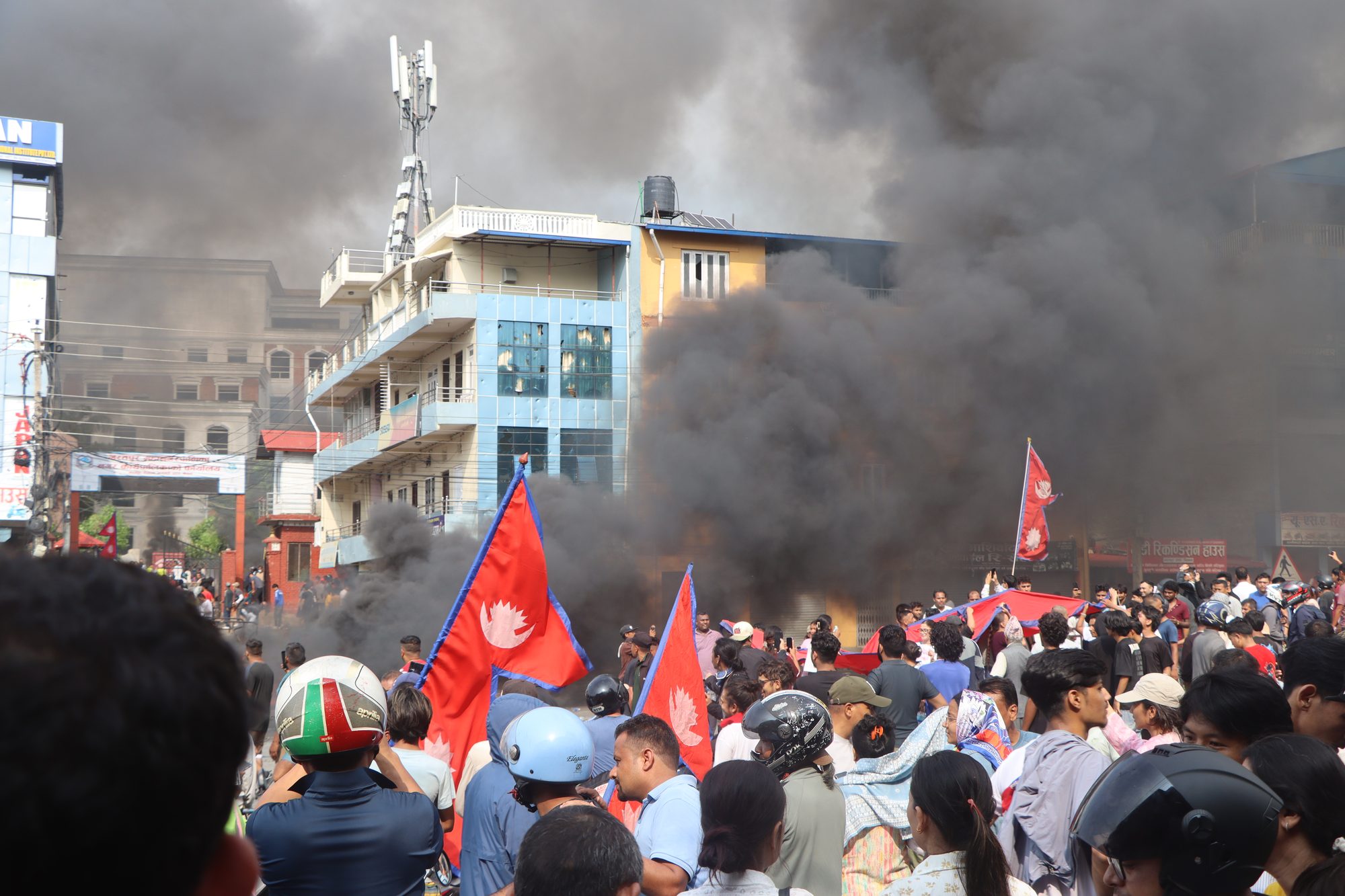
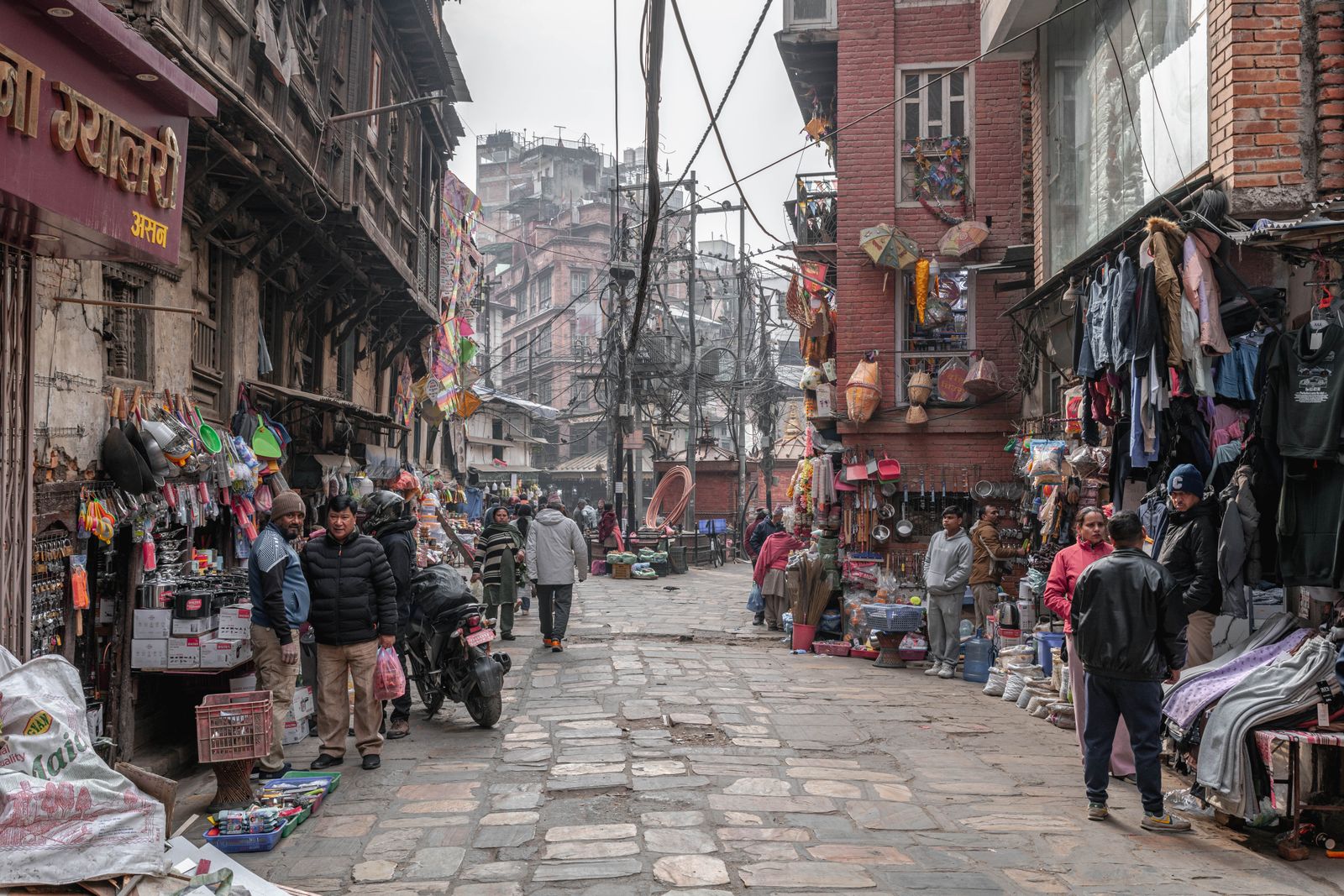
The two days of unrest that brought down a government in September 2025 lasted a little over 48 hours. Settling the bill is taking much longer. A year on, the businesses whose shops, hotels and offices were looted or burned have received only a minority of what their insurers owe them, and the largest single casualty of the violence, the Hilton in Kathmandu, is still a building site.
Counting the damage
The government's own assessment, presented to Prime Minister Sushila Karki in December 2025 by a committee led by Rabi Lal Pantha of the National Planning Commission, put the total economic loss at Rs 84.5bn, or about $545m. The report documented damage to 2,168 organisations and institutions in all seven provinces and to 2,671 buildings, with building damage alone valued at Rs 39.3bn. Reconstruction was estimated to cost Rs 36.3bn.
The private sector bore Rs 33.54bn of the loss, about 40% of the total. Hotels were hit hardest. The Hotel Association of Nepal put the industry's losses at about Rs 25bn, of which the Hilton accounted for around Rs 8bn. Our earlier reporting covered how Bhat-Bhateni rebuilt its stores and the aftermath for Binod Chaudhary's businesses. Seventy-seven people died and more than 2,000 were injured.
A record for insurers
For Nepal's non-life insurers, the protests were the largest single loss event in their history. By 16 September 2025, a week after the violence, they had received 1,984 claims worth Rs 20.7bn, according to Beema Post, already more than the Rs 16.5bn claimed after the 2015 earthquake. By October the total had passed Rs 23.2bn, with Oriental Insurance, Siddhartha Premier Insurance and Shikhar Insurance facing the largest exposures.
The Nepal Insurance Authority's latest figures, reported by Online Khabar on the anniversary, show 3,390 parties claiming Rs 23.19bn. By 6 July 2026, insurers had paid Rs 8.82bn, or 38%. Some moved quickly at first: Siddhartha Premier Insurance said it paid Rs 1.25bn within 23 working days, according to Beema Post. The large commercial claims, which require loss adjusters to value gutted buildings and destroyed stock, have moved far more slowly.
Why the delay matters
The cost of slow settlement is felt most where businesses cannot rebuild without the money. The Hilton's case is instructive. A hotel source told Online Khabar that structural work was complete but that finishing would take another year to eighteen months, with progress held back by the wait for insurance payments. More than 2,000 hotel jobs were directly affected by the damage across the industry, according to the hotel association.
Smaller businesses face a sharper version of the same problem. A shopkeeper whose premises were burned must either borrow to rebuild, at a time when banks are cautious about new lending, or wait. Our report on why banks are flush but nobody is borrowing describes the wider credit picture.
The wider bill
The protests have also left costs that do not appear in claims data. Business associations, including the Federation of Nepalese Chambers of Commerce and Industry, called after the violence for stronger protection of private property and the rule of law, arguing that attacks on firms undermine the private sector's ability to sustain jobs. The question of who should compensate uninsured losses remains unresolved.
What to watch
Two things will determine how the account is finally settled. The first is whether insurers clear the remaining Rs 14bn or so of claims before the second anniversary. The second is whether the government acts on calls to compensate uninsured victims, which would require money from a budget that is already stretched.
A year after the uprising, Nepal's economy has largely moved on. For the owners of the buildings that burned, the accounting is far from over.
How this story was made: researched and written by The Standard’s desk with AI assistance, from the published reporting and official data credited below, and checked against those sources. Our standards.
The long view The Gen Z uprising and business