Nepal's Rs 1.78trn trade gap and the narrow road to China
Nepal buys more than six rupees of goods for every one it sells. The August flood has shown how fragile its alternative to India is.
Nepal's trade figures for FY 2025/26, which ended in mid-July, contain a record and a warning. Exports grew 13.8% to Rs 315.29bn (about $2bn). Imports grew faster, by 16.2%, to Rs 2.096trn (about $13.5bn). The trade deficit widened to Rs 1.78trn, roughly $11.5bn, according to Department of Customs data compiled by Nepal News. For every rupee of goods Nepal sold abroad, it bought about Rs 6.65.
One big neighbour
India dominates both sides of the ledger. It supplied Rs 1.21trn of Nepal's imports, about 58%, and bought Rs 258.65bn of its exports, about 82%. China was the second-largest supplier at Rs 425.24bn, about a fifth of imports, but buys almost nothing from Nepal. Together the two neighbours account for 78% of everything Nepal imports.
The composition of trade shows how little of it is homegrown. The largest import was diesel, at Rs 172.43bn, followed by crude soybean oil at Rs 132.77bn, petrol at Rs 77.26bn and cooking gas at Rs 60.28bn. The largest export was processed soybean oil, at Rs 128.74bn, or 41% of the total. Nepal imports crude soybean oil, much of it from Argentina, now its third-largest supplier, refines it and sells it to India under preferential tariffs. It is a real business, but one that rests on a tariff gap India could close.
The deficit is financed not by exports but by the money Nepalis send home from abroad, a dependence explored here.
The northern route breaks
China was supposed to be the counterweight. In practice the northern trade runs through a few high mountain crossings, and this year all of them failed at once.
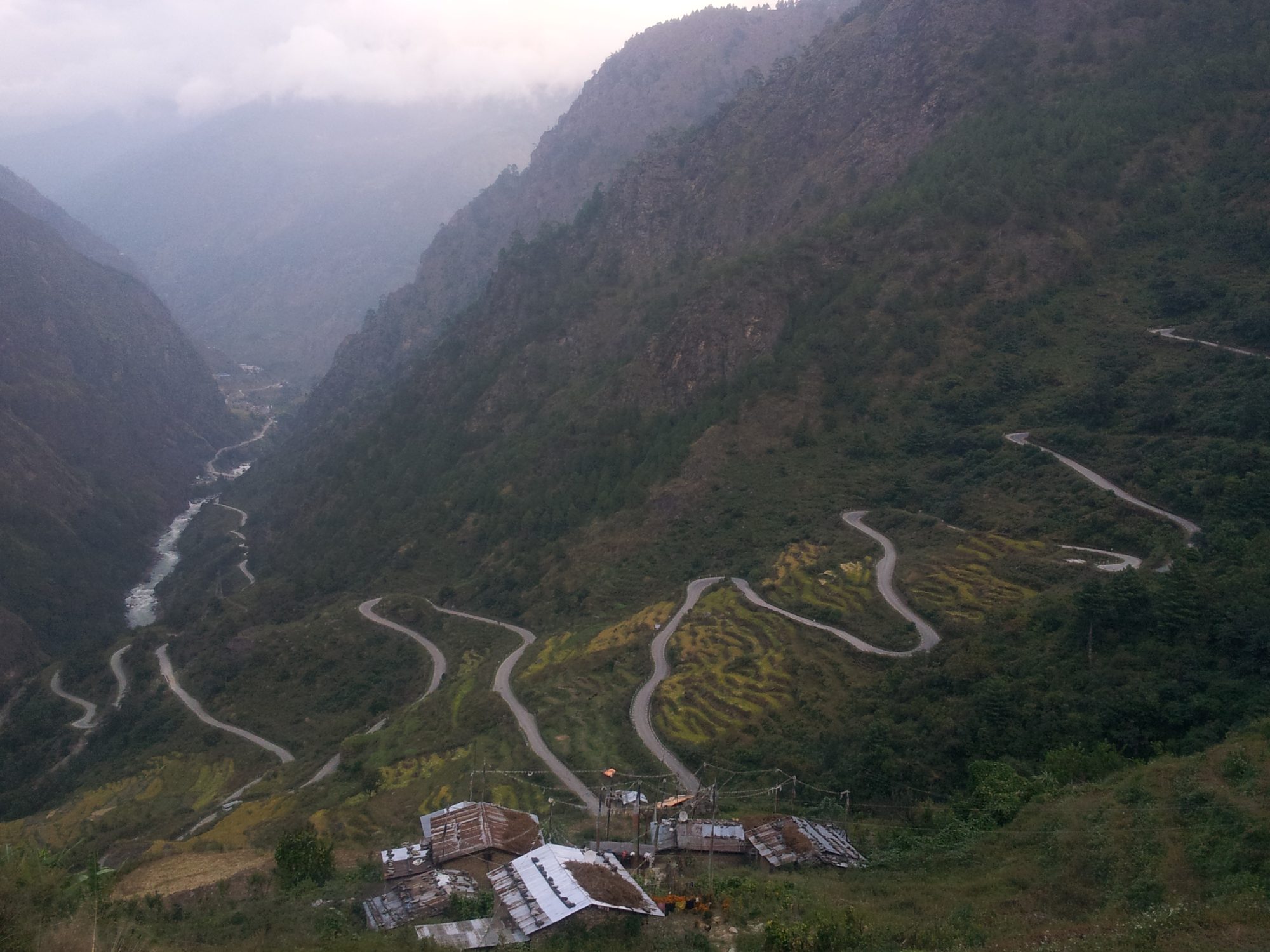
The flood on the Bhotekoshi on 26 August destroyed the Rasuwagadhi-Kerung crossing, the only one that operates in all weathers. Days later China closed Tatopani, citing landslide risk on the Nepali side. That left Korala in Mustang, a pass at 4,650 metres that opened for international trade only in September 2025.
The numbers show what was lost. Last fiscal year Nepal imported Rs 45.73bn of goods through Rasuwa and Rs 47.48bn through Tatopani, against Rs 14.4bn through Mustang. Korala's customs office had 12 officials and limited yard space. Its chief, Bidur Chudal, told the Kathmandu Post at the start of September that the post lacked basic infrastructure and staff.
Then the road south of Korala failed too. Monsoon landslides cut the Beni-Jomsom highway in late September, and about 200 containers were left parked at Korala with clearance halted. Freight costs have soared: Nepal News reported on 8 October that the price of moving a container had risen from about Rs 75,000 to Rs 500,000, with about 200 trucks of festival goods still held up along the highway. Vehicle importers said they could not deliver cars booked for Dashain.
Talks without a timetable
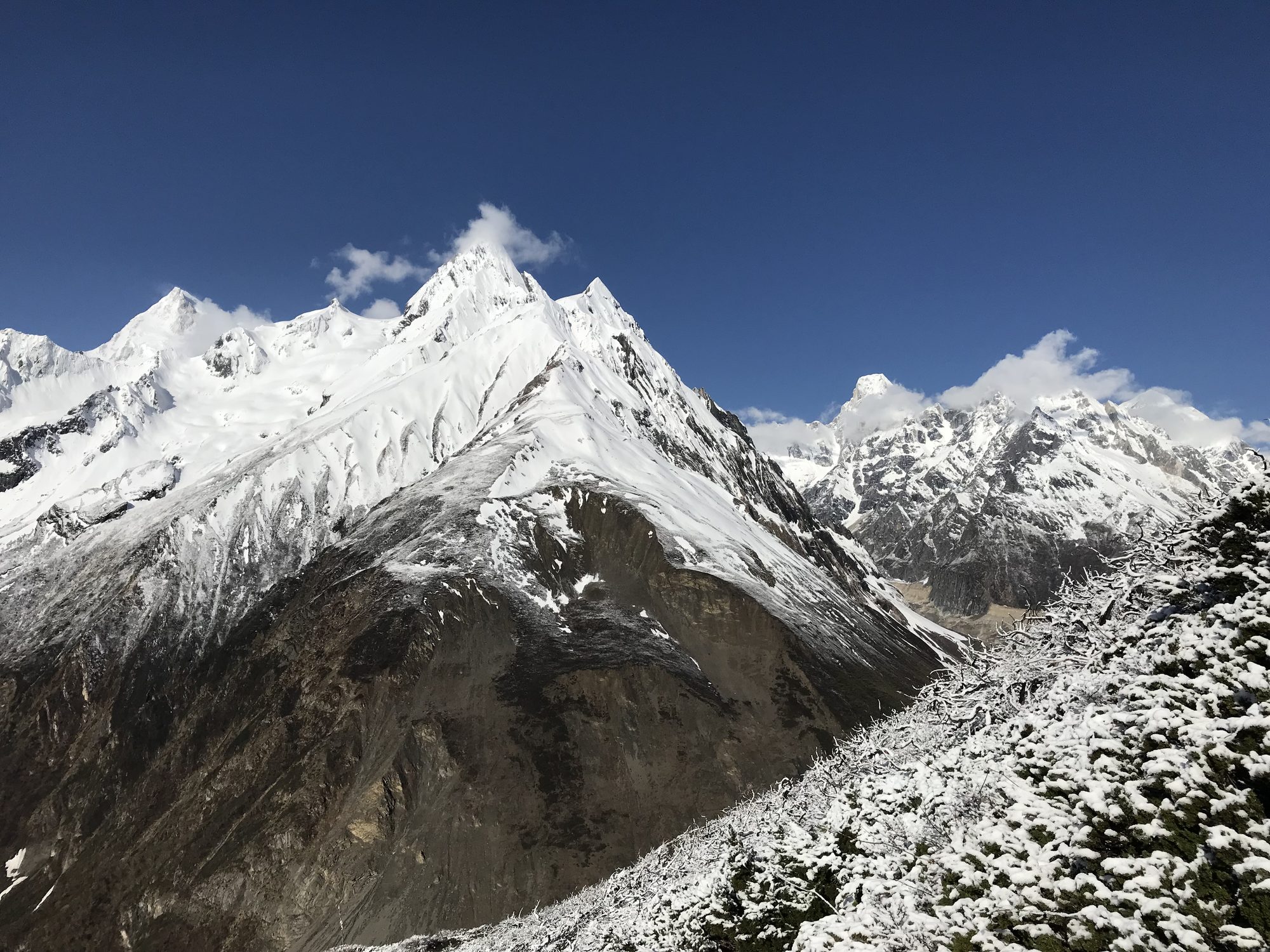
Nepal wants Tatopani reopened. China has proposed upgrading Korala instead. Nepal's consul general in Lhasa, Laxmi Niraula, told the Kathmandu Post that Korala is blocked by snow for three to four months a year. A former negotiator, Rabi Saiju, said transport costs on that route are almost double those through Tatopani and Kerung. Importers have been rerouting Chinese goods by sea through Indian ports, at greater cost and delay.
The episode exposes a structural problem. Nepal's trade policy has long aimed to diversify away from India. Yet its northern links depend on a handful of roads through some of the most unstable terrain on earth. Until at least one all-weather crossing is rebuilt and properly staffed, China will remain a supplier Nepal can reach only when the mountains allow.
How this story was made: researched and written by The Standard’s desk with AI assistance, from the published reporting and official data credited below, and checked against those sources. Our standards.
The long view Nepal's LDC graduation