Nepal's Rs 2.12 trillion budget explained: the spending record it must beat, and a flood it did not plan for
Nepal's largest budget bets on tax reform and 7% growth, but the state spent less than half its capital allocation last year, and a Rs 559bn flood reconstruction plan now sits on top.
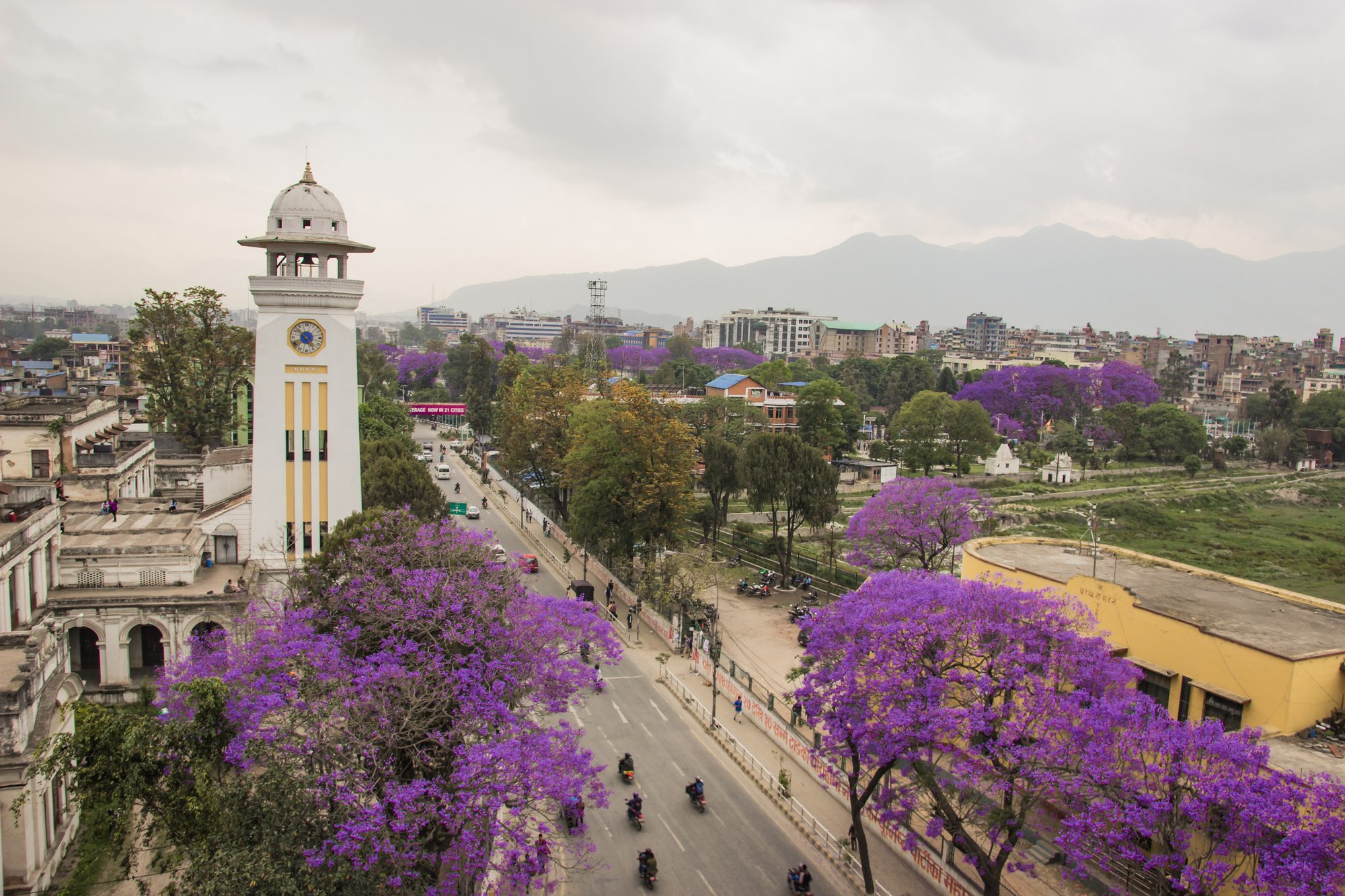
Nepal's government plans to spend Rs 2,124.34bn, about $13.7bn, in the fiscal year that began in mid-July, according to the budget Finance Minister Swarnim Wagle presented to parliament on 29 May, as reported by The Annapurna Express. Online Khabar called it the country's biggest budget. The Annapurna Express put it 8.15% above the previous year's budget and about 25% above the government's revised estimate of what it actually spent that year.
Nepal's fiscal year runs from mid-July to mid-July, and at home this one is known as 2083/84 in the Bikram Sambat calendar. The budget's headline ambition is growth of 7%, The Annapurna Express reported, against 3.85% in the year just ended. Since it was written, the Rasuwa flood has damaged hydropower plants, power lines and roads, and the World Bank has cut its forecast for this year's growth to 3.7%, Sharesansar reported on 6 October. The budget now has two jobs: the one it was written for, and a reconstruction it did not foresee.
What the money is for
The budget divides spending into three parts, according to The Annapurna Express. Recurrent spending, which covers salaries, pensions, subsidies and grants to other tiers of government, takes Rs 1.27 trillion ($8.2bn), or 59.8%. Capital spending, the money for roads, power lines, irrigation and public buildings, is Rs 431.1bn ($2.8bn), or 20.3%. A third category, which the finance ministry calls financial management and which is chiefly debt repayment, takes Rs 422.64bn, or 19.9%.
- Recurrent: salaries, pensions, grantsRs 1,270bn60%
- Capital: roads, power, irrigationRs 431.1bn20%
- Financial management, chiefly debt repaymentRs 422.6bn20%
Source: Ministry of Finance budget, via The Annapurna Express
Much of the money flows down to Nepal's provinces and local governments. The Annapurna Express listed equalisation grants of Rs 61.5bn for provinces and Rs 90.2bn for local governments, conditional grants of Rs 49.72bn and Rs 206.8bn respectively, and Rs 175bn in shared revenue. How the provinces are using their share is covered in our report on provincial budgets.
The budget's most distinctive feature is tax and regulatory change rather than new programmes. Online Khabar reported that the income tax exemption threshold for individuals is set at Rs 1m, excise duty is abolished on 360 items, the customs schedule shrinks from 11 tiers to seven, and duty on 273 categories of industrial raw material is set at least one level below that on finished goods. Charges collected at border points are merged into a single green tax, and VAT refunds are to be fully automated. The Annapurna Express reported a 50% tax exemption on export earnings from information technology services, full exemption for sweat equity, a planned sovereign AI computing centre in Kathmandu, a digital approvals platform called Investment Express, a target of 1,040 megawatts of new generating capacity this year, and a goal of 1.5 million jobs over five years.
Two revenue measures met resistance. A 3% equity fee on private schools, colleges and hospitals was dropped on 21 July, when Prime Minister Balendra Shah said it would add costs for ordinary people, Online Khabar reported (see our report on the withdrawn levy). VAT on electricity stayed: households pay 5% on consumption above 50 units a month and industrial and commercial users 13%, Republica reported. On 28 September the Federation of Nepalese Chambers of Commerce and Industry, the main business lobby, asked for the tax to be removed, and Republica reported that the energy minister had begun talks with the finance minister about doing so (see our report on the electricity VAT row).
Where the money comes from
The budget put revenue at about Rs 1.4 trillion and foreign grants at Rs 61.74bn, according to The Annapurna Express. Economic Affair, reporting data from the Financial Comptroller General Office, the treasury's accounting arm, measured collections in the first two months against a higher target of Rs 1.58 trillion. The two figures have not been publicly reconciled, and the difference is about $1.2bn. By mid-September the government had collected Rs 183.20bn, 11.59% of the Rs 1.58 trillion target, by Economic Affair's account (see our report on early revenue).
The shortfall between spending and income, Rs 657.29bn ($4.2bn), is to be borrowed: Rs 247.28bn from foreign lenders and Rs 410bn at home, The Annapurna Express reported.
The habit of leaving money unspent
Nepali budgets are limited less by what they allocate than by what the state manages to spend. In the year to mid-July 2026 the government spent Rs 190.84bn of a Rs 407.88bn capital budget, or 46.79%, according to finance ministry figures reported by The Rising Nepal, the state-owned daily. That fell short even of a revised estimate of Rs 243.30bn. The year before, it spent 63.2% of Rs 352.35bn. The ministry blamed weak project preparation, slow land acquisition and forest clearance, and damage to infrastructure during the Gen Z protest movement. Overall spending reached 80.55% of the Rs 1,964.11bn budget, and revenue 83.87% of its target, The Rising Nepal reported.
Capital spending in Nepal is heavily back-loaded. In the first two months of this year, to mid-September, the government spent Rs 7.66bn on capital projects, 1.78% of the annual allocation, according to Financial Comptroller General Office data reported by Economic Affair. Over the same period it spent 9.6% of its recurrent budget and 16.59% of its debt-service allocation.
Source: Ministry of Finance via The Rising Nepal; Financial Comptroller General Office via Economic Affair
The capital share of the budget has also edged down: last year's Rs 407.88bn was 20.8% of a Rs 1,964.11bn budget, on The Rising Nepal's figures, against 20.3% this year. Manoj Paudel of Aadhyanta Fund Management told Online Khabar that a 7% growth target sat uneasily with lower capital spending and weak absorption. Chiranjibi Nepal, a former governor of Nepal Rastra Bank, the central bank, warned in the same report that spending commitments appeared to exceed recommended ceilings and could pressure imports. Yubaraj Khatiwada, a former finance minister, said taxes that could stimulate production remained "largely untouched".
The flood, and what to watch
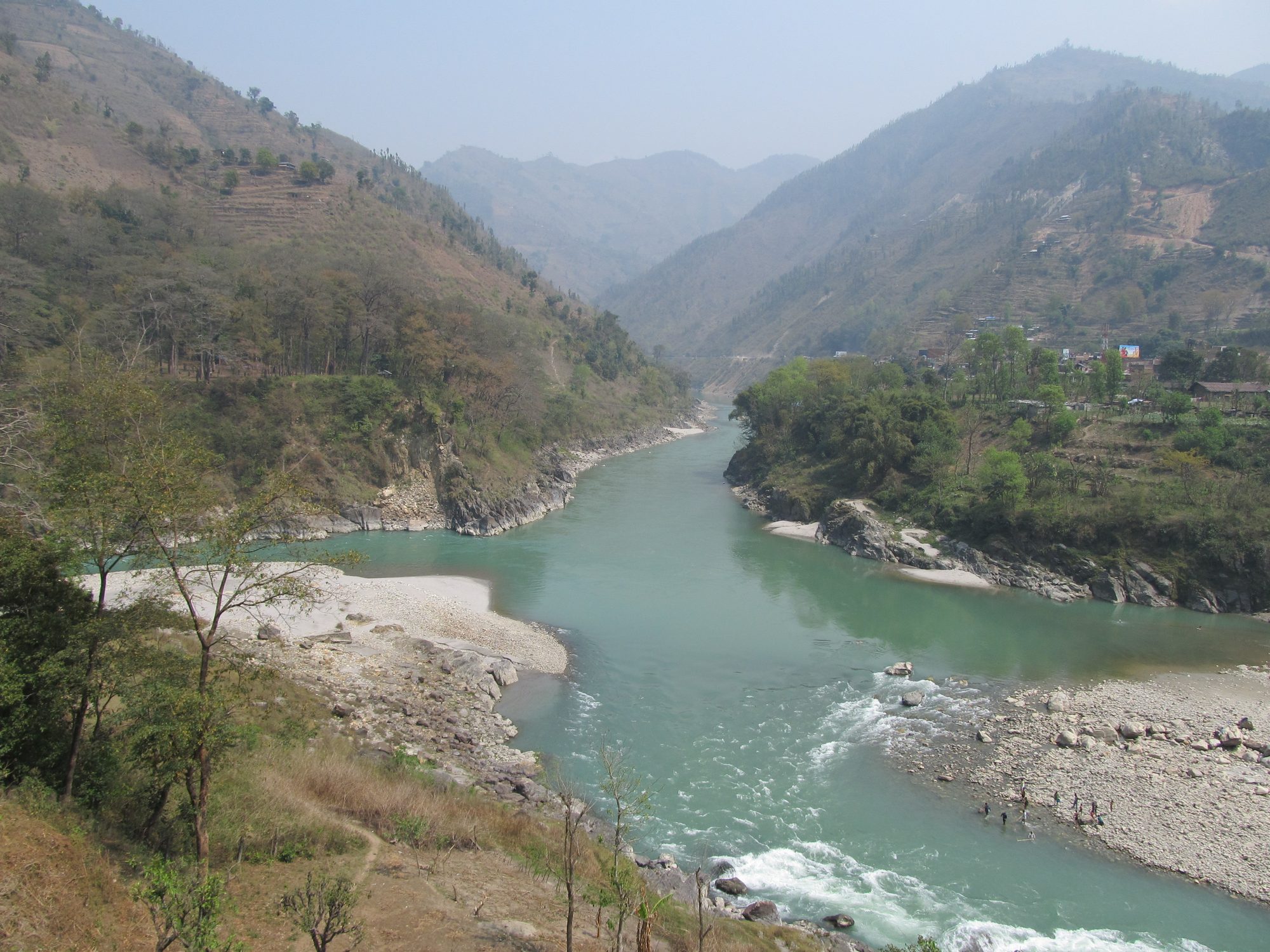
The flood on the Bhotekoshi and Trishuli rivers has turned into the year's largest unplanned cost. On 5 October the National Council for Disaster Risk Reduction and Management, chaired by the prime minister, recommended that the finance ministry fund 504 reconstruction plans costing Rs 559.17bn ($3.6bn), the Post reported, with funds to be arranged under the 2020 fiscal responsibility regulations. That sum is larger than the entire capital budget. The Post's report did not say how much would come from moving money within the budget and how much from new borrowing. The World Bank's October update, reported by Sharesansar, expects damage to hydropower, transmission and transport to weigh hardest on industry (see our report on the growth forecasts).
For households, the practical changes are the Rs 1m income tax threshold and VAT on electricity use above 50 units a month, which business is lobbying to remove. For importers and manufacturers, the main changes are the excise cuts, the narrower customs schedule and cheaper duty on raw materials. For lenders and bond investors, the numbers to follow are the Rs 657.29bn borrowing plan and whatever reconstruction adds to it.
Three things will show whether this budget is different. The first is the treasury's capital spending figure for the first quarter, which ends in mid-October. The second is how the Rs 559.17bn reconstruction programme is paid for, and whether it is added to the capital budget or carved out of it. The third is whether revenue keeps pace with whichever target the government holds itself to. The tax reforms are easy to judge, since they are either applied or not. Spending is where Nepali budgets have fallen short, and the flood has raised the amount this one must spend.
How this story was made: researched and written by The Standard’s desk with AI assistance, from the published reporting and official data credited below, and checked against those sources. Our standards.
The long view Nepal's hydropower, from load-shedding to exports
The long view Nepal's LDC graduation