Remittance money meets inflation as Nepal shops for Dashain
Record transfers from abroad should make this the biggest festival season yet. Prices, a closed China border and nervous shoppers are getting in the way.
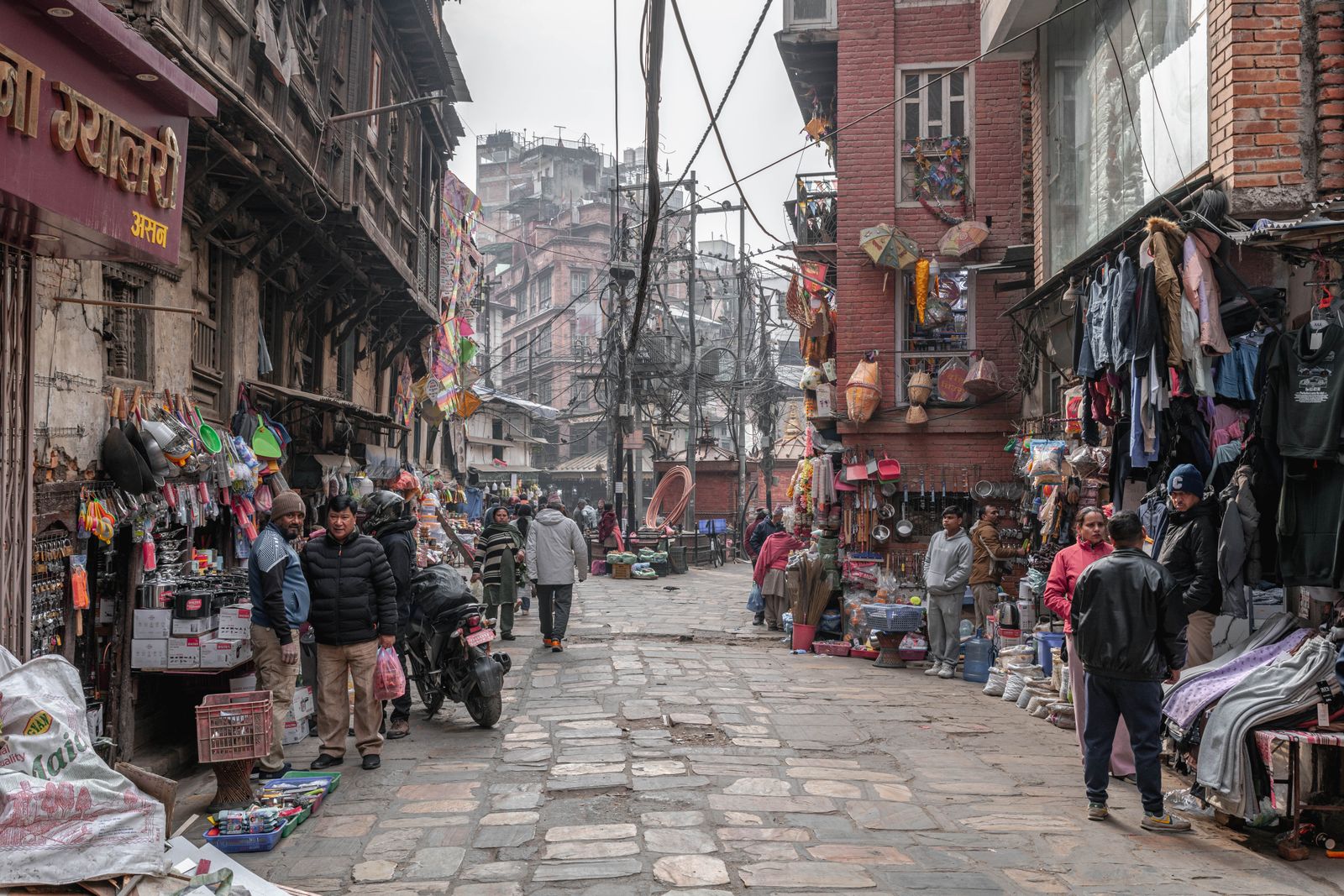
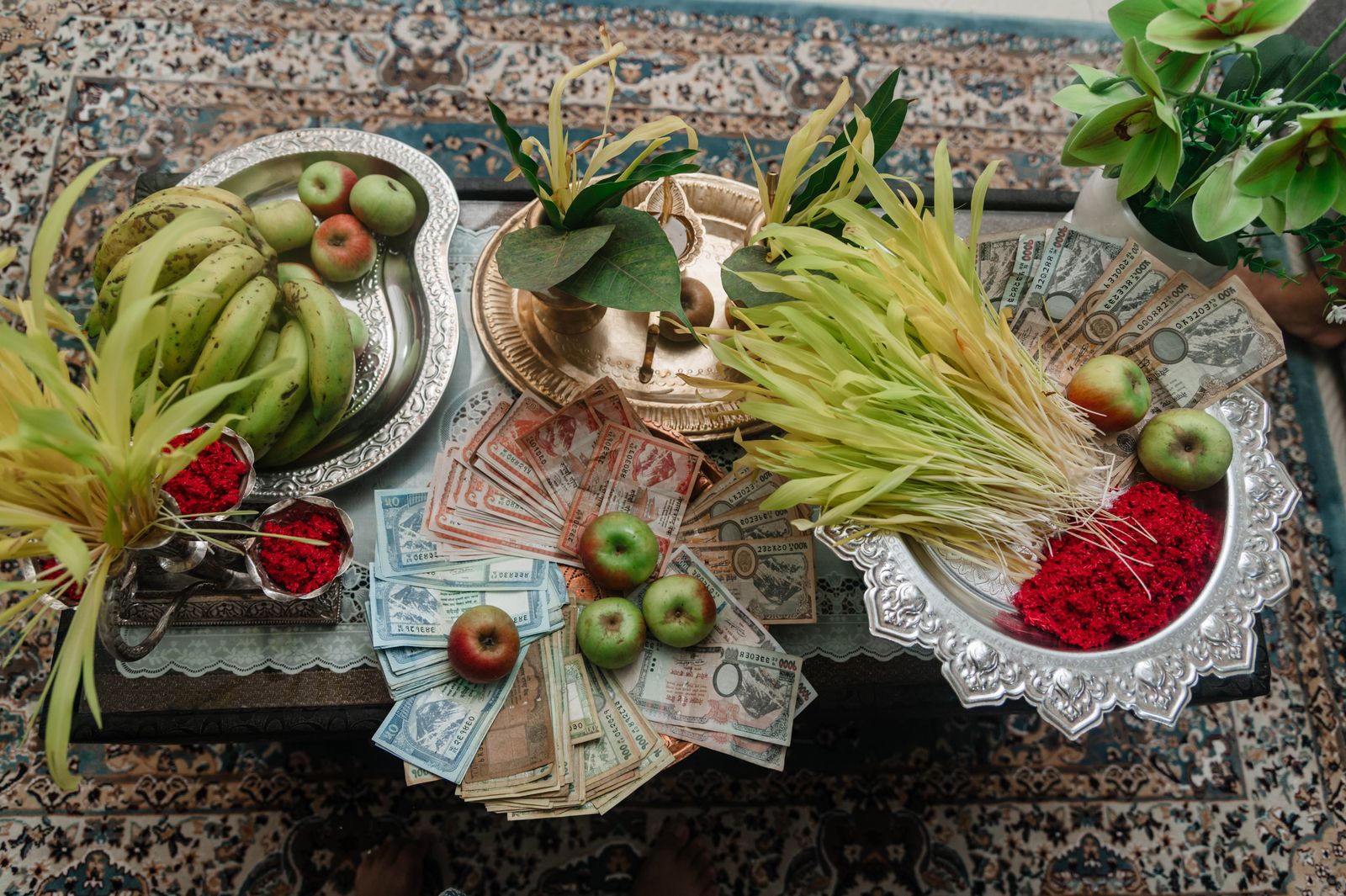
Dashain is the one fortnight when almost every Nepali household spends at once. New clothes, goats, gifts, bus tickets home and cash for the tika ceremony all land in the same weeks. Industry estimates commonly put national festival spending at around Rs 200bn, roughly $1.3bn, and much of that money is sent from abroad.
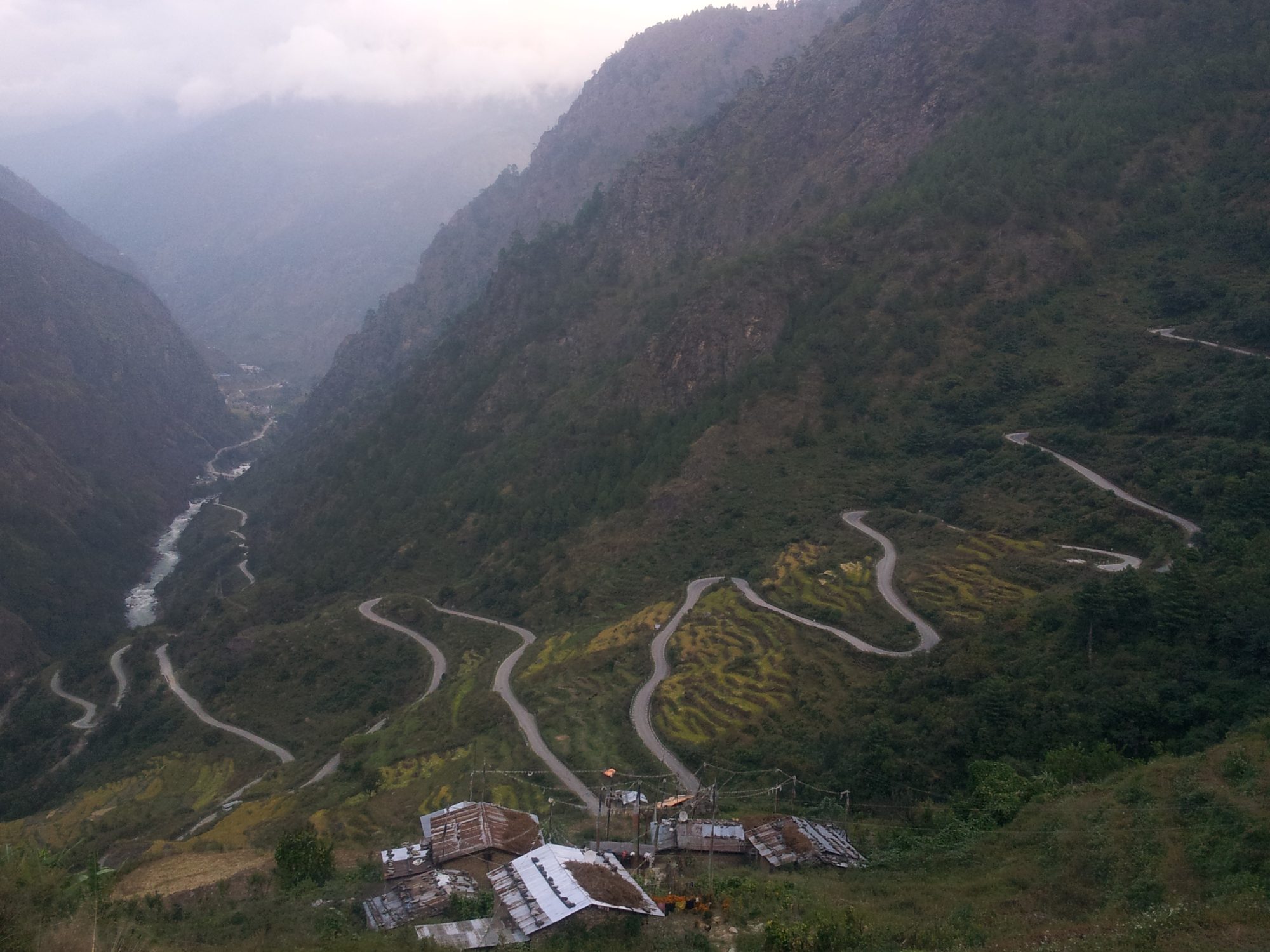
On paper this should be a record season. Migrant workers sent home Rs 2.36 trillion in the 2025/26 fiscal year, a 37.1% jump and more than the government's entire budget. In the hill districts the effect is easy to see. The Kathmandu Post reports that Dhankuta's weekly markets were packed with festival shoppers in the week before Dashain, and farmers are selling livestock for cash.
The squeeze
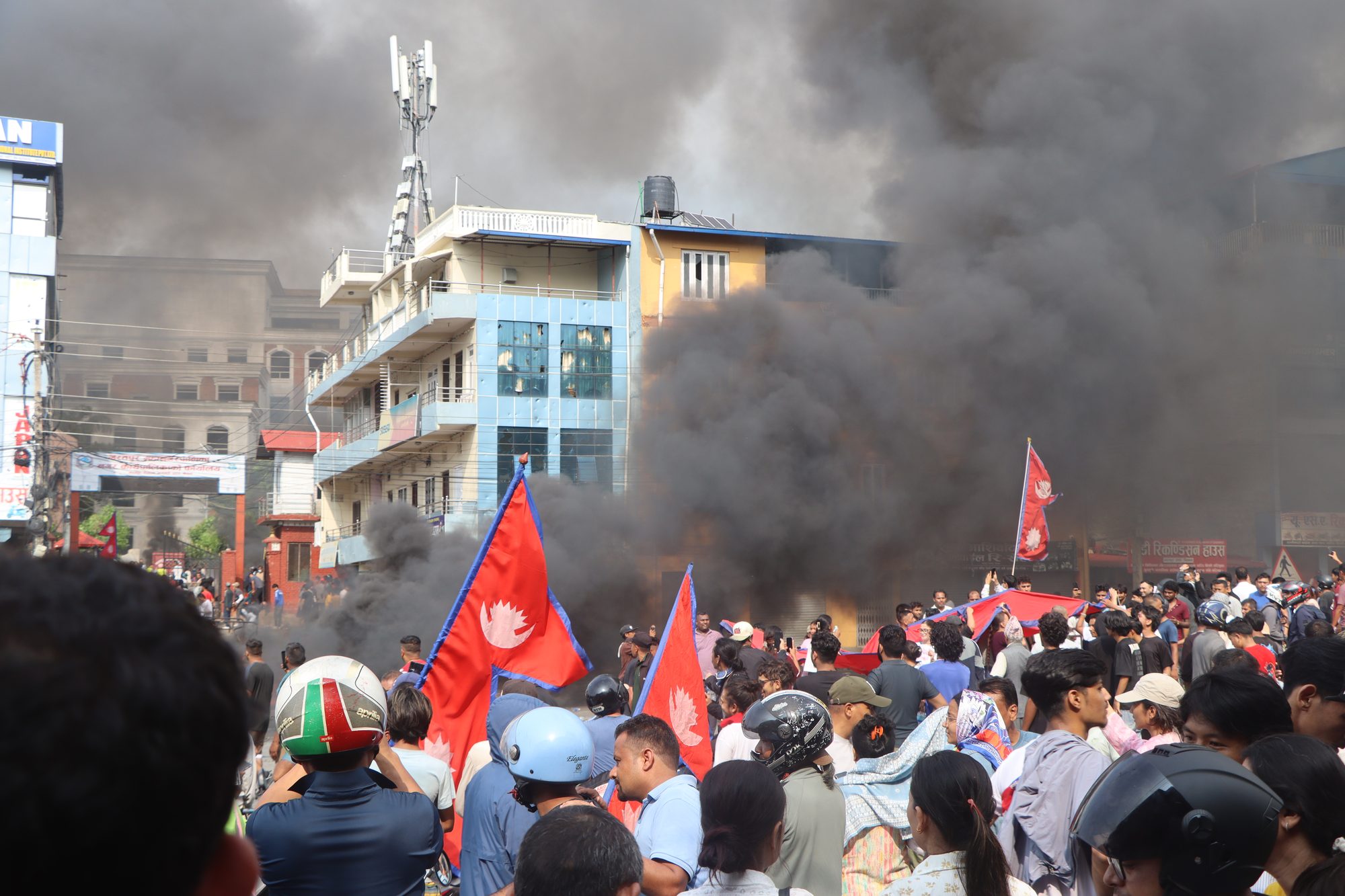
Shopkeepers in the cities tell a less cheerful story. Food grains, cooking oil, clothes and bus fares have all become more expensive. Consumer inflation reached 5.96% in mid-August, against 1.68% a year earlier, according to central bank data reported by ShareSansar. Petrol and diesel cost Rs 200 a litre in Kathmandu, where Nepal Oil Corporation has held prices since 1 October, ShareSansar reported. Ratopati reports that many small traders who count on Dashain to cover a year's overheads say crowds are thinner than they hoped and that customers are buying essentials only.
Supply is the other problem. The August flood on the Bhotekoshi shut the Rasuwagadhi crossing, and with Tatopani closed too, Chinese goods are coming in through Korala in Mustang. Traders say freight on that route has risen from about Rs 75,000 to Rs 500,000 a container, and goods worth billions of rupees are stuck at checkpoints ahead of the festival.
Selling on TikTok
Retailers have answered with discounts and a new sales channel. Brands such as Aavya Craft and Apparels, Sonam Gear and Goldstar are running festival offers of 15% to 70% across TikTok, Facebook and Instagram, the Kathmandu Post reports. Staff say customers now walk in holding screenshots of a post, or place orders by message before they ever visit a store.
The state steps in
The government has tried to keep the season moving. After talks led by Prime Minister Balendra Shah, domestic airlines agreed to sell festival tickets below approved fares. Nepal Oil Corporation has arranged for LPG cylinders to be swapped across brands at no extra charge in the Kathmandu Valley, at 15 to 20 joint counters. The labour department has reminded employers that the Labour Act requires a festival allowance of one month's basic pay.
What to watch
The real measure of this Dashain will come in the weeks after it ends. Banks will report deposit and credit figures, and the central bank will publish import data. If remittance money mostly flows into imported goods and back out of the country, the season will have lifted spirits more than the economy.
How this story was made: researched and written by The Standard’s desk with AI assistance, from the published reporting and official data credited below, and checked against those sources. Our standards.
The long view Nepal's remittance economy
The long view Nepal's LDC graduation