Prabhu Group's Devi Prakash Bhattachan: from remittances to a bank, and a fraud case still before the court
The chairman who built a money-transfer business into a commercial bank and a life insurer faces a fraud case over unpaid remittance agents, which he denies. Nearly a year after it was filed, no verdict has been reported.
When prosecutors finally took the Prabhu remittance dispute to court, they charged the complainant too, Kantipur reported. Kusum Lama, chair of Prabhu Management, had accused Devi Prakash Bhattachan, chairman of the Prabhu Group, and others of defrauding Rs 980m (about $6.3m), The Kathmandu Post reported. When the District Attorney's Office in Kathmandu filed its case at Kathmandu District Court on 1 December 2025, it named both Bhattachan and Lama as defendants, Kantipur reported. A charge is not a finding of guilt, and Bhattachan has denied the allegations, Aarthik News reported.
The case matters beyond the two former partners. Nepal received Rs 2,363bn in remittances in the 2025/26 fiscal year, equal to about $16.2bn and up 37.1% on the year before, B360 reported, citing Nepal Rastra Bank, the central bank. (For the scale of these flows, see how remittances outran the budget.) The Prabhu dispute is about what happens at the last step of that journey, when a remittance company hands the job of paying out cash to small local institutions, and who is left holding the loss if those institutions are not repaid.
A bank assembled from seven lenders
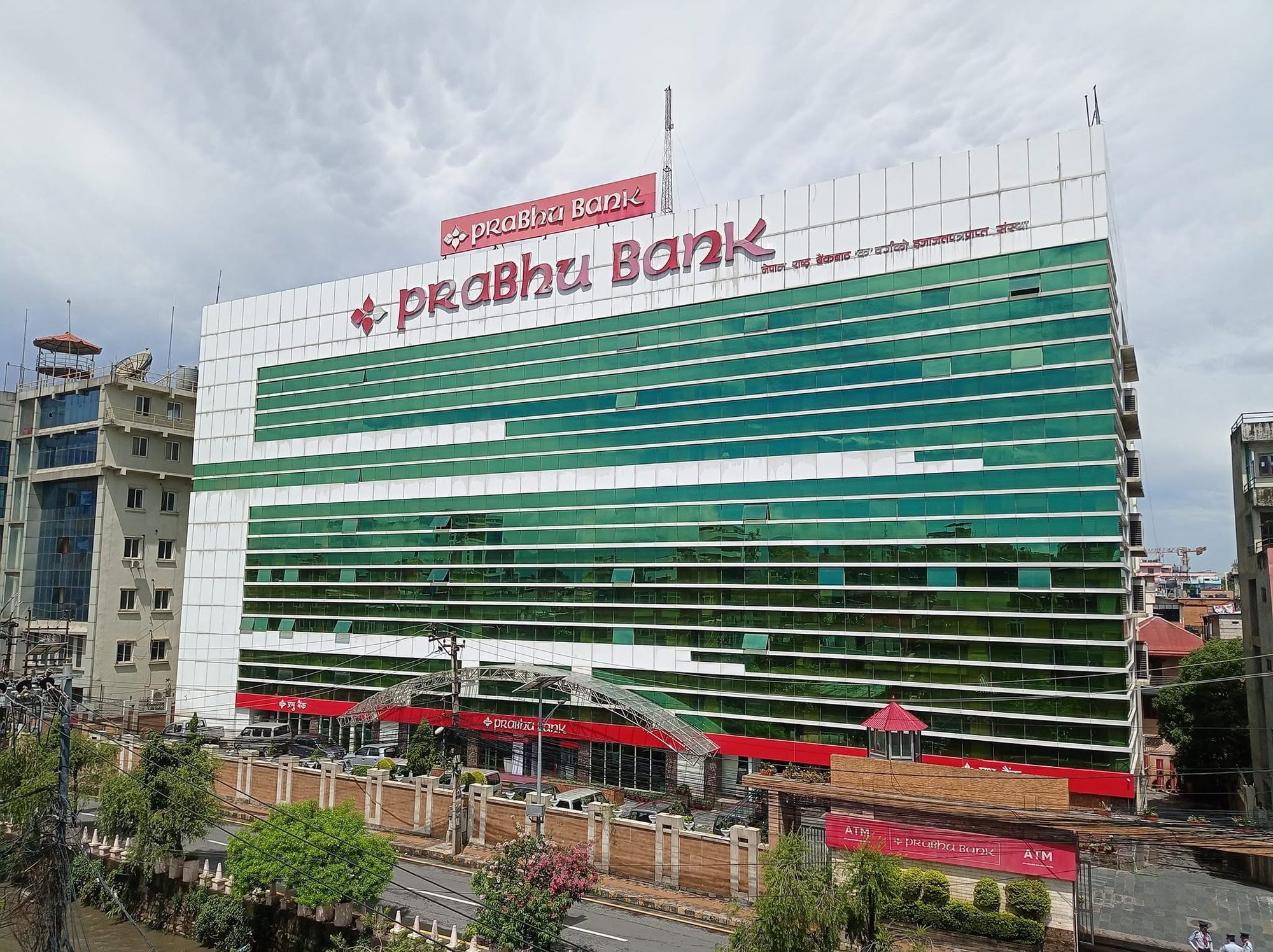
Bhattachan, rendered in some reports as Devi Prasad Bhattachan, is best known for the bank that carries the Prabhu name. Prabhu Bank began operating as a commercial bank on 16 September 2014, after a merger of Kist Bank, Prabhu Bikas Bank, Gaurishankar Development Bank and Zenith Finance, The Kathmandu Post reported at the time. The merged bank started with paid-up capital of Rs 3.2bn, 112 branches, 108 cash machines, 1,135 staff and Rs 32.39bn in deposits, with Bhattachan as chairman, the Post reported. He told the paper the bank would focus on expanding its investment in large projects.
Growth since then has come largely through consolidation. The bank's own profile says it has absorbed seven financial institutions in all, including Grand Bank Nepal in 2016 and Century Commercial Bank in 2023, and that it now runs 300 branches, 66 extension counters and 265 cash machines for more than 3.8m customers. Its listed services are the standard ones for a Nepali commercial bank: deposits, loans, foreign exchange, trade finance, guarantees and letters of credit, and remittance. Its history of absorbing weaker lenders is part of a wider consolidation of Nepali banking (see Nepal's bank merger wave).
The group also reached into insurance. Prabhu Life Insurance merged with Mahalaxmi Life Insurance at a share swap of one for one, and the combined Prabhu Mahalaxmi Life Insurance began joint operations on 14 July 2023 with paid-up capital of about Rs 4.3bn ($28m), ShareSansar reported. The merger received final approval from the Nepal Insurance Authority, the sector's regulator, and the Office of the Registrar of Companies, according to ShareSansar. The merger came as the life insurance industry was growing in scale (see life insurance premiums pass Rs 200bn).
Political standing followed. Bhattachan is a former member of parliament for the CPN-UML, one of Nepal's main parties, The Rising Nepal reported.
How the payout chain worked
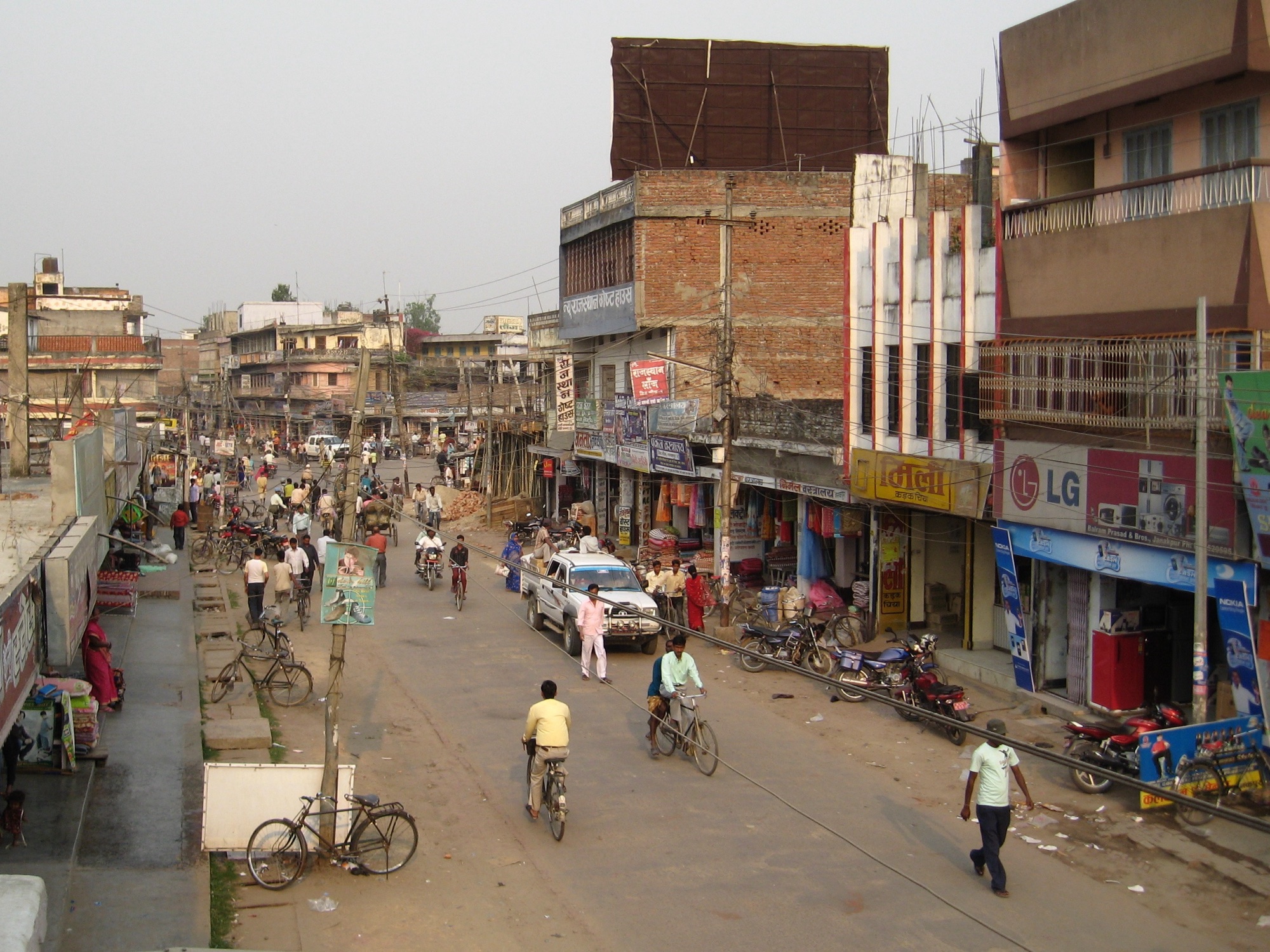
The dispute concerns the remittance side of the group, and in particular a layer that sat between the licensed money-transfer company and the people collecting cash. Prabhu Money Transfer, which holds a licence from Nepal Rastra Bank, appointed Prabhu Management as a super-agent, The Rising Nepal reported, citing the Central Investigation Bureau, the police unit that handles serious financial crime. Prabhu Management in turn signed up savings and credit cooperatives around the country as sub-agents to pay out remittances in towns and villages, Aarthik News reported.
Cooperatives in Nepal are member-owned savings and lending societies. Under the arrangement described by Aarthik News, the cooperatives processed remittance payments to recipients and also lodged security deposits with Prabhu Management, typically between Rs 100,000 and Rs 500,000 each, expecting both to be settled. The complaint is that many were not. More than three dozen cooperatives have filed complaints, The Rising Nepal reported.
The structure also fell into a regulatory gap. Nepal Rastra Bank said Prabhu Management was outside its jurisdiction, which limited what it could do with the complaints it received, Aarthik News reported in March 2025.
Bhattachan's position, as reported by Aarthik News, is that he left Prabhu Management in the Nepali year 2071, which corresponds to 2014/15, and bears no responsibility for its affairs. He said Lama had been spreading false claims about him and that he had filed a defamation case against her, the outlet reported.
From complaint to courtroom
The path to court was slow. Lama's complaint was at first refused by local police, after which she went through the Office of the Government Attorney, which forwarded it to police for investigation on 27 September 2024, Republica reported. Progress then stalled because Bhattachan was a sitting lawmaker from a ruling party, the paper reported.
The Central Investigation Bureau arrested Bhattachan, then 62, at Taukhel in Godawari, Lalitpur, on 28 October 2025, on a warrant from Kathmandu District Court, The Rising Nepal reported. The alleged offences listed were fraud, criminal breach of trust, illicit financial gain and breach of the Nepal Rastra Bank Act, according to the paper. Allegations of this kind are not findings of guilt. He was released four days later, citing health reasons, Headline Nepal reported.
The investigation then reached the bank. Investigators raided Prabhu Bank's Bijulibazar office on 8 November 2025 and seized documents, The Kathmandu Post reported. On 30 November they detained the chief executive, Ashok Sherchan, the deputy chief executive, Maniram Pokharel, and the chief risk officer, Rivas Shrestha, on suspicion of misappropriating bank savings, the Post reported. The Government Attorney's Office released Sherchan in late December on condition that he appear when summoned, citing a lack of immediately available evidence and his health, the Post reported. None of the three had been convicted of anything at that point.
On 1 December 2025 the District Attorney's Office, Kathmandu, filed the fraud case against Bhattachan and Lama, citing fraud and breach of the Nepal Rastra Bank Act, Kantipur reported. As of October 2026 this publication has found no report of a verdict, and both defendants are entitled to the presumption of innocence.
What the outcome means
For the cooperatives, the question is simple: whether the money they paid out on Prabhu's behalf comes back. Their claims cover both the money they advanced to recipients and the security deposits they lodged, Aarthik News reported. The wider crisis in the cooperative sector has already shown how hard recovery can be (see our explainer on the cooperative crisis).
For the remittance industry, the case is a test of the layered agent model. A licensed remitter is supervised by the central bank, but an intermediary that recruits sub-agents may not be, as Nepal Rastra Bank's own statement on Prabhu Management suggests. Rivals such as IME compete for the same inflows, and any court finding on who owed what to whom will be read across the sector.
For Prabhu Bank's depositors and shareholders, the fraud case at the district court does not name the bank as a party. The separate inquiry into the bank's own lending and savings is a different matter, and its outcome, rather than the dispute between two former partners, is what will shape confidence in the lender.
Three things are worth watching: how Kathmandu District Court handles a case in which the complainant and the man she accused sit side by side as defendants, whether the bureau's wider inquiry at Prabhu Bank produces findings that are tested in court, and whether the cooperatives that paid out on Prabhu's behalf are ever made whole.
Right of reply: this article draws on published reporting, and The Nepal Standard did not contact the people named for it. Anyone named may send a response to [email protected]; we will publish relevant replies in full or in fair summary, normally within three working days. An arrest, investigation or charge is not a finding of guilt.
How this story was made: researched and written by The Standard’s desk with AI assistance, from the published reporting and official data credited below, and checked against those sources. Our standards.
The long view Nepal's cooperative crisis
The long view Nepal's remittance economy