How Nepal went from 30 commercial banks to 20, and why the shrinking has stalled
A capital rule written in 2015 forced a decade of mergers; the banks that came out of it are bigger, but not all of them are healthier.
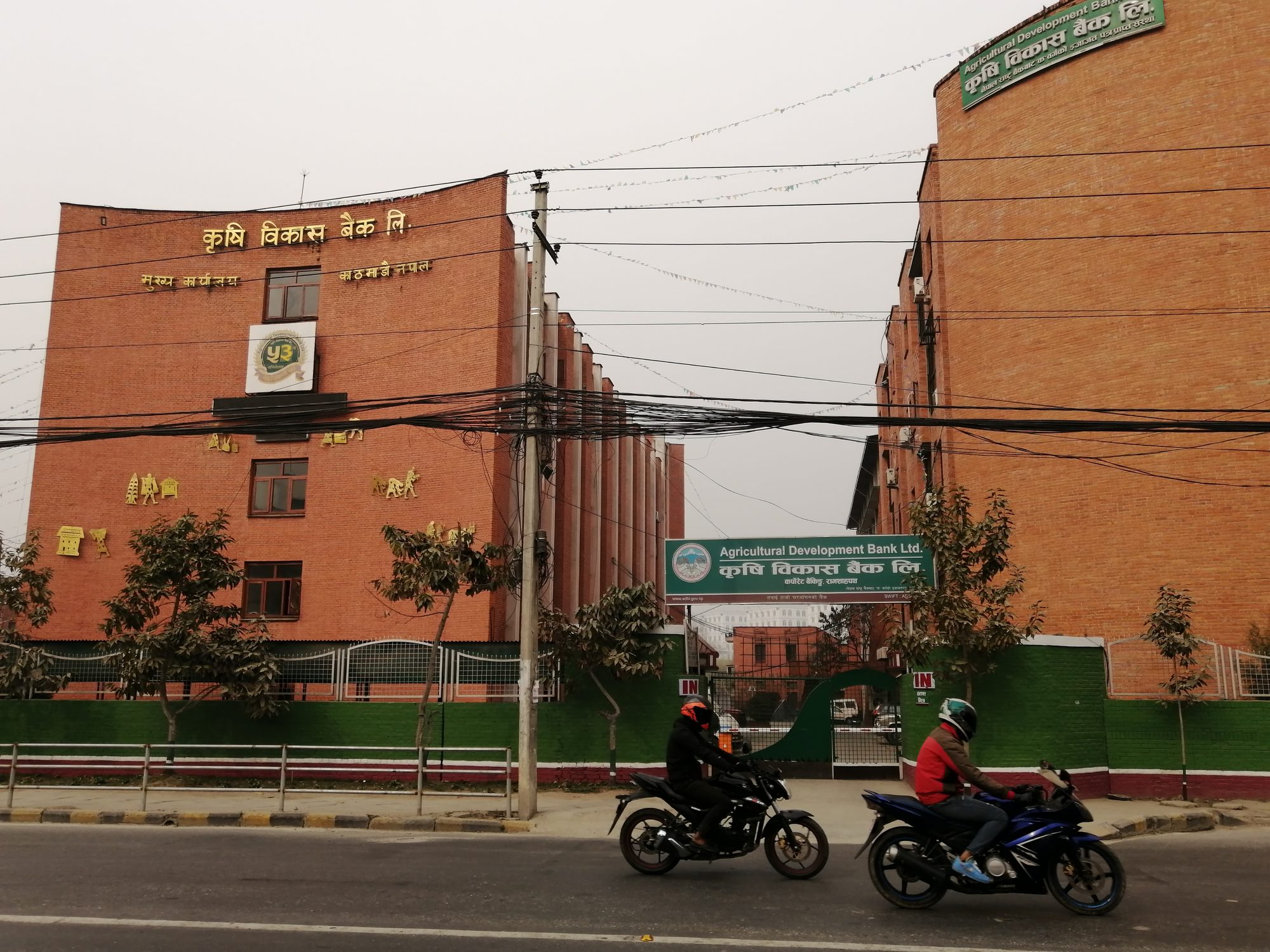
In April 2015 Nepal had 30 commercial banks. It also had 81 development banks, 52 finance companies and 36 microfinance lenders, according to central bank figures reported by Republica at the time. Many of the commercial banks were small, family-linked and competing for the same deposits in the same few cities.
Today there are 20. The reduction did not come from failures or from market pressure. It came from a single line in a monetary policy.
The Rs 8bn rule
In its monetary policy for 2015/16, Nepal Rastra Bank (NRB), the central bank, told commercial banks to raise their minimum paid-up capital fourfold, from Rs 2bn to Rs 8bn (about $52m), by mid-July 2017. Banks that missed the target would be barred from paying dividends, taking deposits, lending and opening branches, and would be told to merge or find an acquirer.
The governor at the time, Chiranjibi Nepal, intended the rule to shrink the sector. Analysts quoted in 2015 expected the number of commercial banks to fall to between 15 and 20. Not everyone thought the timetable was workable: Tilak Rawal, a former governor, told Republica that two years was too short to quadruple capital.
He was partly right. Online Khabar reported at the time that almost all commercial banks were likely to meet the target without merging, and the count fell slowly at first. By late 2019 it stood at 28.
The big mergers
The shift from small absorptions to mergers between large banks began in December 2019, when Global IME Bank and Janata Bank Nepal began integrated operations under the Global IME name. The deal took the number of commercial banks to 27 and created the country's largest bank by capital. Yuba Raj Khatiwada, then finance minister, described it as the start of a series of big mergers. The group's chairman, Chandra Dhakal, has made consolidation a hallmark of the business; see our profile, the IME remittance empire.
The second wave arrived in the Nepali month of Poush (December 2022 to January 2023). Four pairs combined in that month alone: Kumari and NCC Bank, Global IME and Bank of Kathmandu, Prabhu and Century Bank, and Nepal Investment Bank and Mega Bank. After absorbing Bank of Kathmandu, Global IME reported paid-up capital of Rs 35.7bn (about $230m), deposits of about Rs 410bn and more than 1,100 branches. The Rising Nepal counted 21 banks and financial institutions that the group had absorbed over the years.
The last commercial-bank merger of the cycle was Laxmi Bank and Sunrise Bank, which began joint operations in July 2023 as Laxmi Sunrise Bank. That left 20 commercial banks, the number that remains.
Bigger, but not uniformly stronger
Size has not settled the question of quality. In the 2025/26 fiscal year, which ended in mid-July, the 20 banks reported combined net profit of Rs 69.78bn (about $450m), up 32% on the year, according to ShareSansar's tally of quarterly reports. But the results were uneven. Fourteen banks grew their profits, NIC Asia Bank returned to profit after a loss, and five saw profits fall, according to the banks' fourth-quarter reports. Prabhu Bank, itself a product of the 2022 round, posted a net loss. NIC Asia Bank returned to a small profit after a loss of Rs 3.87bn the year before. ShareSansar attributed the pressure to weak credit growth, rising bad loans, higher provisioning and narrower interest margins.
Weak credit demand is the larger constraint. Private-sector lending grew 6.5% in 2025/26 while deposits grew 13.9%, leaving banks with more money than borrowers want; we examined this in banks flush, nobody borrowing.
What comes next
The central bank has not announced a fresh push to consolidate. Its monetary policy for 2026/27, published in July, instead commissioned a study on how banks and financial institutions should be classified before the regulatory framework is revised. That leaves open whether the NRB will use tiering, capital rules or neither to shape the next phase.
The lesson of the past decade is that Nepal's regulator can change the structure of its banking industry by decree. It is less clear that a bigger balance sheet produces better lending decisions. With bad loans rising and some large banks still recovering, the case for another round of forced mergers is weaker than it was in 2015.
How this story was made: researched and written by The Standard’s desk with AI assistance, from the published reporting and official data credited below, and checked against those sources. Our standards.



