GB Rai, Gorkha Media and the cooperative savings still caught up in court
A parliamentary committee said cooperative savings reached GB Rai's television company. He remains abroad, the heaviest charges were dropped in May 2026, and the cooperative fraud charges have not been tested in court.
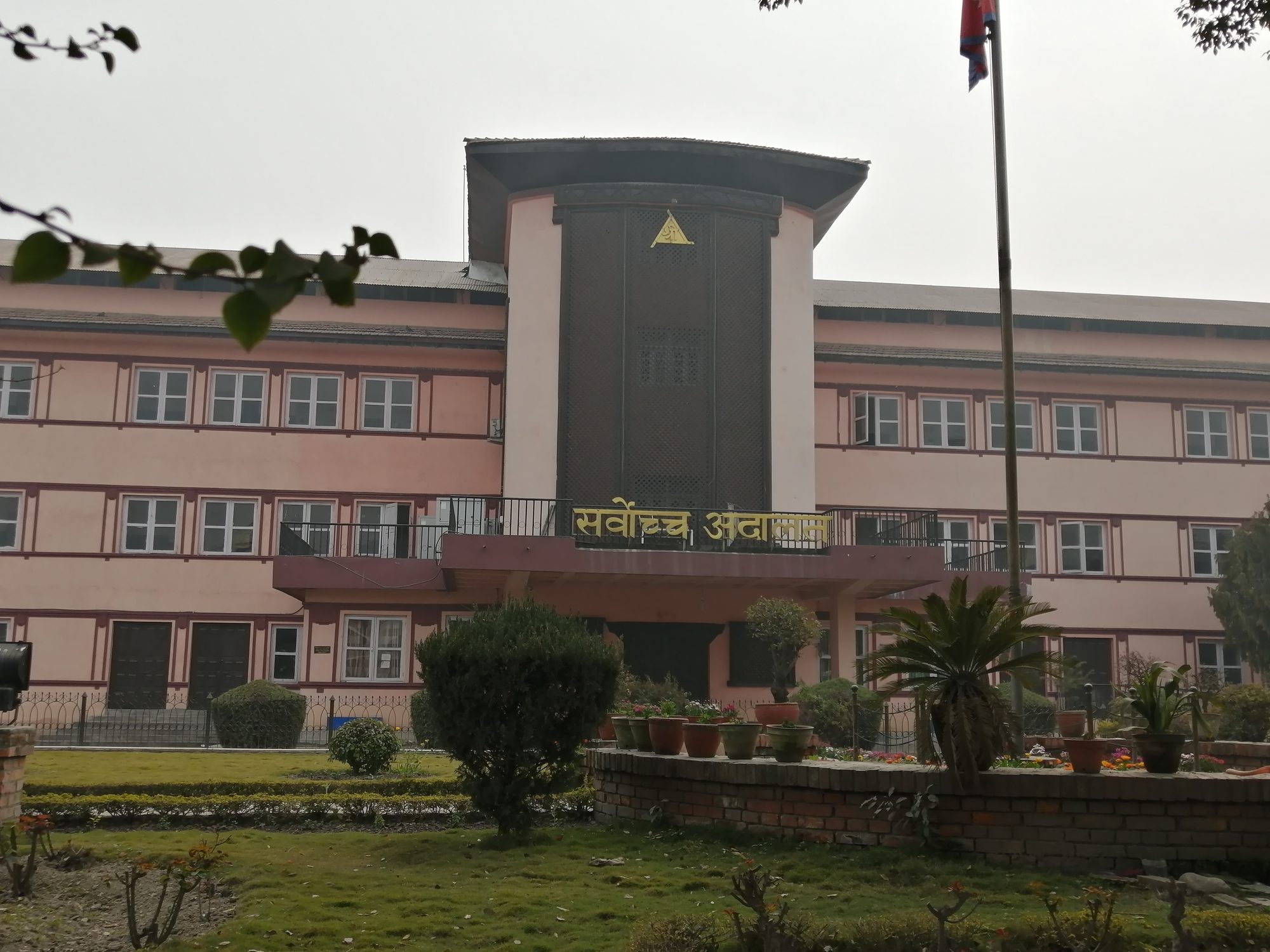
In May 2026 the owner of a building in ward 3 of Kathmandu asked for the contents of a defunct television studio to be auctioned. Galaxy 4K, run by Gorkha Media Network, had been ordered by a municipal judicial committee to pay its rent and leave in late 2024. The High Court in Patan directed in August 2025 that the order be enforced within two months, yet more than six months after eviction proceedings began the company's belongings were still inside, Desh Sanchar reported. The channel had stopped broadcasting after its best-known face, Rabi Lamichhane, went into politics, the outlet reported.
The fate of that studio is a small coda to a much larger question. Gorkha Media's chairman, Gitendra Babu Rai, known as GB Rai, is accused of embezzling more than Rs 1bn deposited at several cooperatives, some of it lent to companies he owned, including Gorkha Media, The Kathmandu Post and Setopati reported. He has not appeared before a Nepali court and has been traced to Malaysia, Republica reported. No court has ruled on the allegations against him, and an accusation is not a finding of guilt. Meanwhile about 76,000 depositors in troubled cooperatives are waiting for their money, Onlinekhabar reported in May 2026.
A cooperative founder with a television venture
Rai was the founding chairman of Pokhara's Suryadarshan Savings and Credit Cooperative and co-founded Galaxy Television with Lamichhane, then a popular presenter, The Kathmandu Post reported. He was also chairman of Supreme Cooperative in Butwal, Setopati reported.
Gorkha Media Network, which operated Galaxy 4K, had Rai as chairman and Lamichhane as managing director, The Kathmandu Post reported. Lamichhane, who now chairs the Rastriya Swatantra Party, held a 15% stake as sweat equity without putting in money, he told a parliamentary committee, the Post reported.
The company's financing is at the centre of the case. Gorkha Media borrowed Rs 105m (about $680,000) from Supreme Cooperative, Rs 120m from Sahara Cooperative in Chitwan and Rs 100m from Suryadarshan, Setopati reported in December 2023. The current chairman of Supreme Cooperative, Om Prakash Gurung, said such loans breached the Cooperatives Act 2017, which allows cooperatives to lend only to their members and does not allow companies to borrow from them, according to Setopati.
How savings cooperatives are meant to work
Savings and credit cooperatives are member-owned societies that take deposits from members and lend to them. A Department of Cooperatives count reported in January 2021 found 29,886 cooperatives of all kinds with about 7.46m members, Rs 477bn (about $3.1bn) in savings and share capital of Rs 94bn, Onlinekhabar reported.
The sector's oversight has been rebuilt only recently. The government issued an ordinance on 29 December 2024 that replaced the National Cooperative Development Board with a National Cooperative Regulatory Authority to oversee cooperatives across federal, provincial and local governments, The Kathmandu Post reported. The ordinance gave priority repayment to savings of up to Rs 500,000 (about $3,200), made membership of the Deposit and Credit Protection Fund mandatory for savings-focused cooperatives, required depositors putting in more than Rs 1m to disclose the source, and capped lending at 15% of a cooperative's primary capital, the Post reported. (For the wider picture, see our explainer on the cooperative crisis.)
These rules arrived after the money at issue in the Gorkha Media case had already moved.
The findings and the charges
A special parliamentary committee reported on 16 September 2024 that about Rs 650m (about $4.2m) had been diverted to Gorkha Media from five cooperatives: Suryadarshan in Pokhara, Supreme in Butwal, Sahara in Chitwan, Sano Paila in Birgunj and Swarnalaxmi in Kathmandu, The Kathmandu Post reported. It recommended legal action against Rai, Lamichhane, board member Kumar Ramtel and Chhabi Lal Joshi, a former deputy inspector general of police and an early founder of the company, the Post reported. A parliamentary report is not a court judgment.
Lamichhane has denied a role in the company's finances. He told the committee that his work was limited to day-to-day administration and producing programmes, and that financial decisions rested with Rai, the Post reported. His party said the committee's report had cleared him of direct embezzlement, a reading some committee members disputed, according to the Post.
In Kaski district, home of the Suryadarshan cooperative, Rai, Lamichhane, Joshi and dozens of others were charged with cooperative fraud, organised crime and money laundering, The Kathmandu Post reported. Each of those charges is an accusation that a court has yet to weigh.
The charges have since narrowed. The then attorney general, Sabita Bhandari, authorised amending the charge sheets in January 2026, first for Lamichhane and then for all defendants, The Kathmandu Post reported. On 22 May 2026 Kaski District Court approved the removal of the organised crime and money laundering charges against Lamichhane, Rai and Joshi, leaving cooperative fraud charges in place against about 50 defendants, the Post reported. The court said victims' original complaints had not alleged organised crime and that dropping the charges could make settlements between victims and defendants easier, the Post reported. A writ petition challenging the amendment is pending at the Supreme Court, and the Rupandehi District Court has blocked a similar amendment while that petition is heard, according to the Post.
Abroad, and what savers can expect
Rai has stayed out of reach. Interpol circulated a diffusion notice, a request to member countries to help locate a person, in January 2024, The Kathmandu Post reported. After he was traced to Malaysia it was upgraded to a red notice, but Nepal has no extradition treaty with Malaysia, which is under no obligation to send him back, Republica reported. Kaski District Court ordered his passport revoked in January 2025, the paper reported.
By May 2026 the Central Investigation Bureau, the police unit for serious financial crime, said it had received no new information about Rai and had made no decision to intensify the search, Onlinekhabar reported.
For depositors, the practical question is recovery. The government set up a revolving fund of Rs 250m (about $1.6m), with plans to add the same again, and began refunds on 18 May 2026, Onlinekhabar reported.
The Kaski court's reasoning points to the route most savers are likely to rely on. By keeping the cooperative fraud charges and dropping the heavier ones, the court said, the order could ease settlements that return money to depositors. The coordinator of the Suryadarshan victims' committee told the Post the change could bring some relief, provided the authorities make sure depositors are actually repaid. The Supreme Court's ruling on the pending writ will decide whether that settlement-first approach stands, or whether the organised crime and money laundering charges return. The man at the centre of the case remains abroad, the charges against him are untested, and the owner of the building where his company's studio stood has asked for its contents to be sold.
Right of reply: this article draws on published reporting, and The Nepal Standard did not contact the people named for it. Anyone named may send a response to [email protected]; we will publish relevant replies in full or in fair summary, normally within three working days. An arrest, investigation or charge is not a finding of guilt.
How this story was made: researched and written by The Standard’s desk with AI assistance, from the published reporting and official data credited below, and checked against those sources. Our standards.
The long view Nepal's cooperative crisis