Binod Chaudhary, Nepal's only billionaire, a year after the fire
The uprising burned his home and the election that followed took his seat, yet Forbes still values Nepal's only billionaire at $2.1bn and the new prime minister has invited him to talk investment.
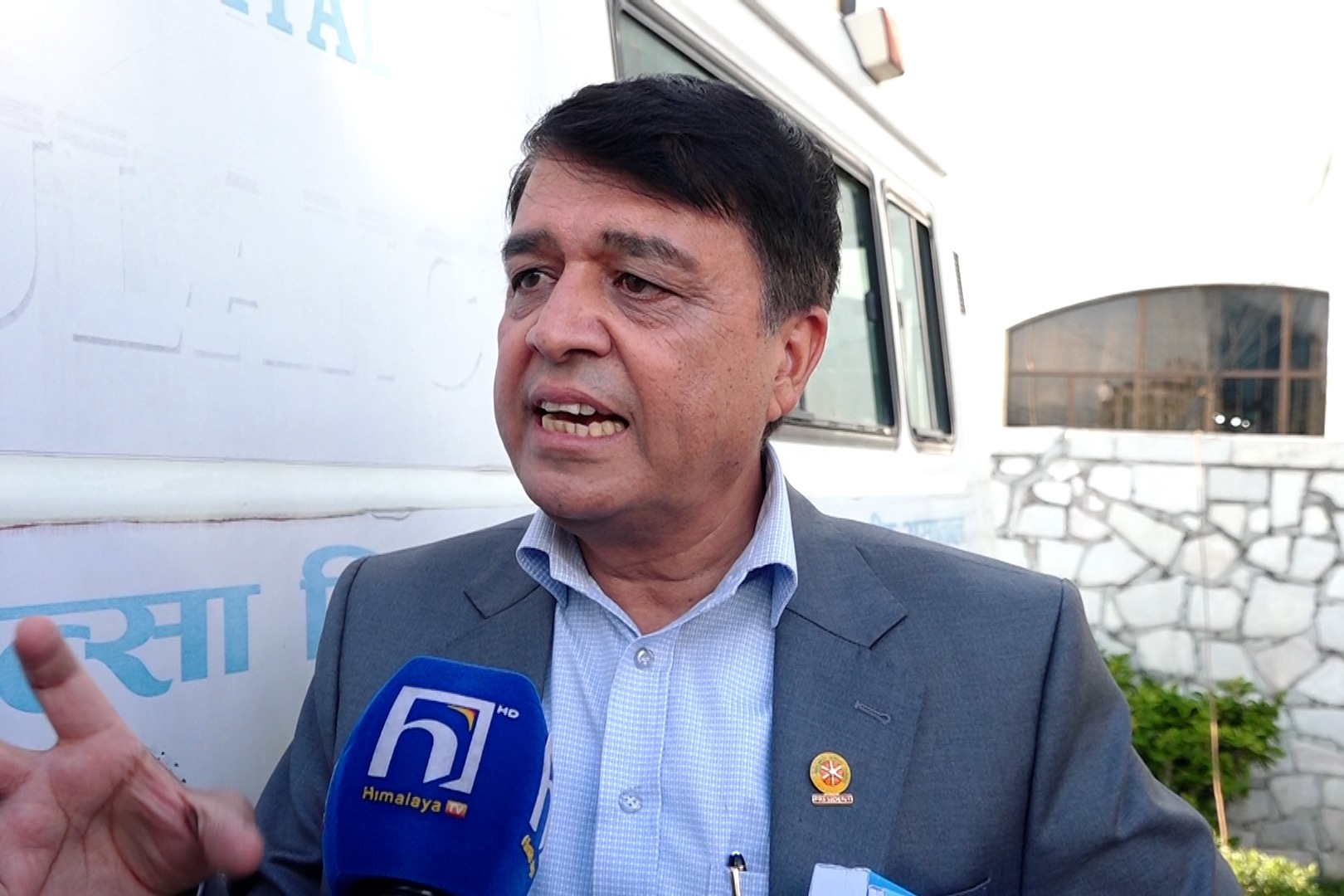
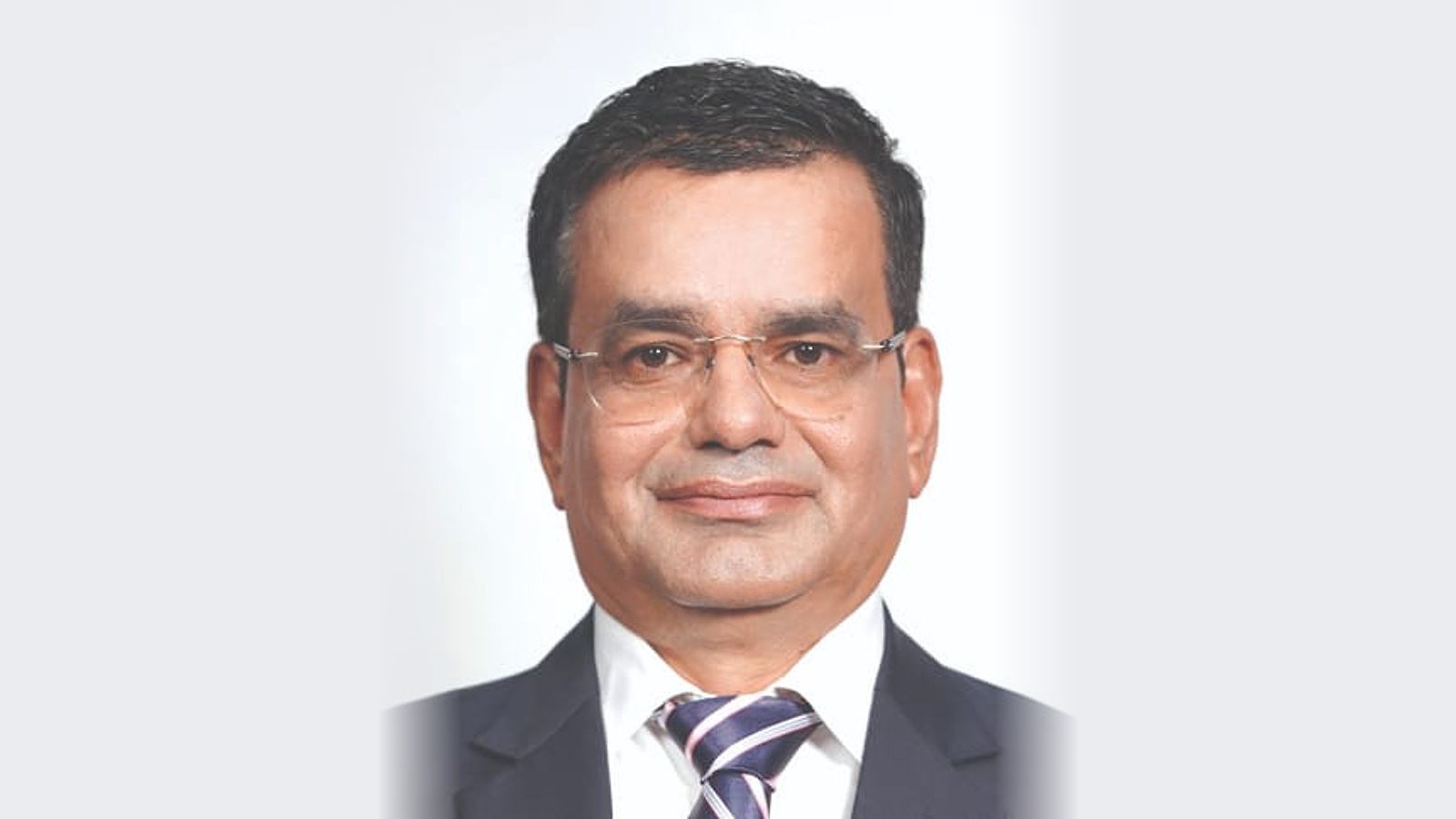
On 1 February 2026, Binod Chaudhary stood in Bardaghat, in the southern plains district of Nawalparasi, and opened his campaign for re-election to parliament. His party, the Nepali Congress, had "understood the sentiments and spirit of the Gen Z movement", he told supporters, according to Himalpress. Five months earlier, during that movement's protests, his residence had been attacked and burned, INSEC, a Nepali human rights organisation, reported.
A month after the speech, the voters of Nawalparasi West-1 gave their answer. Bikram Khanal of the Rastriya Swatantra Party took 45,241 votes; Chaudhary, who had won the same seat in 2022, took 9,502, IANS reported. The same report noted that Forbes put his net worth at $2.1bn as of March 2026, making him the only Nepali on its billionaires list for more than a decade.
That is the paradox of Chaudhary's year. The uprising of September 2025 and the election it forced cost him his house and his seat in parliament. They did not dent the fortune, or, as it turned out, his access to the new prime minister. For an investor in London or Singapore trying to read post-uprising Nepal, his case is a useful test of how far the country's established business families have been pushed out of the new order, and how far they have not.
A fortune built mostly on noodles and hotels
Chaudhary's wealth is old by Nepali standards. CG Corp Global, the group he chairs, traces its origins to a textile business founded in 1870 by his grandfather, Bhuramull Chaudhary, according to the group's own website. Khaleej Times reported in 2021 that the family were Marwaris from Rajasthan who had moved to Nepal around 140 years earlier, and Forbes notes that his father opened Nepal's first department store.
The product that made the family's name abroad came later. Khaleej Times recounted how a friend at a travel agency noticed instant noodles turning up in travellers' luggage, prompting Chaudhary to fly to Thailand and strike a partnership there. A Wai Wai factory opened in Kathmandu in 1984. By 2021, the paper reported, the brand held more than 60% of Nepal's instant noodle market and about 30% of India's. Forbes lists Wai Wai factories in India, Serbia and Bangladesh, with expansion planned in Egypt.
Hotels are the other pillar. Forbes reports that the group owns or manages 143 hotel properties, including luxury hotels developed with India's Taj chain. In 2021 Khaleej Times counted 134 hotel assets, 36 owned and 98 managed, among them a 200-room Taj hotel in Dubai that opened in December 2019. The group's website now counts 202 companies and 261 brands across sectors from food and consumer electronics to cement, energy, telecoms, education and property. In 2021 Khaleej Times put the figures at 160 companies, 123 brands, more than 15,000 employees and operations in more than 30 countries, with a net worth of $1.6bn. The fortune has grown by roughly a third since then on Forbes's numbers.
The business is now run as a family firm across generations. Forbes reports that two of his sons, Nirvana and Rahul, serve as managing directors, while the third, Varun, helps from overseas.
What ties the group to the Nepali financial system is a bank. Forbes lists a controlling stake in Nabil Bank among his biggest assets. In January 2026, four months after the fire, Nabil's annual meeting approved a 12.5% cash dividend and its board chose Nirvana Kumar Chaudhary, the eldest of his three sons, as chairman, ShareSansar, the market news site, reported. The same meeting elected Anil Keshary Shah as a director representing the promoter shareholders, a move covered in the banker's return to Nabil. The bank then had 268 branches and more than 2.5 million customers, according to ShareSansar.
The family has also built a philanthropic arm. The Chaudhary Foundation, set up in 1995, received a grant from the Bill & Melinda Gates Foundation for Baliyo Nepal, a programme against chronic child malnutrition and stunting, Khaleej Times reported.
Two days in September
On 8 and 9 September 2025, youth-led protests turned into nationwide unrest. A week later IANS reported that at least 72 people had died and that the crowds had targeted businesses seen as connected to political figures. Chaudhary was then a sitting Nepali Congress member of parliament, elected in 2022 after an earlier term through the party-list vote in 2017, according to IANS.
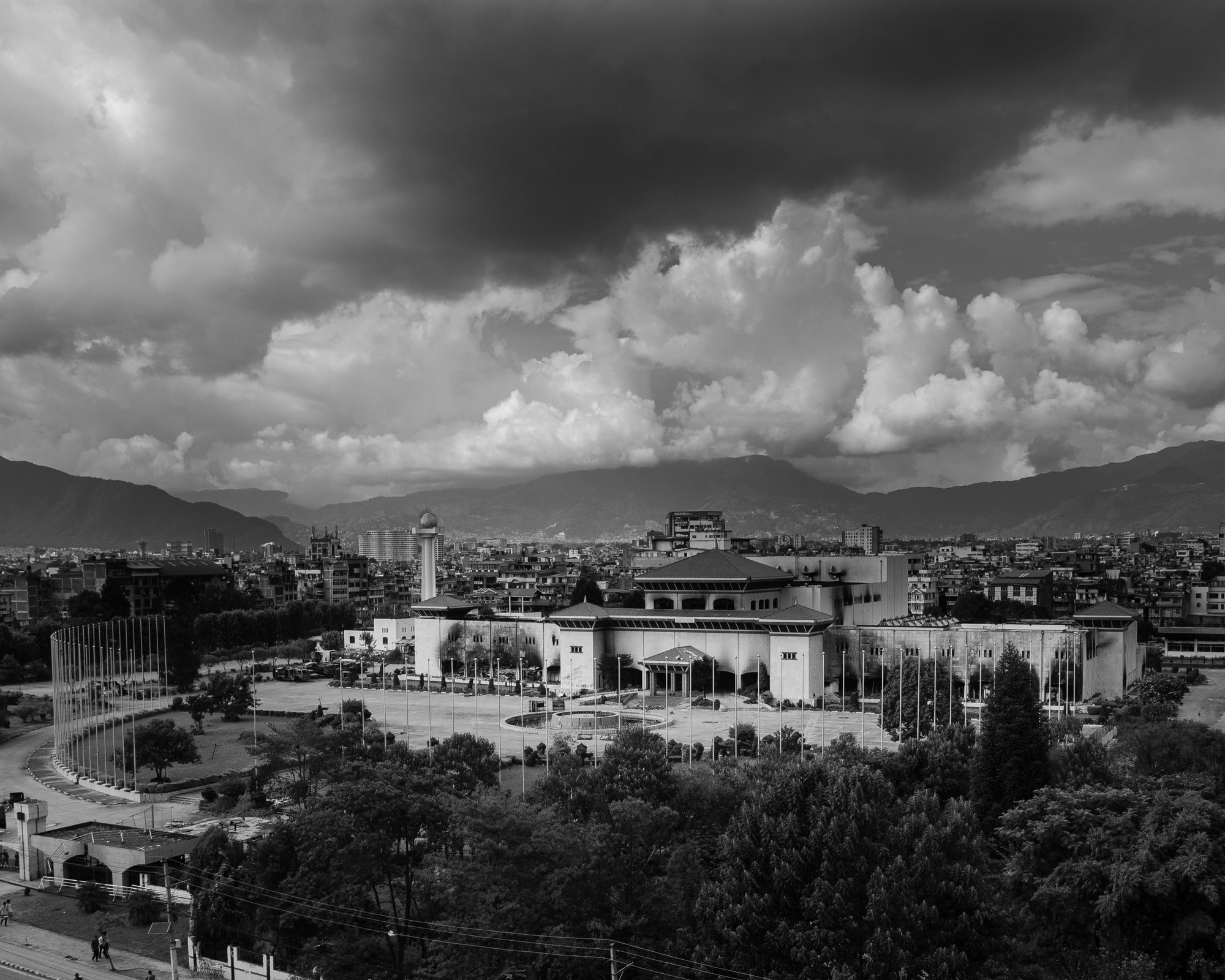
His group took some of the heaviest damage recorded in the first accounts. IANS reported that an electronics assembly factory in Kathmandu and the CG Net data centre were destroyed, a car showroom at Thapathali was burned, a shopping mall in Chitwan was attacked and family homes were set alight. INSEC, the Nepali human rights organisation, reported that CG Park in Gurjudhara was subjected to arson, vandalism and looting, and that Chaudhary's residence was attacked and burned. Damage to the Chaudhary Group was put at about Rs 5bn, roughly $32m, in a preliminary estimate cited by INSEC, which did not say who made it.
Nirvana Chaudhary, the group's managing director, called it "an attack on hope, on trust", IANS reported. He was not alone. The same report listed Rs 8bn, about $52m, in damage at the Hilton Kathmandu and attacks on 21 of Bhat-Bhateni's 27 supermarket outlets.
The arithmetic is striking. A Rs 5bn loss is a heavy blow for any business in Nepal, yet it amounts to well under 2% of the $2.1bn that Forbes attributes to Chaudhary. A group with factories in South Asia and Europe and hotels in several countries was less exposed to a few days of burning in Kathmandu than a purely domestic firm would have been.
The vote that followed
When Nepal voted in March 2026, Chaudhary chose to stand again. Himalpress described him as a member of the Nepali Congress central working committee and reported that he pledged good governance and an end to corruption under the party's leader, Gagan Thapa. He told the crowd he had "never been guided by prejudice or bias", according to the same report.
The national result was decisive. The Rastriya Swatantra Party won 182 of the 275 seats in the House of Representatives, a near two-thirds majority, and its leader Balendra Shah, aged 35, was sworn in as prime minister on 27 March, IANS reported. Chaudhary's defeat in Nawalparasi West-1, by a margin of nearly five to one, was part of that wider sweep.
The loss ended a parliamentary career that, on IANS's account, had begun in 2017. Forbes's profile still describes him as a member of parliament; that line has not kept pace with events.
Back at the prime minister's table
The new government's dealings with established business have so far been pragmatic. On 11 September 2026, almost exactly a year after the fire, Chaudhary was one of four business leaders who met Shah at the prime minister's office, ShareSansar reported. The others were Pawan Golyan, Umesh Shrestha and Chandra Dhakal, the chairman of IME Group. According to ShareSansar, they discussed the state of the economy, the investment climate, employment and closer cooperation between the government and the private sector. The meeting is part of a pattern traced in Balen Shah's courtship of business.
The facts of the past year point in one direction. The uprising burned Chaudhary's home and several of his businesses. The election removed him from parliament by a wide margin. Yet his son now chairs Nabil Bank, Forbes still counts him as Nepal's only billionaire, and the prime minister who rode the protest wave into office has invited him in to talk about investment. Whatever voters in Nawalparasi thought of Chaudhary the politician, the government they elected has kept the door open to Chaudhary the industrialist.
For Chaudhary, the question for the coming year is a narrower one than the one he faced in September 2025. It is no longer whether his businesses can survive in the new Nepal, but how much of the group's future investment he chooses to place there, rather than in the factories and hotels it already runs abroad.
Right of reply: this article draws on published reporting, and The Nepal Standard did not contact the people named for it. Anyone named may send a response to [email protected]; we will publish relevant replies in full or in fair summary, normally within three working days. An arrest, investigation or charge is not a finding of guilt.
How this story was made: researched and written by The Standard’s desk with AI assistance, from the published reporting and official data credited below, and checked against those sources. Our standards.
The long view The Gen Z uprising and business