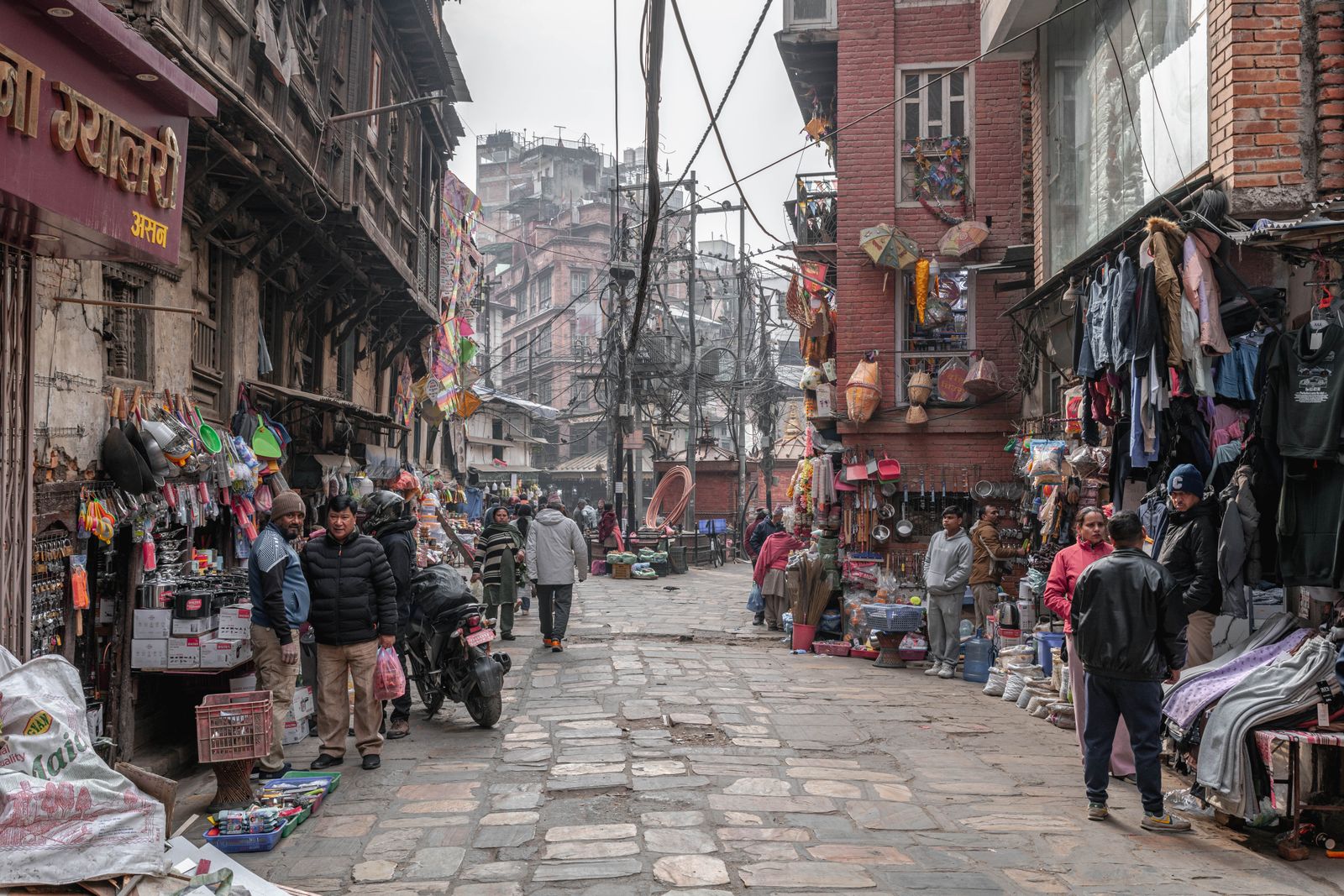
Kathmandu's property market wakes up, helped by a rush to beat the taxman
Land registration revenue hit a three-year high as buyers raced a capital gains tax increase, and the central bank has loosened home-loan limits.
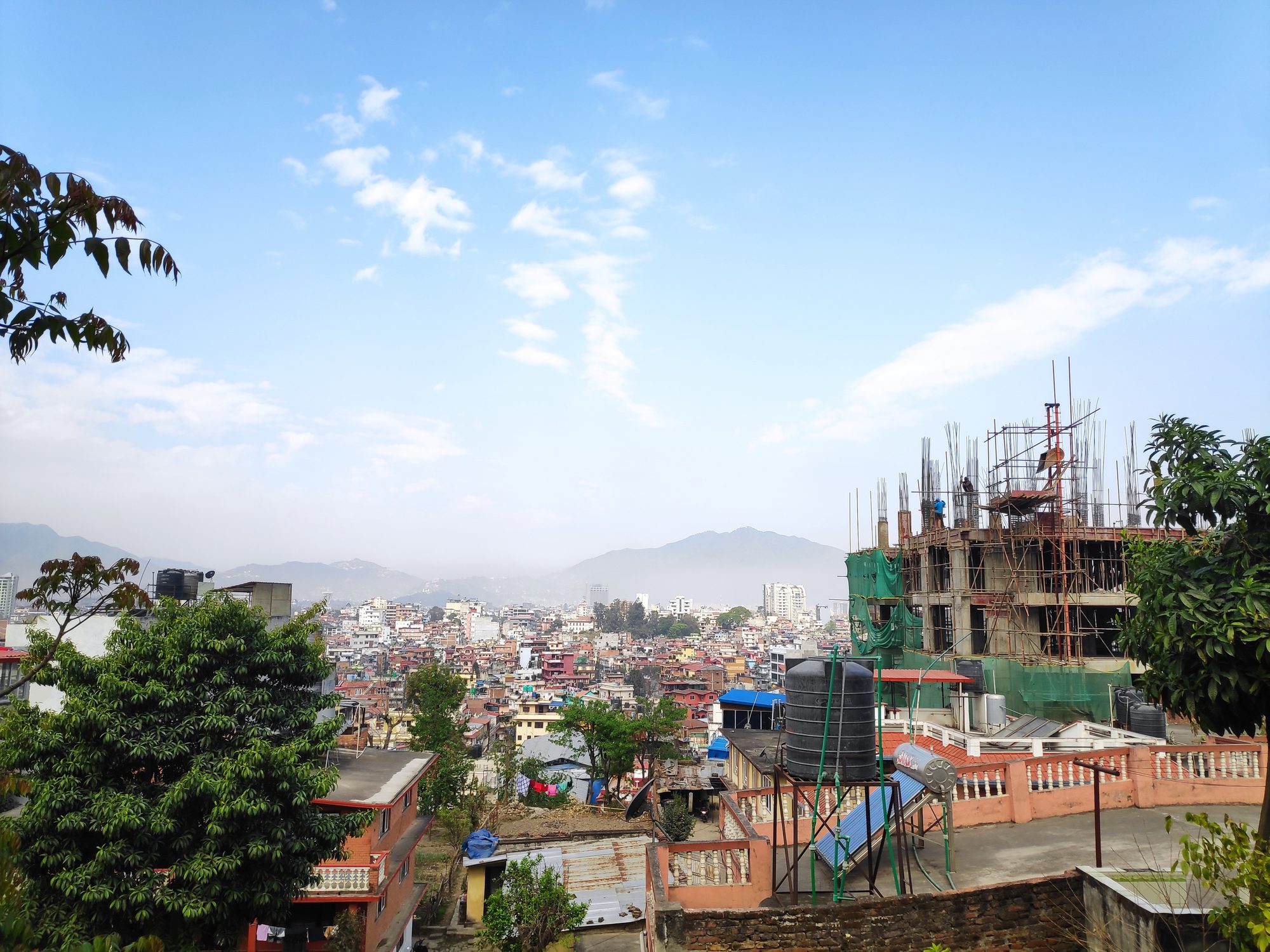
For several years the story of Kathmandu's property market was one of decline. Tighter central bank rules on real estate lending and stricter scrutiny of buyers' funds cooled a market that had been inflated by cheap credit, and registration revenue at the valley's land offices fell.
The fiscal year that ended in mid-July 2026 broke that pattern, although the reason was partly artificial.
The last-minute rush
Nepal collected Rs 60.74bn (about $392m) in revenue from property transactions in 2025/26, the highest in three years, according to Department of Land Management figures reported by the Kathmandu Post. That compares with Rs 42.42bn in 2023/24 and Rs 41.16bn the year before. Nepal Rastra Bank's research department separately put the value of property transactions at Rs 720.86bn (about $4.65bn), a rise of 4.74% after a decline of 1.84% the year before.
Much of the increase came at the end. In the month from mid-June to mid-July, revenue reached Rs 11.95bn and 70,480 deeds were registered, against 54,724 in the previous month. The trigger was a tax change taking effect on 17 July. Capital gains tax on property held for more than five years rose from 5% to 7.5%, and on property held for less than five years from 7.5% to 10%. Bhesh Raj Lohani, a former president of the real estate federation, told the Post that people wanted to avoid the higher rate.
Subdivision reined in again
A second deadline added to the rush. Restrictions on dividing land into plots were reinstated on 17 July in municipalities that had not completed the land-use classification the law requires. Only 340 of Nepal's 753 local governments had done so. In the final month before the deadline, subdivision cases surged to 212,779; after the restrictions returned they fell to 42,563.
The department has also told land offices that any transaction above Rs 30m (about $194,000) in a metropolitan or sub-metropolitan city must go through a licensed real estate company, a step intended to bring large deals into a supervised channel.
Credit loosens
The central bank has meanwhile eased the pressure on borrowers. Its monetary policy for 2026/27, published in July, raised the ceiling on loans for building or buying a home from Rs 20m to Rs 30m. Loan-to-value ratios are set at 80% for first-time buyers and 70% for others. The bank says it is maintaining a cautiously flexible stance in support of the government's 7% growth target, and expects bank lending to grow by Rs 652bn over the year.
That matters because banks have plenty to lend. As we reported in Banks are flush, but nobody is borrowing, weak demand for credit rather than a shortage of funds has been the problem.
Is this a recovery?
Probably not yet. A rush to beat a tax rise pulls transactions forward and tends to be followed by a lull, and the higher capital gains rates will weigh on the quick resales that drove the last boom. Restrictions on plotting will limit the supply of new land around the valley, which may support prices for existing plots while reducing turnover.
Much of the underlying demand comes from households receiving money from abroad; see how remittances outran the budget. A larger home-loan ceiling will help buyers of finished houses and apartments more than land speculators. If that shifts Kathmandu's property market from trading plots towards building homes, the central bank and the tax authorities will have achieved something their predecessors did not.
How this story was made: researched and written by The Standard’s desk with AI assistance, from the published reporting and official data credited below, and checked against those sources. Our standards.