Kailash Sirohiya's Kantipur survived an arrest and a fire. Its business model is the harder test
Nepal's largest media house came through its chairman's 2024 arrest, which ended without charge, and an arson attack. Revenue down about 70% in a decade and its heir's exit over the newsroom's journalism are harder problems.
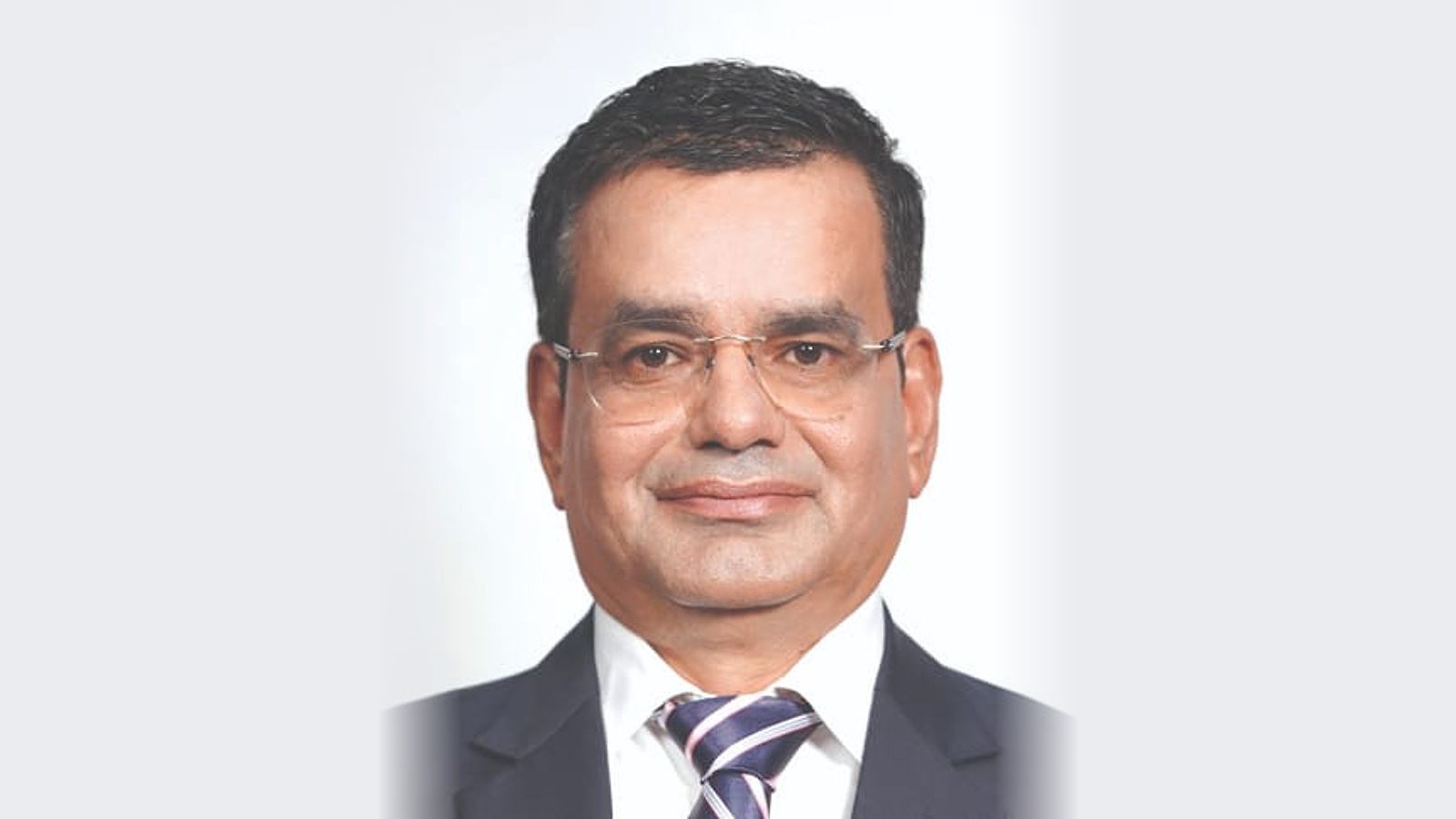
In February 1993 a young publisher named Shyam Goenka launched two daily newspapers in Kathmandu, Kantipur in Nepali and The Kathmandu Post in English, after the 1990 constitution opened the way for a free press, Goenka recalled in The Annapurna Express. Control of the company later passed to Kailash Sirohiya, who now chairs what became Kantipur Media Group.
In 2026 the state moved to cut private newspapers off from government advertising. This time Kantipur's managing director, Sirohiya's son Sambhav, welcomed the decision, and the group walked out of the publishers' association it had helped found rather than join a legal challenge, The Kathmandu Post reported. A fortnight after that, he resigned.
That sequence is the clearest window into Kantipur Media Group (KMG), which Kailash Sirohiya chairs and which the Post describes as Nepal's largest media conglomerate by reach and size. In two and a half years it has seen its chairman detained, its headquarters set alight, its revenue fall by about 70% over a decade and its heir walk out over the newsroom's journalism. The story matters beyond one family firm. The Committee to Protect Journalists (CPJ), a New York-based press freedom group, calls KMG's two dailies the country's most prominent outlets, and their finances show what happens to independent reporting in a small market where the state is both a large advertiser and a frequent subject of investigation.
Nine days in custody, then a fire
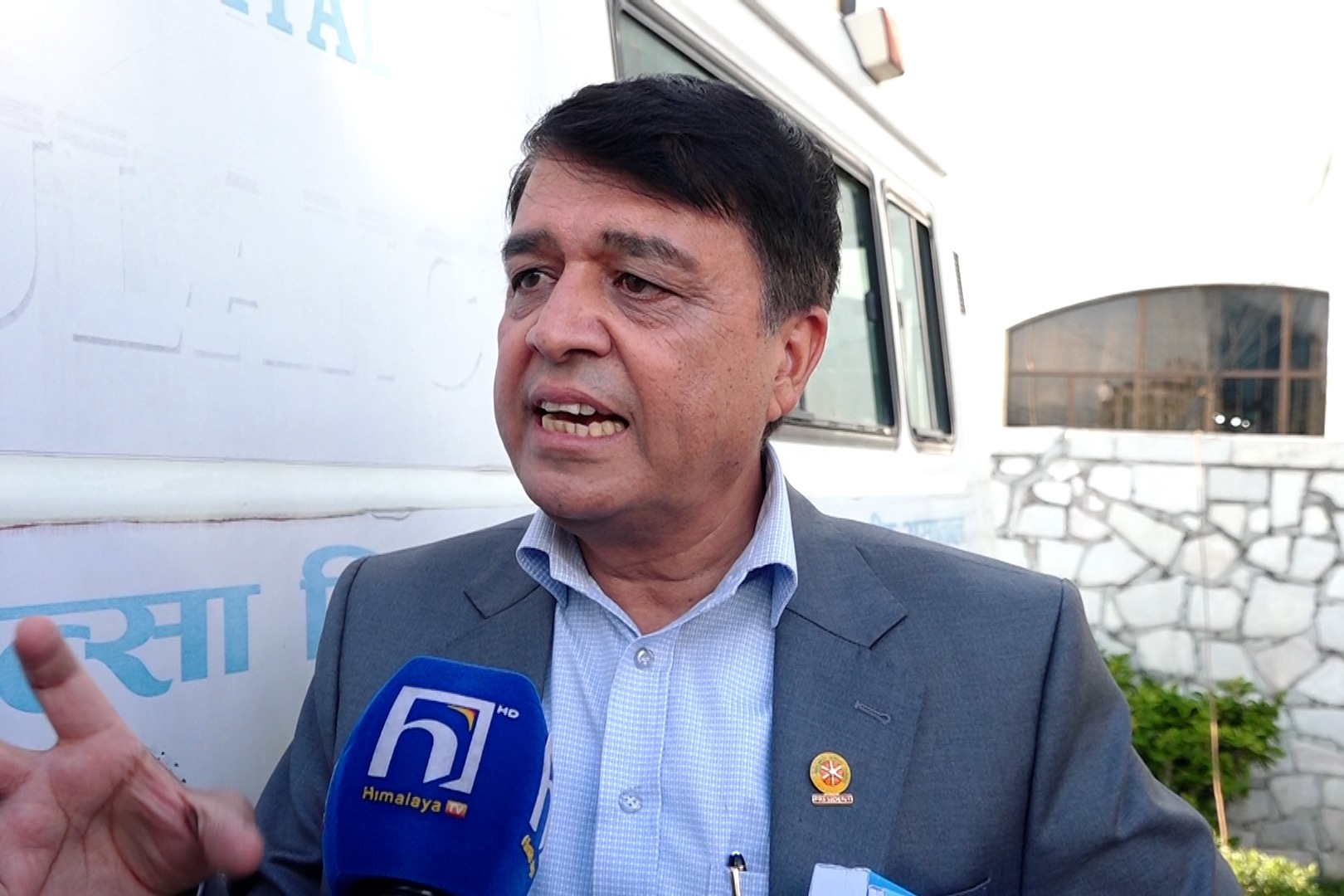
On 21 May 2024 four plain-clothes police officers entered KMG's Kathmandu headquarters and arrested Sirohiya, according to CPJ. The case rested on a complaint, lodged in the southern district of Dhanusha by a member of the Rastriya Swatantra Party, that his citizenship certificate shared a number with another man's, The Kathmandu Post reported.
The timing drew attention. KMG outlets had, on 20 and 21 May, published reports alleging that Rabi Lamichhane, then deputy prime minister and home minister, misused cooperative funds while he was managing director of Gorkha Media Network, CPJ reported. A press allegation is not a finding of guilt. CPJ said the arrest appeared to be an effort to "muzzle critical reporting".
A Dhanusha court granted police three days' remand the next day, according to CPJ. Sirohiya was taken to hospital in Janakpur with a heart complaint and released on 29 May after nine days, the Post reported. A joint attorney at the Dhanusha district attorney's office said investigators had found no basis for the citizenship allegations, the former official who issued the certificate confirmed that the signature on it was his, and the office concluded that any flaws should be corrected administratively rather than prosecuted, according to the Post. No charge followed. Sirohiya said the detention had been meant to weaken KMG's journalism and that he would seek legal remedy against those involved.
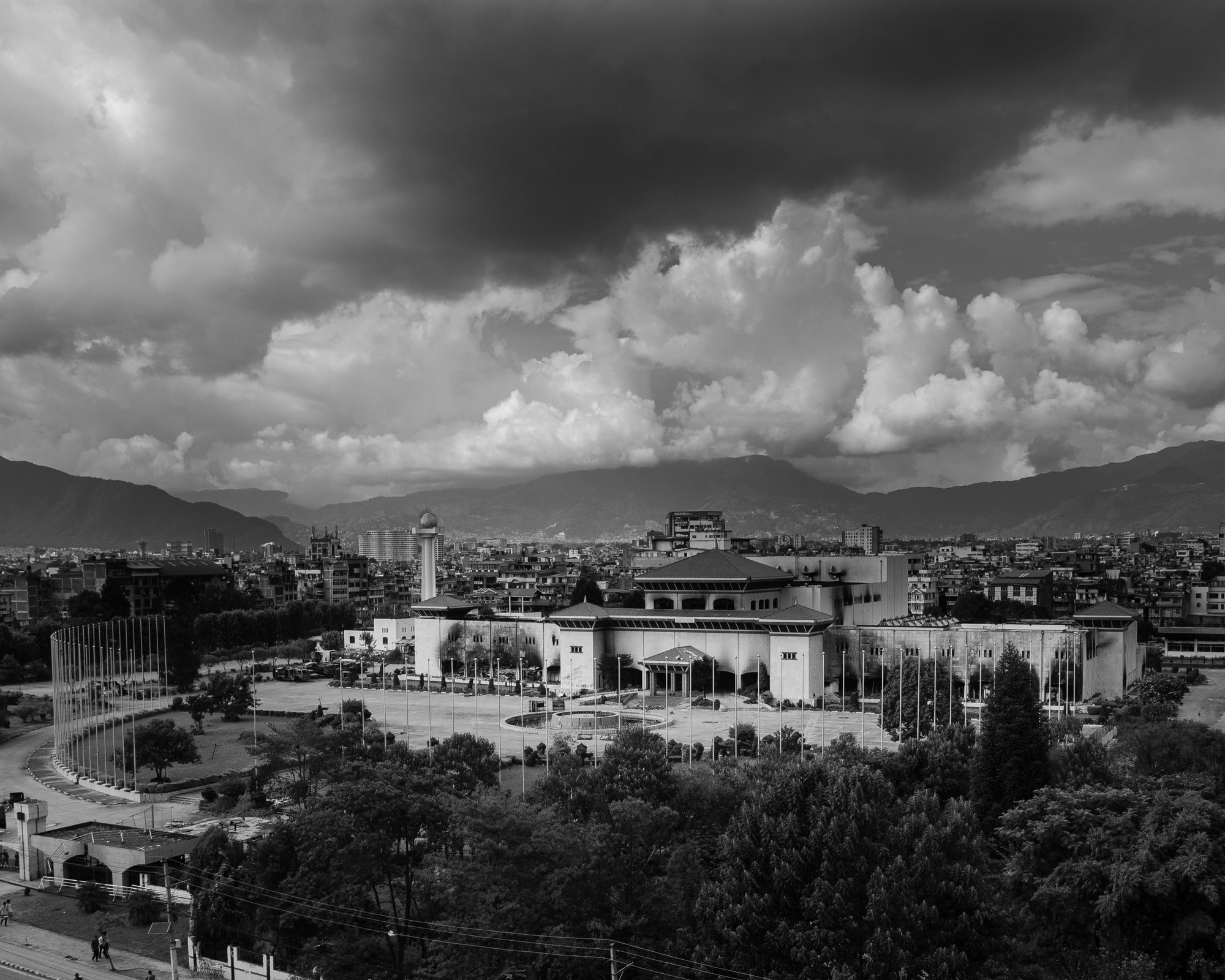
Fifteen months later came a far more physical blow. In September 2025 youth-led demonstrations against corruption, triggered by a government ban on social media platforms, spread through Kathmandu, Dawn reported. On 9 September a crowd stormed the Kantipur Television building, set fire to three buildings on the premises and torched two dozen motorbikes and more than a dozen cars, according to the same Dawn account. Staff and journalists had been evacuated and no casualties were reported, Newslaundry, an Indian media publication, reported, adding that flames reached the first, eighth and ninth floors of the headquarters and the seventh-floor server room, taking the group's websites offline, and that the Kantipur Television and Radio Kantipur studios in Tinkune were also attacked.
The Post was on the streets the next morning. Staff worked through the night to print it, Newslaundry reported, quoting Anup Kaphle, then editor-in-chief of Rest of World, who praised the effort with the line: "You can burn the newsroom, you can't destroy the spirit." The wider cost of the uprising to Nepali business is set out in our report on insurance claims a year on.
A business that has lost most of its revenue
The fire struck a company already in retreat. In April 2026 The Kathmandu Post, KMG's own English daily, published an unusually candid account of its owner's position. Group revenue had fallen by about 70% over the past decade, the paper reported, while the business model, newsroom practices and distribution had remained largely unchanged. KMG employs more than 650 people, 238 of them in the newsrooms of its two national dailies. Before the September protests, salaries had at one point fallen three months into arrears. Payments returned to normal after the uprising but became irregular again, and about half a dozen journalists at the two dailies were still waiting for a month's pay when the report appeared.
KMG is far from alone. The Department of Information and Broadcasting counts 14,842 registered outlets, among them 1,207 FM radio stations and 252 television channels, the Post reported. All 27 working journalists the paper interviewed across print, broadcast and digital outlets described pay arrears of between two months and nearly a year. Even Nepal Republic Media, publisher of Nagarik and My Republica, which raised Rs 435.3m (about $2.8m) from 361,000 shareholders in its 2023 public offering and reported a small net profit of Rs 2.46m, had journalists who said they had gone six months without regular pay, according to the Post.
Sambhav Sirohiya's answer was to shrink and automate. In about three years as managing director he cut costs, laid off dozens of staff with financial packages in 2025, and invested in technology and in hiring for automated systems, the Post reported. By his account, KMG had been losing more than Rs 600m (about $3.9m) a year when he took over, and his reforms brought it close to profitability.
The advertising fight Kantipur sat out
On 1 April 2026 the Office of the Prime Minister directed federal, provincial and local governments, and every body spending public money, to publish their notices only through state-owned outlets such as Gorkhapatra, Radio Nepal and Nepal Television, The Kathmandu Post reported. Officials said the aim was to prevent leakage and corruption in advertising spending.
The Nepal Media Society, an association of publishers, said it would challenge the order in court. KMG, two of whose companies were founding members of the society, left it with effect from 7 April, and its chief executive, Mahesh Swar, resigned as the society's vice-chairperson, the Post reported. Sambhav Sirohiya went further, calling state advertising a Rs 3bn (about $19m) racket in which middlemen took 70% of the money, describing its end as a good move, and saying KMG did not depend on government notices and would survive, according to the Post.
The publishers won without KMG. On 14 July a division bench of the Supreme Court, Justices Sharanga Subedi and Nripa Dhwoj Niroula, quashed the April decision and ordered the government not to discriminate against private media when placing advertisements, The Kathmandu Post reported. The ruling applies to private outlets generally, KMG included, which means the group regains access to a revenue stream its managing director had publicly dismissed.
A son's exit, and a newsroom under new leadership
Sambhav Sirohiya was gone before the ruling. He resigned with immediate effect on 23 April 2026, the Post reported. In his note he cited serious disagreements with Kantipur's recent reporting, particularly its stories about the then home minister, Sudan Gurung, which he called "sensational and sloppy", and said he could not lead a transformation while lending his name to journalism he did not believe in. The reporting he objected to was published under his father's chairmanship. Reports of his resignation did not name a successor.
The departure followed a significant editorial appointment. Less than a month earlier, KMG had named Anup Kaphle, the editor who had praised its staff after the fire and who edited the Post from 2018 to 2020, to the newly created post of group editorial director, the highest editorial role in the group's history, reporting directly to the managing director, according to KMG's own announcement. Within weeks, the managing director who announced the hire had left over the journalism.
What the record shows is a company pulled between two ideas of itself. The investigative reporting that gives KMG its standing coincided in 2024 with its chairman's arrest, a case that ended without charge, and in 2026 with a public split inside the controlling family. The advertising that once paid for that reporting has shrunk, and the court has only restored the right to compete for the state's share of it. The son who argued for a leaner, technology-led company has left. Kailash Sirohiya, who once took over a struggling newspaper from its founder, now has to decide on his own what the next version of it looks like: who runs the business day to day, whether the cost-cutting continues, and whether the group rebuilds its burned offices or settles into fewer of them.
Right of reply: this article draws on published reporting, and The Nepal Standard did not contact the people named for it. Anyone named may send a response to [email protected]; we will publish relevant replies in full or in fair summary, normally within three working days. An arrest, investigation or charge is not a finding of guilt.
How this story was made: researched and written by The Standard’s desk with AI assistance, from the published reporting and official data credited below, and checked against those sources. Our standards.
The long view The Gen Z uprising and business