Ang Tshering Sherpa built the Yeti group from a trekking kitchen. His heirs inherited its hardest tests
Seven years after the Yeti founder died in a helicopter crash, the group he built has lost control of its airline to an insurer, is preparing a share offering and faces a court case over state land in Kathmandu.
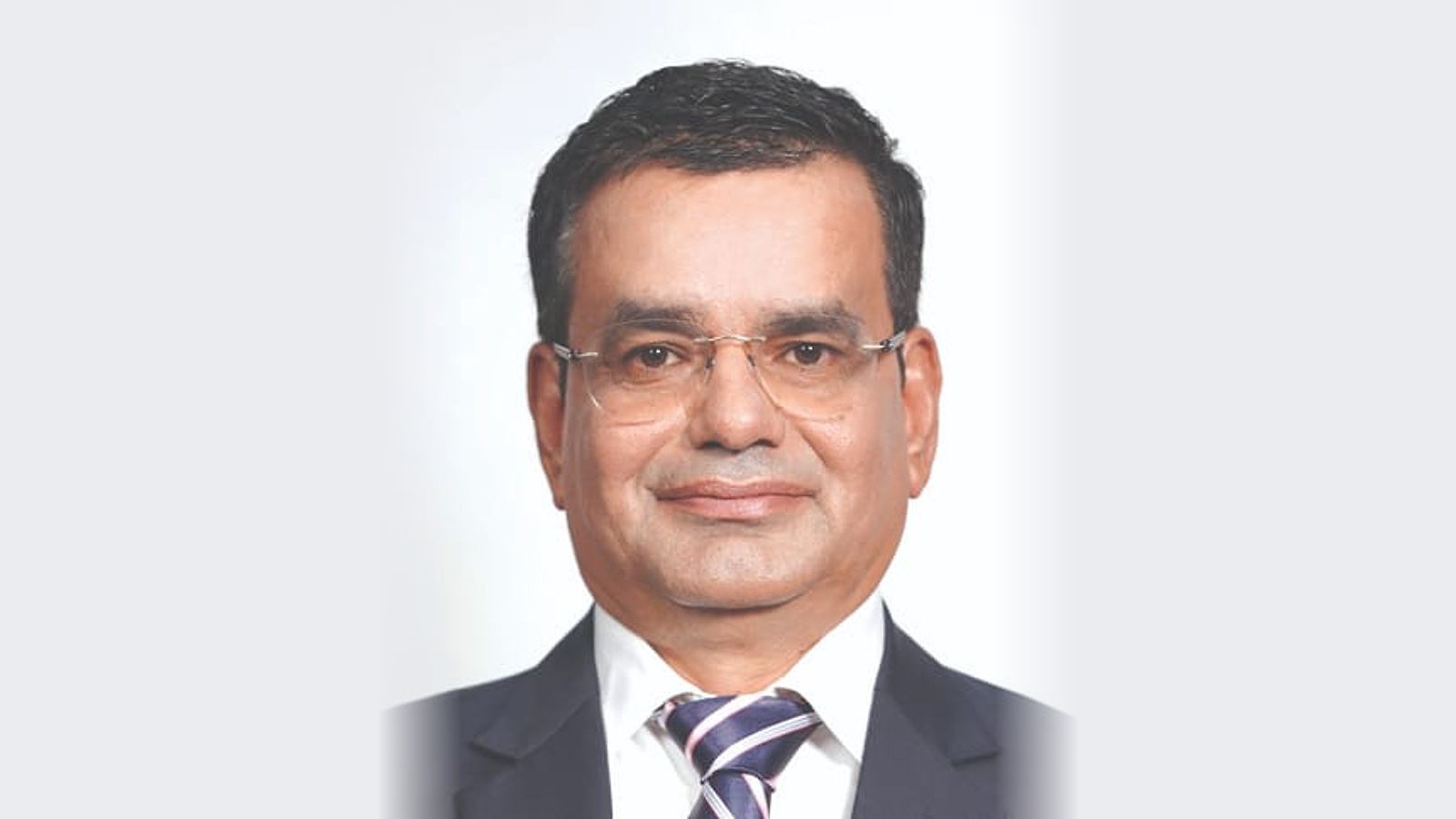
Ang Tshering Sherpa ran an airline on a set of small, stubborn habits. Every air ticket sold planted a sapling, and every boarding pass gave five rupees to charity, the writer Lisa Choegyal recalled in the Nepali Times. She described him as fanatical about safety. He began as a kitchen boy on trekking teams, the lowest job on the crew, and reached Kathmandu with about Rs 300, she wrote. When he died on 27 February 2019, aged 54, he presided over a group that took in two airlines, travel and mountaineering agencies, hotels, remote lodges and wildlife camps, all loosely grouped under the Yeti name.
He died in a helicopter crash, on a day when, Choegyal wrote, he had compromised his own strict rules about flying. Seven years on, the companies he built are being reshaped by forces he did not live to see: the deadliest air crash in Nepal in three decades, the sale of nearly half of Yeti Airlines to an insurer, a planned share offering, and legal scrutiny of the state land beneath some of the family's best-known properties. For readers outside Nepal, the Yeti story is also the story of the country's tourism economy: an industry that depends on small aircraft flying into some of the most difficult terrain on earth, and on assets leased from a state still sorting out the property of its former monarchy.
From the trekking kitchen to the runway
Ang Tshering Sherpa was born in October 1964 in Pangkhum, a village in what is now Khumbu Pasang Lhamu rural municipality in Solukhumbu district, The Himalayan Times reported after his death. The Nepali Times account has him working his way up to sirdar, the head of a trekking crew, leading treks across Nepal and spending summers working in French alpine chalets.
With his elder brother, Lakpa Sonam Sherpa, he built Thamserku Trekking, which The Himalayan Times called the country's top mountaineering agency, and then Yeti Airlines, which the paper described as Nepal's largest domestic airline. The aviation trade publication ch-aviation dates the airline's founding to 1998. The Himalayan Times listed a wider set of businesses tied to him: Tara Air, Air Dynasty, Yeti Adventure, Yeti Homes and Altitude Air, as well as Gokarna Forest Resort on the edge of Kathmandu, a luxury lodge at Kongde in the Everest region and a resort at Lomanthang in Upper Mustang.
Two details from the obituaries explain the reputation he left behind. The Himalayan Times observed that, unlike other successful Nepali entrepreneurs who invested abroad, he kept planning to expand at home. And the Nepali Times recorded his advocacy for international aviation certification for Nepali carriers and his ambition for a carbon-neutral airline. She also recalled his schemes for remote communities, among them a proposed short-take-off airstrip at Lake Phoksundo and village homestays in Braga, plans that tied the group's commercial interest to places most airlines would never serve. The paper also noted that a younger brother, Ang Tendi, had been killed in a helicopter crash 22 years earlier.
The last flight from Pathibhara
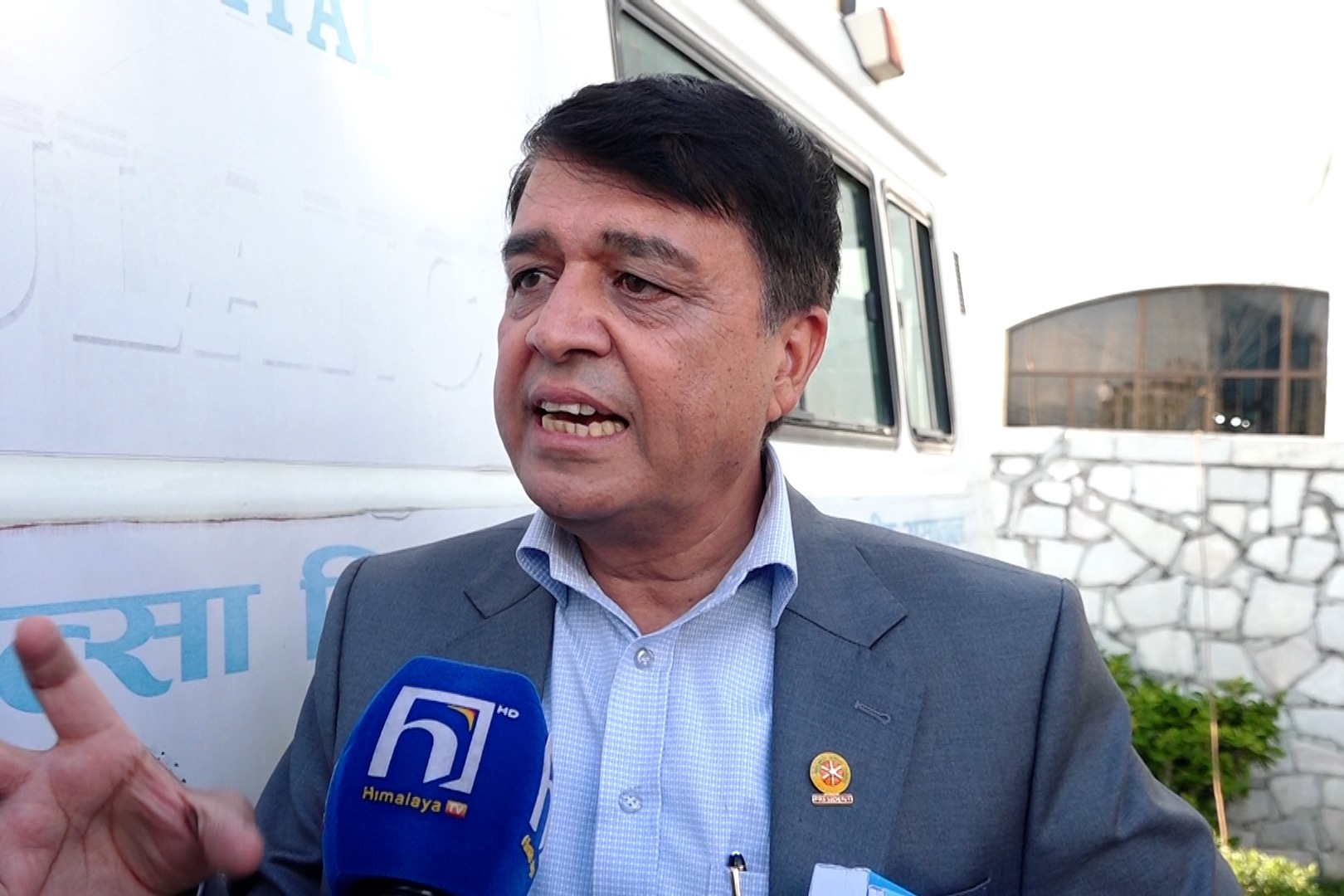
On 27 February 2019 Ang Tshering Sherpa travelled with the tourism and civil aviation minister, Rabindra Adhikari, to Chuhan Danda in Tehrathum district to look at an airport under construction, The Himalayan Times reported. The party then visited the Pathibhara temple in Taplejung. Their Air Dynasty helicopter crashed shortly after taking off again from the temple, killing all seven aboard, among them a deputy director general of the Civil Aviation Authority of Nepal (CAAN), the aviation regulator, according to the paper.
The crash killed the minister responsible for aviation, two officials from its regulator and the founder of Yeti Airlines in a single afternoon. It removed the group's most recognisable figure, and the people who inherited his companies have since faced a run of tests that would have strained any family business.
An airline that had to sell control
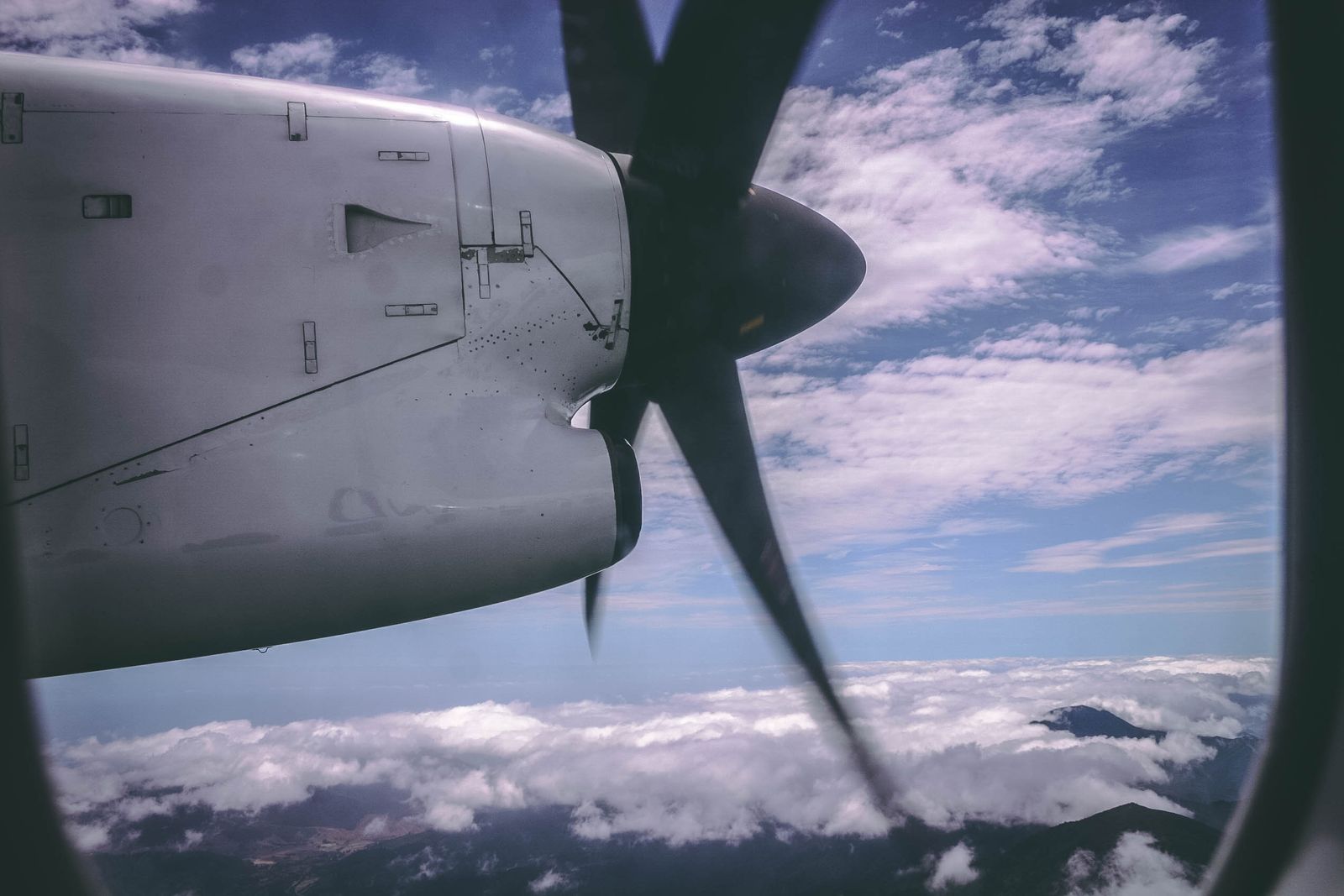
The first test was safety. On 15 January 2023 Yeti Airlines flight 691, an ATR 72 turboprop flying from Kathmandu, crashed on approach to the new Pokhara airport with 72 people aboard. Reuters and AFP, in reports carried by Dawn, called it Nepal's deadliest air disaster since 1992, and noted that the European Union had barred Nepali airlines from its airspace since 2013 over safety concerns.
The official investigation, The Kathmandu Post reported in December 2023, found that when the captain called for flaps, the pilot monitoring moved both condition levers to the feathered position instead, cutting thrust from both propellers. Investigators also faulted cockpit resource management and criticised CAAN for approving operations at the new airport without proper validation, according to the Post. The committee ruled out any link between the crash and reported delays in salary payments. How CAAN is organised, and whether Nepali carriers can leave the EU list, remain live questions (see the CAAN split and the EU deadline).
The second test was money. In October 2023 Asian Life Insurance, a Kathmandu-based insurer, bought 49% of Yeti Airlines for Rs 1.75bn (about $11m), paying a 70% premium over the paper value of the Sherpa family's shares, ch-aviation reported. The family kept its majority but ceded operational control, and the insurer installed Subhas Sapkota as chief executive, according to the publication. Ch-aviation also reported that the airline had never been profitable and had been supported by the family's tourism and hospitality businesses.
The third development points to the future. In May 2026 Yeti Airlines appointed NIMB Ace Capital as issue and sales manager for an initial public offering of ordinary shares, B360 reported. An offering would need approval from the Securities Board of Nepal (SEBON), the market regulator, before shares could trade on the Nepal Stock Exchange (NEPSE). A listing would open the airline's books and its domestic market prospects to ordinary investors (see why domestic air passenger numbers are falling).
The land beneath the resorts
The group's other inheritance is a set of leases from Nepal Trust, the state body that manages property nationalised from the former royal family. Republica reported in November 2019 that the 2,792-ropani Gokarna site (about 142 hectares) was leased from 15 August 1996 for 30 years to LM Suvir Brothers, a sister company of Yeti Holdings, at Rs 750 per ropani a month, or about Rs 26.6m (roughly $172,000) a year. The same report said the original contract barred extending the lease before it expired, and that the Nepal Trust Act was amended to allow early extensions where additional investment and economic benefit were promised.
The KP Sharma Oli government then extended the lease by 25 years, six years before it was due to end. The decision drew wide criticism, Republica reported in December 2019. Oli defended the extension as the product of independent evaluation and contrasted it with what he called the haphazard past leasing of former royal property, according to the same report, which also noted that the government had awarded Yeti Holdings land on Durbar Marg in central Kathmandu.
That Durbar Marg plot is now in court. In December 2025 the Kathmandu District Government Attorney's Office, on an investigation by the Central Investigation Bureau of Nepal Police, filed a fraud and criminal breach of trust case at Kathmandu District Court against two former Nepal Trust officials, Thamserku Trekking and its chairman, Lakpa Sonam Sherpa, Republica reported. The charge sheet claims that a proposal valued at Rs 6.46bn (about $42m) was accepted but the lease was signed at about Rs 1.59bn, and puts the case at Rs 5.25bn (about $34m), according to Republica. These are prosecution claims: a charge is not a finding of guilt, and the defendants are entitled to contest them in court.
Lakpa Sonam Sherpa, the surviving co-founder, now represents the family's interests in the airline, ch-aviation reported. None of these matters concerns Ang Tshering Sherpa personally; the airline crashes, the share sale and the Durbar Marg case all came after his death. They do, however, frame the inheritance. The test for his successors is whether the group can keep the reputation for care that he built while answering to new outside shareholders, regulators and courts. The share offering, if it proceeds, would bring a fresh audience to that question: Nepali savers deciding whether an airline that lost 72 people in 2023 and, by ch-aviation's account, had never made a profit belongs in their portfolios.
Right of reply: this article draws on published reporting, and The Nepal Standard did not contact the people named for it. Anyone named may send a response to [email protected]; we will publish relevant replies in full or in fair summary, normally within three working days. An arrest, investigation or charge is not a finding of guilt.
How this story was made: researched and written by The Standard’s desk with AI assistance, from the published reporting and official data credited below, and checked against those sources. Our standards.
The long view The Nepal Stock Exchange