Giri Bandhu Tea Estate: the Jhapa land swap Nepal's Supreme Court annulled, and what came after
A 1964 exemption let a Jhapa tea estate keep land far above Nepal's legal ceiling. The Supreme Court annulled a 2021 cabinet decision letting it swap that land, but its order to reclaim surplus land had not been carried out by May 2026.
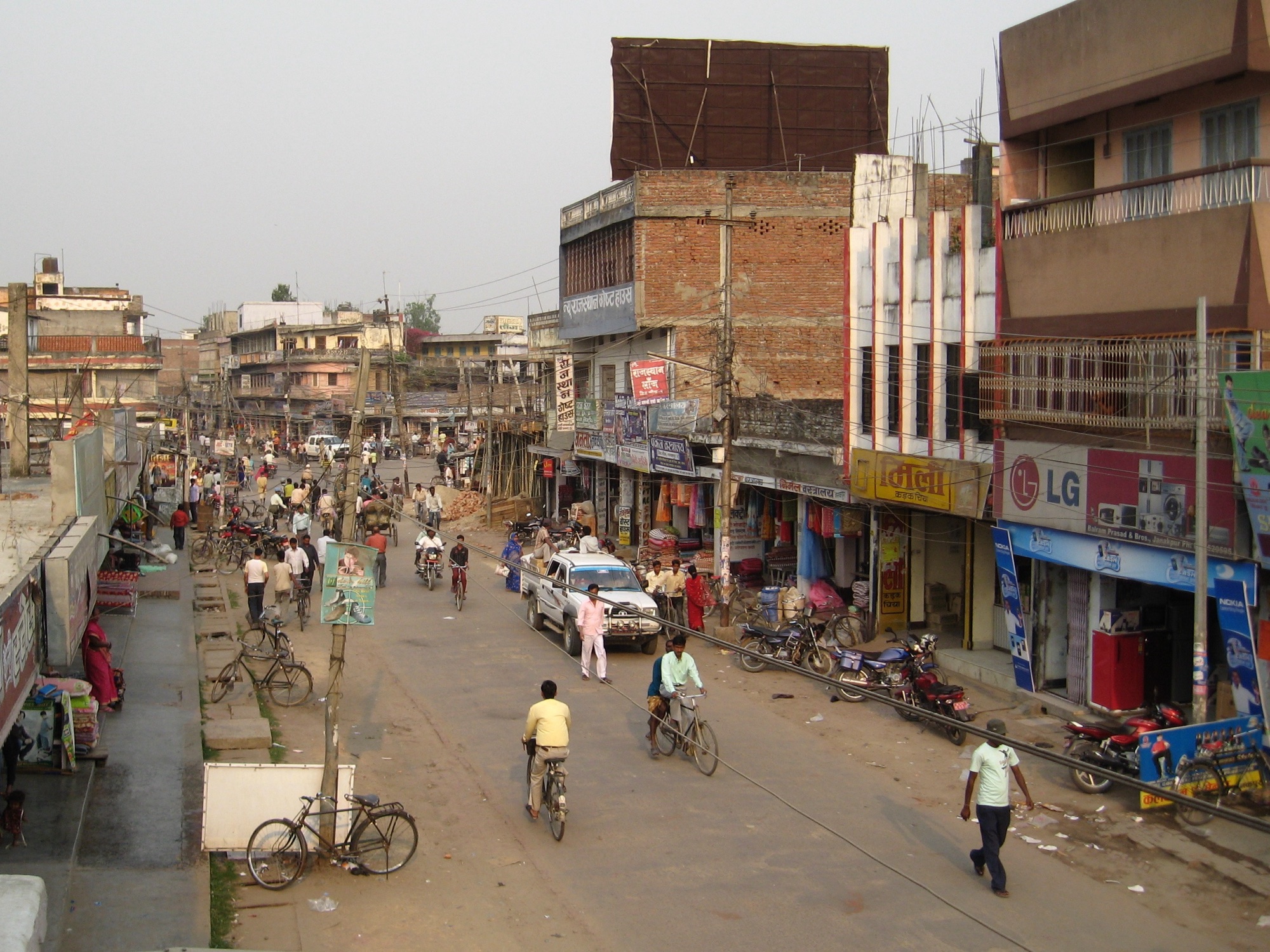
On land in Birtamod that a 1964 government notice set aside for tea, there is now a bus park, an engineering college, more than two dozen hotels and about 400 households living on some 1,153 plots, Republica reported. Nepal News reported that about 70 bighas of Giri Bandhu Tea Estate were sold in the early 2000s. The rest of the estate, in a town with some of the highest land prices in Koshi Province, The Kathmandu Post reported, has been the subject of a five-year legal fight over whether it can be traded for cheaper land elsewhere.
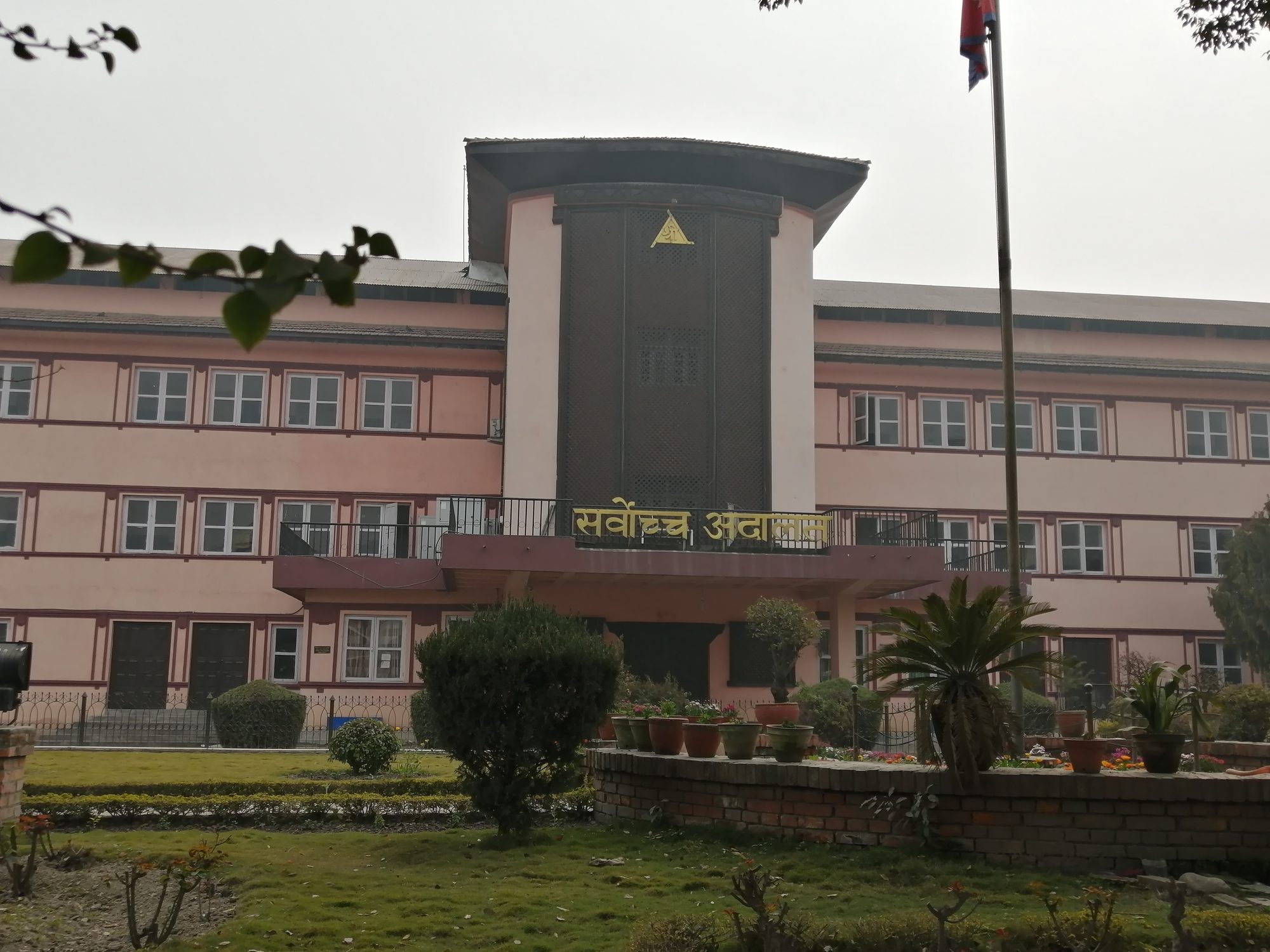
The Supreme Court said no in February 2024 and told the government to take into state ownership any surplus land not used for tea. More than two years later that order had not been meaningfully carried out, and a contempt petition against the government that ordered the swap was still pending, the news site Nepal News reported in May 2026. No criminal charges have been filed over the swap, the site reported.
A tea garden older than the land ceiling
Giri Bandhu was started in the early 1960s by four Giri brothers and formally registered in 1963, Nepal News reported. Its chairman, Chhatra Giri, told The Annapurna Express that the company was established on family-owned land.
The estate's size became a legal question after Nepal's Lands Act of 1964, the land reform law that caps how much land a person may own. In the Tarai, the southern plains where Jhapa lies, an individual may hold up to 10 bighas, Land Management Minister Balram Adhikari told a parliamentary committee in July 2025, Khabarhub reported. A bigha in the plains is about 0.68 hectares, so the cap is roughly 6.8 hectares. On 25 December 1964 a notice in the Nepal Gazette exempted the estate's land from the ceiling on condition that it continued to operate as a tea estate, Nepal News reported. The recorded area was 343 bighas, 19 kattha and 12 dhur, about 233 hectares, according to the site.
Tea remains a significant business in Jhapa. Nepal produces about 26,379 tonnes of tea a year on 20,237 hectares, The Kathmandu Post reported, and most of it is CTC tea, the lower-cost type grown in the hot plains of Jhapa. Nepal exports about half its CTC tea and some 90% of its orthodox leaf tea to India, and in the 2022/23 fiscal year it shipped 16,594 tonnes worth Rs 3.93bn, about $25m, the Post reported. For more on the trade, see our report on tea exports and India's testing rules.
How the swap was meant to work
In January 2020 the government led by KP Sharma Oli amended the land law to create a route for companies holding land above the ceiling to exchange it, the Post reported. Nepal News said the amendment allowed such land to be relocated, exchanged or sold to pay company liabilities.
On 26 April 2021 the Oli cabinet approved the estate's application to exchange 343 bighas, 19 kattha of land in Jhapa for plots elsewhere in what is now Koshi Province, The Kathmandu Post reported. Nepal News said the replacement land was to come from Kachankawal and Jhapa rural municipalities, where land is far cheaper.
The estate has set out its reasons. Chhatra Giri told The Annapurna Express in June 2024 that the expansion of the Birtamod market around the garden had damaged the soil and cut tea output by 70%, hurting workers, and that the company applied for the swap under local pressure. He rejected claims on social media that the government had given the estate free land, saying the property is privately owned, the paper reported.
Critics saw it differently. In August 2021 the Supreme Court barred the decision from being carried out while it heard the challenge, The Kathmandu Post reported, and a parliamentary committee directed the government to halt it, Nepal News reported.
The court's answer, and what has happened since
Three advocates, Om Prakash Aryal, Om Prakash Mishra and Bhakta Raj Bharati, petitioned the Supreme Court. On 7 February 2024 a five-member constitutional bench led by Chief Justice Bishowambhar Prasad Shrestha quashed the cabinet decision, holding that it contravened section 12(c) of the Lands Act 1964, The Kathmandu Post reported. Aryal called it a precedent against "policy corruption", the Post reported. The ruling concerned the legality of a cabinet decision. It was not a criminal case, and it made no finding of personal wrongdoing against the estate's owners or ministers.
The full text, released in May 2024, prohibited the sale of the land, its encroachment and leaving it barren, and ordered the government to bring land used contrary to the conditions into state ownership, Ekantipur reported.
Implementation has been slow. In January 2025 the Oli government issued an ordinance amending land laws, and Aryal filed a contempt petition on 10 February 2025 arguing that the ordinance was used instead of carrying out the verdict, Nepal News reported. On 16 February 2025 a Supreme Court division bench issued a show-cause order to the Prime Minister's Office, and said that 51 bighas transferred under a 2004 cabinet decision must be counted when the estate's ceiling is calculated, Himalpress reported.
The government tabled a land bill in May 2025 after the ordinance lapsed, The Kathmandu Post reported. In August 2025 a House committee endorsed a version requiring land acquired above the ceiling for a specific purpose to be used only for that purpose, and lawmakers cited Giri Bandhu as the cautionary case, The Kathmandu Post reported. The House of Representatives was dissolved in September 2025 after the Gen Z protests, and the land bill was among about 30 bills that lapsed, Ekantipur reported. The minister had said in July 2025 that land beyond the legal limit would become government property if the estate used it for anything other than tea, Khabarhub reported.
By May 2026 about 280 bighas remained registered in the estate's name, Nepal News reported.
What it means for business
For companies that hold land under special exemptions, from tea gardens to industrial estates, the ruling sets out a clear principle: land kept above the ceiling for a stated purpose must be used for that purpose, and if it is not, it can revert to the state, as the Supreme Court and the land minister have both put it. That principle is now written into a court judgment rather than a policy that can change with a cabinet.
For Jhapa, the question is practical. Jhapa is the main CTC tea-growing district, The Kathmandu Post reported, while the town around the estate has become one of the province's most valuable property markets. Until the government decides how much of the estate is surplus and acts on the court's order, the status of the land remains unresolved. Readers following land policy can also see our report on the new land bill for high-risk settlements.
Right of reply: this article draws on published reporting, and The Nepal Standard did not contact the people named for it. Anyone named may send a response to [email protected]; we will publish relevant replies in full or in fair summary, normally within three working days. An arrest, investigation or charge is not a finding of guilt.
How this story was made: researched and written by The Standard’s desk with AI assistance, from the published reporting and official data credited below, and checked against those sources. Our standards.
The long view Nepal's LDC graduation