Nepal drafts a land bill to move landless families out of flood-prone areas
The draft amends five land laws, bars land grants on riverbanks and in forests, and promises resettlement. It follows a 2025 land bill that stalled amid objections from political parties.
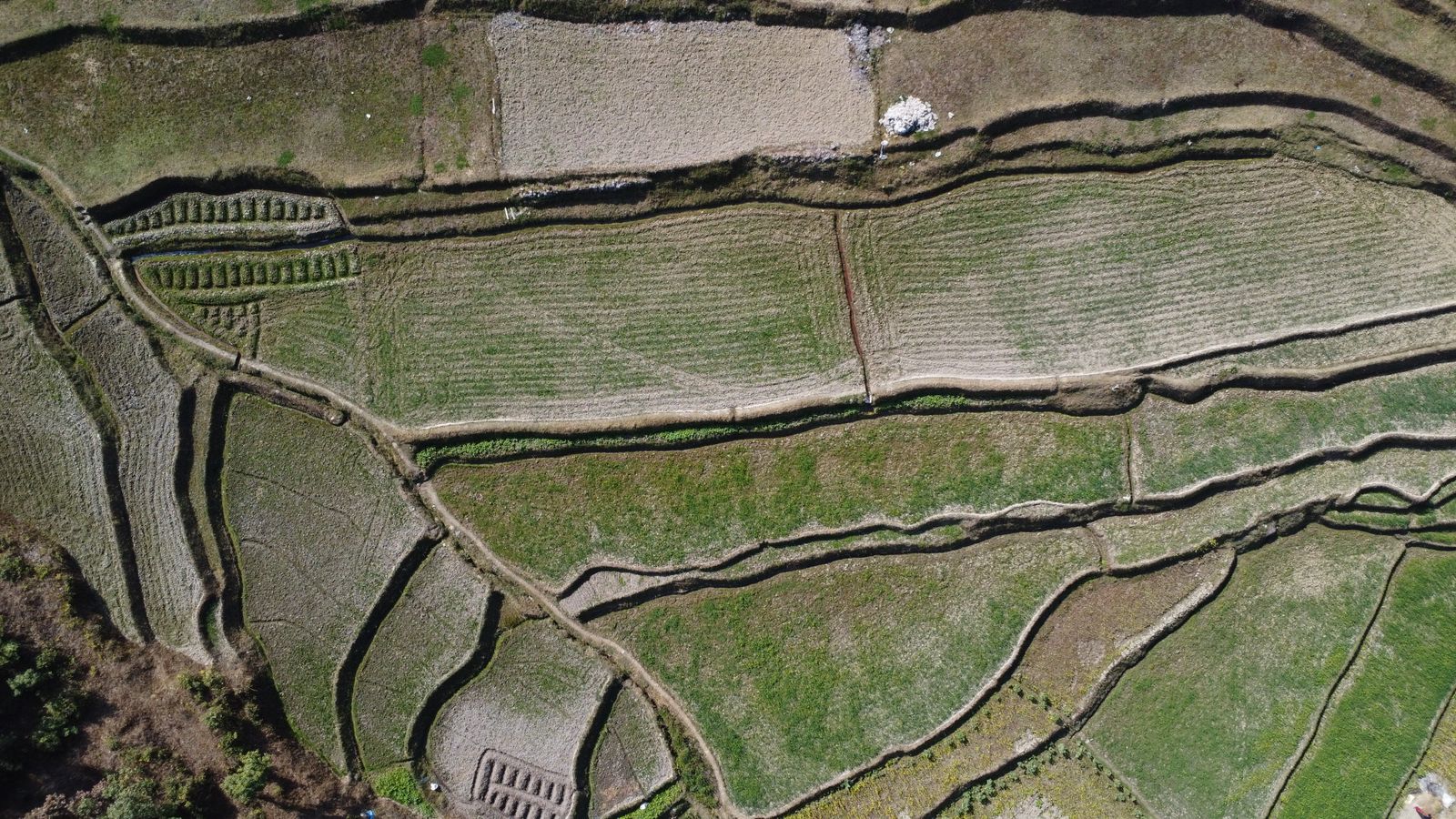
Nepal's government is trying again to rewrite its land laws, this time with the flood in mind. The Ministry of Land Management, Cooperatives and Poverty Alleviation, working with the Ministry of Federal Affairs and General Administration, has drafted the Bill to Amend Some Nepal Acts Relating to Land, 2026, Onlinekhabar reported on 7 September. It would amend the Land (Survey) Act of 1963 and the Land Act of 1964, along with parts of the Guthi Corporation Act, the Land Revenue Act and the Land Use Act.
The central new provision would require authorities to arrange alternative settlements for landless Dalits and landless squatters living in high-risk places: along riverbanks and lakes, inside national parks and conservation areas, in forests, within road rights-of-way and in other areas prone to disaster. Land in those categories would no longer be available for distribution to landless people.
A large queue
The numbers involved are large. The Land Issues Resolution Commission has received 1,096,670 applications, Onlinekhabar reported: 87,995 from landless Dalits, 166,060 from landless squatters and 842,615 from unorganised settlers. There has been no comprehensive assessment of how many of them live in places exposed to disaster, and the bill would require a risk assessment before land is allocated.
There is an exception. People who have lived on and cultivated land recorded in the original survey as grazing grounds, fairgrounds or market areas for at least ten years could still receive ownership certificates, subject to conditions and a decision by the local government. The bill would also hand some land services, including registration work, to local governments, with the stated aim of cutting time and cost for users.
What the draft does not say is how relocation would work. It does not specify who decides whether a settlement is high-risk, where families would go, how land would be acquired, or how housing and livelihoods would be provided, Onlinekhabar reported. It would allow federal and district committees to identify beneficiaries and potential land. Officials told the outlet that details could be settled during the legislative process.
Ashok Kumar Chaudhary, who chairs the House Agriculture and Natural Resources Committee, told Onlinekhabar that relocating people from danger was a constitutional duty of the state, but that landless and vulnerable people must not be made landless again "in the name of removing them from high-risk areas".
The last attempt
The draft has a difficult history behind it. In January 2025 the President issued a land ordinance on the government's recommendation; the House did not pass a replacement bill, and it lapsed at the end of March, Republica reported. The government then tabled a new bill on 6 May 2025 that, among other things, exempted ongoing real estate businesses from landholding ceilings while still restricting the sale of land above the ceiling, according to Republica and Himal Press. That bill was removed from the House agenda in July 2025 after objections from senior leaders of the Nepali Congress, then a governing party, who wanted amendments so that land granted for farming, industry, education or health could not be turned to housing or real estate, The Kathmandu Post reported via Asia News Network.
The earlier bill was discussed clause by clause in committee but became inactive when the House was dissolved on 12 September 2025, Onlinekhabar reported. The new draft keeps many of its provisions while adding the relocation requirement. Reports on the draft have not set out whether the earlier treatment of real estate companies survives.
The process is long. The draft was published for seven days of public comment on 31 August. It must then pass through the law and finance ministries and the cabinet before it is registered in Parliament and passed by both houses.
What to watch: whether the cabinet approves the draft and in what form, how the bill defines high-risk land and who decides, and whether provisions on landholding ceilings and real estate reappear.
How this story was made: researched and written by The Standard’s desk with AI assistance, from the published reporting and official data credited below, and checked against those sources. Our standards.