Why Nepal's factories run at less than half their capacity
Cement kilns idle, steel mills lose their Indian market and new factory registrations fall. Manufacturing now makes up less than 6% of the economy.
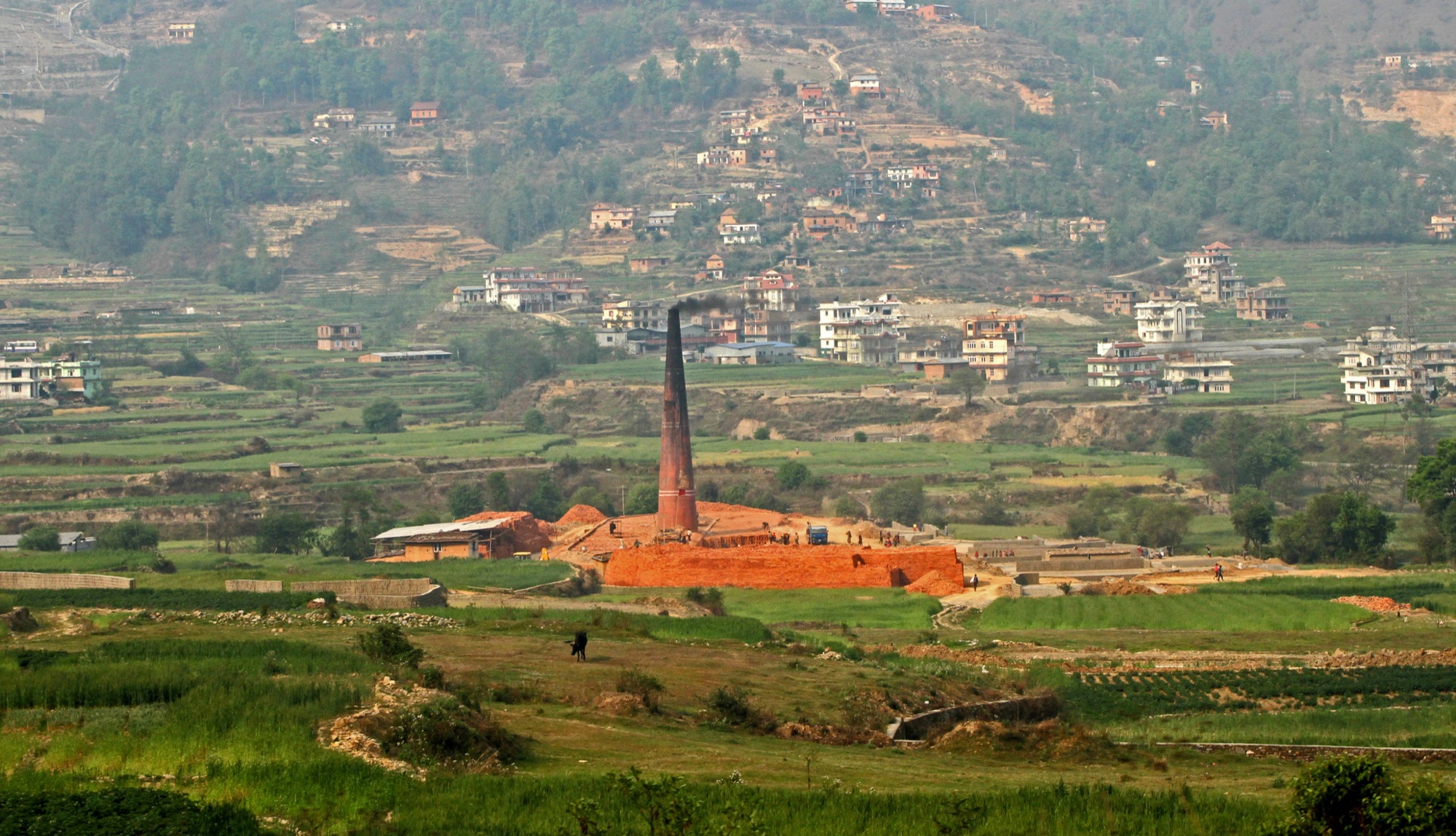
Nepal has built far more factory capacity than it uses. In the first half of the last fiscal year, from mid-July 2025 to mid-January 2026, the average Nepali factory ran at 42.11% of capacity, down from 42.94% a year earlier, according to a Nepal Rastra Bank survey reported by the Kathmandu Post. The spread is wide. Tyre and tube makers ran at about 91%; vegetable ghee plants at just over 1%.
Manufacturing's share of the economy is now below 6%, compared with about 10% three decades ago. For a country that wants jobs at home rather than in the Gulf, that is a problem.
Cement: built for a boom that ended
Cement shows the pattern most clearly. The Nepal Manufacturing Association counted 65 cement plants in 2023, 23 of them integrated plants that make their own clinker and 42 grinding units that rely on bought-in clinker. Domestic consumption was about 8m tonnes in 2024. Capacity was built during years when government infrastructure spending, post-earthquake reconstruction and a property boom suggested demand would keep rising.
It did not. Weak government capital spending and the slowdown in private construction cut demand. Exports to India, briefly a safety valve, have dried up: Arghakhanchi, Sarbottam, Palpa and Balaji Cement all stopped exporting in November 2024, in part because Indian standards certification applications filed in 2022 had not been completed, according to Spotlight. In Koshi province 13 plants temporarily shut down, and those still running in Jhapa were operating at about a quarter of capacity. The two largest producers, the Nepal-China joint venture Hongshi-Shivam and CG Cement, can between them supply about half of national demand, leaving smaller grinding units squeezed between expensive clinker and falling prices. In June 2025 the government closed the state-owned Udayapur Cement, weeks after it had reopened at half capacity.
Steel: locked out of India
Steel makers bet on India and lost. Nepal's iron and steel exports fell to Rs 2.34bn in the first eight months of FY 2025/26, from Rs 16.35bn a year earlier, the Kathmandu Post reported in April. The cause was a three-year safeguard duty imposed by India on selected steel products, starting at 12% and falling to 11%, on top of earlier Indian standards certification requirements. Manufacturers estimated their lost earnings at around Rs 14bn (about $90m). The episode shows the limits of building export capacity that depends on a single neighbour's trade policy. Overall goods exports rose by about 21% in the same period, but that was driven by other products.
Fewer new factories
The appetite for new manufacturing is weakening too. Only 461 industries registered in the first half of FY 2025/26, 120 fewer than a year earlier. Growth in lending to industry slowed to 7.99%, from 17.66%, although outstanding industrial loans still total Rs 1.78trn (about $11.5bn). Business leaders cite policy uncertainty, difficulty acquiring land, forest-clearance rules, labour problems and weak demand. Uncertainty over industrial land leases affects about 700 enterprises. Some entrepreneurs also told the Post they were reluctant to invest while law-enforcement scrutiny of business people had intensified, a theme our editorial on arrests and the investment climate has addressed.
What would help
The causes are structural, so the remedies are slow. Government capital spending, which drives demand for cement and steel, has repeatedly fallen short of budget. Consolidation in cement, where many small plants compete for a fixed market, is likely regardless of policy. Steel makers need either relief from Indian duties or new products and markets. And the broader problem of factories running at half speed will persist while banks, as we have reported, are flush with money nobody wants to borrow. Capacity is not what Nepal's manufacturers lack. Customers are.
How this story was made: researched and written by The Standard’s desk with AI assistance, from the published reporting and official data credited below, and checked against those sources. Our standards.
The long view Nepal's LDC graduation