Yarsagumba prices fall by half as Nepal's herb trade shifts to humbler plants
Bulk prices for the caterpillar fungus have slid from Rs 3.2m a kilo before the pandemic, and harvests keep shrinking. Lowland herbs sold to India are growing instead.
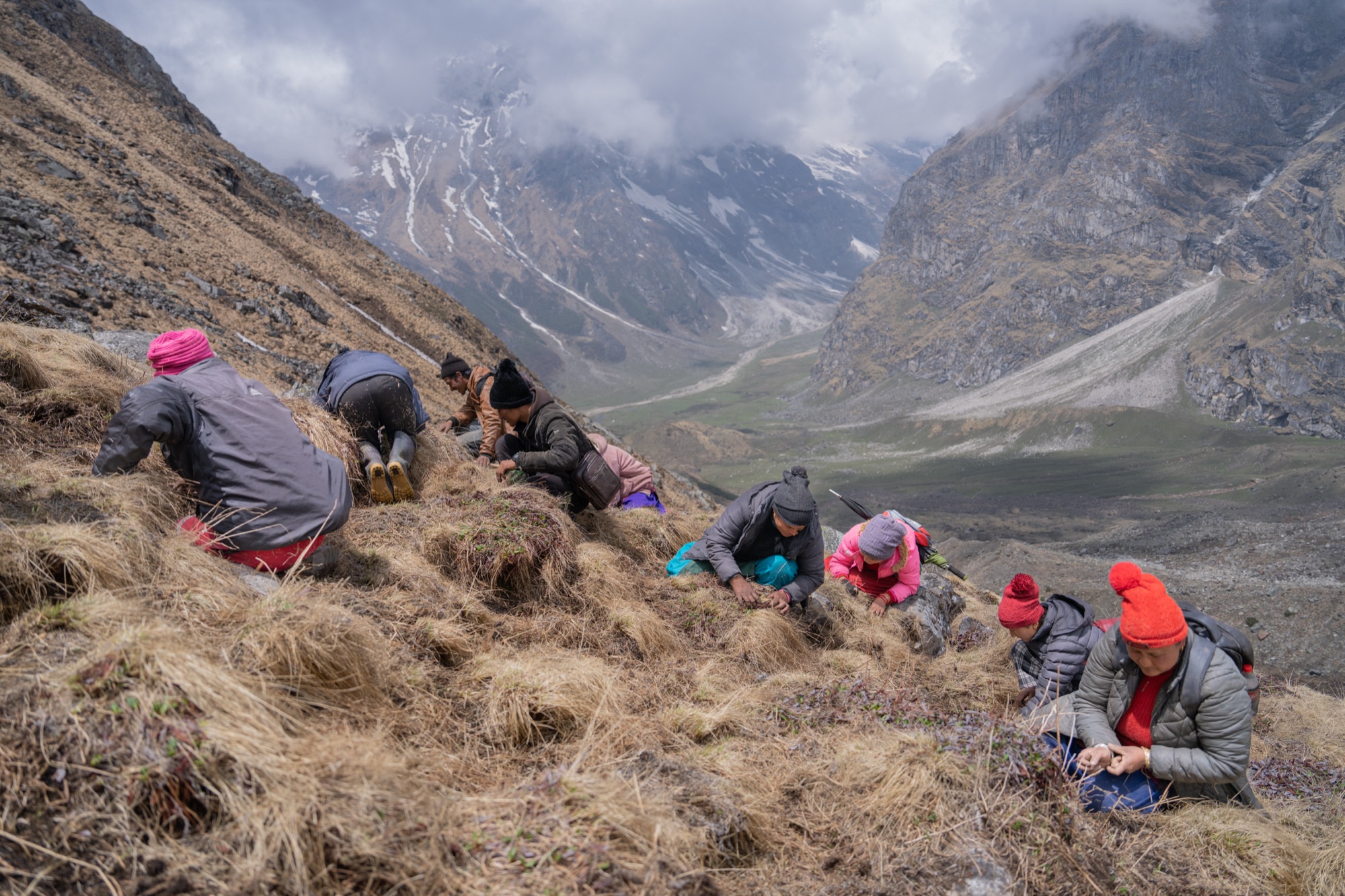
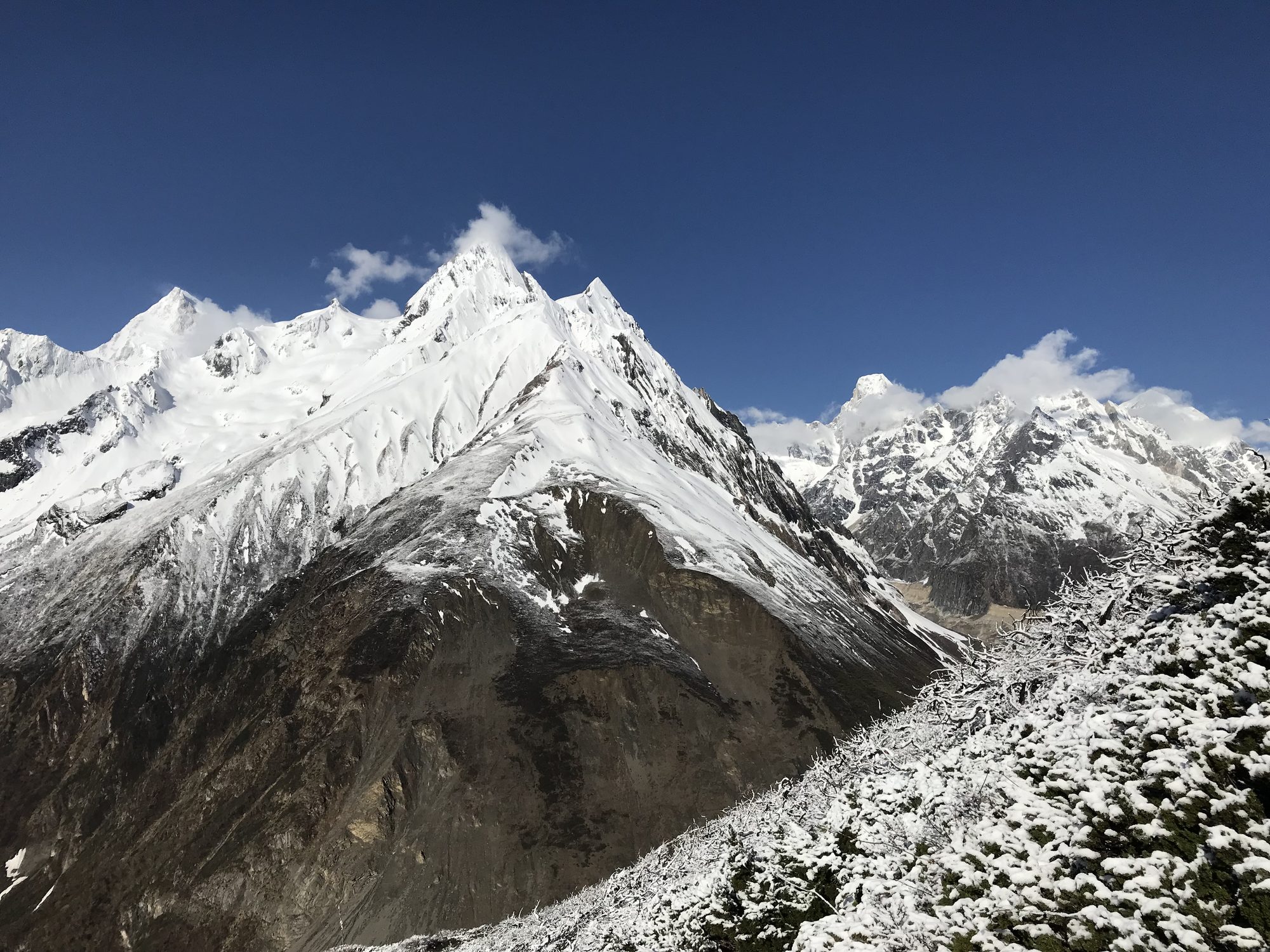
For two decades yarsagumba, the caterpillar fungus prized in Chinese medicine, was the most valuable thing a family in Nepal's high pastures could pick. This year it paid far less. Bulk prices were estimated at Rs 1.6m to Rs 1.8m a kilogram (about $10,000 to $11,600), down from Rs 2.4m last year and Rs 2.7m two years ago, The Kathmandu Post reported in July. In September the paper put the pre-pandemic price at Rs 3.2m a kilo. Collectors sold fresh pieces to local traders for Rs 700 to Rs 1,000 each.
The Post attributed the slide to falling demand from China, where domestic production has reduced the need for imports, and to declining yields and quality from overharvesting and environmental change.
Fewer pieces, fewer permits
The harvest is shrinking along with the price. Karnali Province produced 494 kilograms last year, against 1,609 kilograms in 2018/19, and this year's output was estimated at 300 to 450 kilograms, The Kathmandu Post reported in September. A July report by the same paper gave a higher figure for last year, of 941 kilograms, against 2,414 kilograms in 2018/19; both series show the harvest falling by well over half in less than a decade.
Transport permits, which traders need to move the fungus out of collection areas, tell the same story. In Mugum Karmarong, where traders took permits for 107 kilograms last year, none had applied by July, the Post reported. In Shey Phoksundo National Park in Dolpa, permits covered only 20.5 kilograms by then, and no trader had sought permits from the six national forests outside the park, which had issued permits for 192 kilograms the year before.
For collectors the arithmetic has turned harsh. About 10,000 people went to the pastures this year, the Post reported in September. Of roughly 4,000 who entered Mugum Karmarong, about 70% left early, it reported in July. Families interviewed by the paper earned Rs 120,000 to Rs 150,000 after spending Rs 50,000 to Rs 60,000 to reach the meadows. The work is also dangerous: 78 collectors have died and 106 have been injured or fallen ill since 2014, the Post reported.
The quieter trade grows
Lower down, a different herb trade is expanding. Herbs worth Rs 461.3m, weighing 1.42m kilograms, were exported through the Nepalgunj customs point in the first eight months of 2025/26, The Rising Nepal reported in April. FreshPlaza, citing the same paper, reported a 33% rise on the year for the first seven months. The main products are timur, the Himalayan pepper, together with kaulo, satuwa, bojho, cinnamon and amala, and about 85% of Nepal's herb exports go to India. Exporters told The Rising Nepal that a 100% export tax was holding back sales of pine resin.
Nationally, herbs worth Rs 2.4bn were exported in 2024/25, B360 reported, citing the Trade and Export Promotion Centre. About 90% leave in raw form. The Department of Plant Resources has identified 819 herb species, 33 of them prioritised for development and about 120 under cultivation, the outlet reported, and officials and business groups argue that processing and branding at home would raise the value of what is sold.
What to watch
Customs data for 2026/27 will show whether the lowland herb trade keeps growing while yarsagumba fades. For the high districts of Karnali, the question is what replaces the income a family used to earn in a few weeks of picking each spring, and whether next year's season draws as many collectors after this one.
How this story was made: researched and written by The Standard’s desk with AI assistance, from the published reporting and official data credited below, and checked against those sources. Our standards.
The long view Nepal's LDC graduation