Polygon's Nailwal says Nepal should capitalise on the AI boom
A blockchain founder wants to turn Nepal's hydropower into exported computing power, and says investments running to hundreds of millions of dollars could follow.
A founder of one of the best-known Ethereum scaling networks was looking at India for data centres and payment projects. A banking contact then pointed him towards Nepal, and the pitch he now makes is about electricity. Sandeep Nailwal, co-founder of the Polygon network, who describes himself as "extremely humble, but madly ambitious", was introduced to the idea by Pravesh Rijal, a senior fintech executive and Polygon's global banking partner. After meeting the Finance Minister during a visit to Nepal, Nailwal told the interviewer, he instructed his team to speed up its timeline.
The proposition is simple to state. Nepal, Nailwal argues, should stop selling electricity at commodity prices and instead use it to power data centres, then sell the computing capacity over the internet. It matters beyond Nepal because AI infrastructure is expanding globally, and he expects demand for green energy to rise with it.
Who is making the pitch
Nailwal is executive chairman of Polygon Labs, working alongside chief executive Marc Boiron. His career in blockchain began with Bitcoin in 2013. In late 2017 he joined Jaynti Kanani and Anurag Arjun to found Matic Network, the precursor to Polygon, which was built to help Ethereum scale. Mihailo Bjelic joined in 2021.
The plans for Nepal centre on AI infrastructure, data centres and payment systems, in partnership with large banks. CRB Bank is described as a major global partner. Nailwal says the projects could easily reach hundreds of millions of dollars in foreign direct investment.
Those are stated ambitions. The interview gives no site, budget, licensing path or date for a first investment. His earlier plan was one to two years of exploring investments and backing startups; the Finance Minister's emphasis on speed has, in his account, brought that forward. The account of the meeting is Nailwal's own.
The energy-to-compute argument
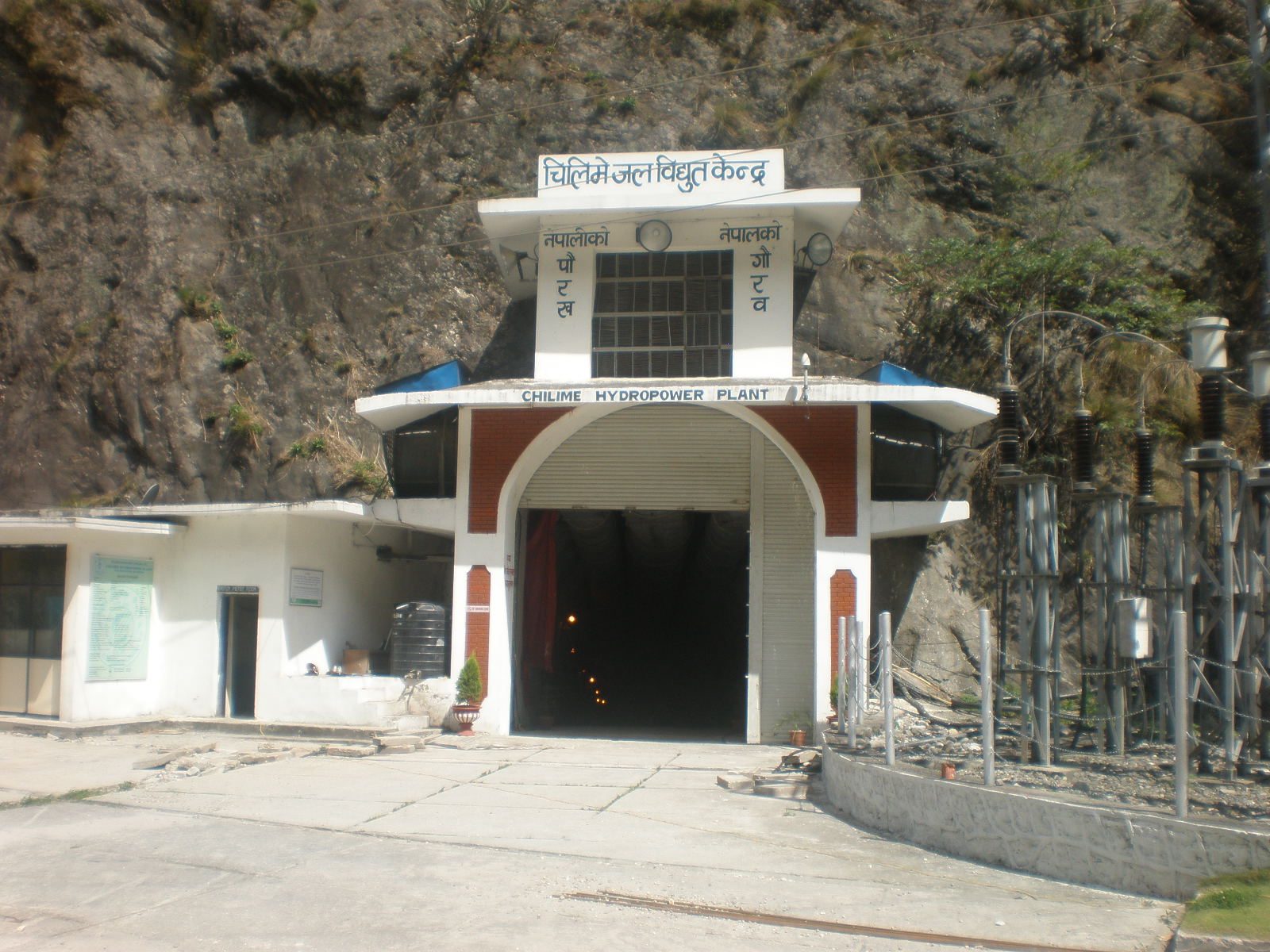
The logic runs through hydropower. Nepal's abundant green energy and its geography make the opportunity enormous, Nailwal argues. Most opposition to data centres elsewhere, in his view, stems from their reliance on non-renewable power. Run on renewable energy, they can be among the more beneficial uses of electricity for local communities.
- 1Hydropower generated in Nepal
- 2Powers data centres
- 3Computing capacity sold over the internet
- 4Some capacity offered to Nepali startups at discounted rates
Source: Nailwal interview
The appeal for a landlocked economy is that computing can be exported without trucks, ports or border crossings. It also moves value up the chain: the same unit of electricity could earn more as computing than as a raw commodity, if buyers can be found.
Nailwal puts numbers on the upside. Over two to five years, he says, computing alone could add several percentage points to GDP and lift total exports by 50% to 100%. These are his own projections and are best read as an investor's opening position.
Source: Nailwal interview
What it would take
The sources do not address practical conditions, so what follows is analysis. A data centre sells reliability above all. Buyers of computing capacity need uninterrupted power, dependable international bandwidth and clear contracts, so Nepal would have to show that power can be dedicated to such users at predictable prices.
The second condition is regulation. Nailwal says dozens of governance laws are being updated to make the environment friendlier to business, and he credits a strong mandate for the government's ability to move. That impression comes from his meeting with the Finance Minister. Investors will want to see the actual amendments.
The third is demand. Computing capacity is a global market with large incumbents, so a new location has to win customers on price, latency or the appeal of clean power. Nailwal's argument rests on the last of these. It is plausible but untested in Nepal.
Payments and the startup angle
Polygon's focus in Nepal is payments, not cryptocurrency. The company uses stablecoin technology and its open Polygon Money Stack, working with banks to support regulated payment businesses. On anything directly tied to cryptocurrency, Nailwal says, it respects the country's laws and leaves policy to the government.
He also describes a domestic benefit. Under the proposal, Nepali entrepreneurs and companies would get computing capacity at discounted rates, which he says could help local startups grow and create technical jobs. He urges Nepali founders to build for international markets, and cites a team in Mumbai with a Nepali co-founder developing payment and remittance applications for Latin America.
The link to Nepal began with disaster relief. A cryptocurrency-based campaign raised approximately $275,000, with CRB Bank helping bring the funds into the country in compliance with local law. The money is being repatriated to the Prime Minister's Disaster Relief Fund. Broader conversations about investment followed, Nailwal says.
What to watch
- Whether Polygon and its partners name a site, a power arrangement and a first-phase investment figure, and whether CRB Bank's role is formalised.
- Whether the legal changes Nailwal describes are published, and how they treat foreign investors in data infrastructure.
- Whether the approximately $275,000 reaches the Prime Minister's Disaster Relief Fund.
- Whether Nepali startups receive discounted computing capacity.
How this story was made: researched and written by The Standard’s desk with AI assistance, from the published reporting and official data credited below, and checked against those sources. Our standards.
The long view Nepal's hydropower, from load-shedding to exports
The long view Nepal's LDC graduation