Nepal's hydropower, from load-shedding to exports
How Nepal went from daily power cuts to selling electricity to India and Bangladesh, and what has tested that surplus.
Investment Board Nepal and GMR Energy signed the project development agreement for the 900 MW Upper Karnali project, giving GMR two years to reach financial closure.
The Annapurna ExpressKulman Ghising became managing director of the Nepal Electricity Authority. Scheduled power cuts had run for nearly a decade and reached up to 18 hours a day, according to the Kathmandu Post.
The Kathmandu PostThe Kathmandu Valley had no load-shedding during the Tihar festival, which the electricity authority's chief called a first step towards ending scheduled power cuts.
The Kathmandu PostThe electricity authority ended load-shedding for industries, about a year after households, and Ghising said the whole country was free of load-shedding.
The Kathmandu PostPrime Minister KP Sharma Oli inaugurated the 456 MW Upper Tamakoshi project, and its first unit came into operation.
The Himalayan TimesUpper Tamakoshi began full commercial production of 456 MW.
ShareSansarIndia allowed Nepal to sell surplus power on its energy exchange for the first time, starting with 39 MW. Nepal had joined the market in April 2021 but could only buy.
Online Khabar EnglishNepal and India signed an agreement for Nepal to export 10,000 MW of electricity to India over ten years.
B360 NepalNepal, India and Bangladesh signed an agreement for Nepal to export 40 MW to Bangladesh through India's grid from 15 June to 15 November each year for five years, at 6.4 US cents a unit.
The Week (PTI)Nepal exported 40 MW of electricity to Bangladesh through India, its first sale of power to a country other than India.
The Week (PTI)Nepal resumed exporting 40 MW to Bangladesh under the five-year agreement, after Bangladesh opened a delayed letter of credit.
The Kathmandu PostNepal earned Rs 17.46 billion (about $113 million) from exporting 2.38 billion units of electricity to India and Bangladesh in the fiscal year to mid-July 2025.
Spotlight NepalPhysical progress on SJVN's 900 MW Arun-3 project reached 74.61 per cent. The project is estimated to cost Rs 144 billion (about $930 million), and Nepal is to receive 21.9 per cent of its electricity free.
EkantipurNepal reported export earnings of Rs 29.32 billion (about $189 million) for the fiscal year to mid-July 2026 and a net electricity trade surplus of Rs 18.76 billion, up from Rs 4.53 billion the year before.
The Kathmandu PostA flood on the Bhotekoshi river in Rasuwa hit 11 hydropower plants and a solar plant, cutting 431.1 MW from the national grid. Affected plants included Rasuwagadhi (111 MW) and Upper Trisuli 3A (60 MW).
B360 NepalAfter the flood, India's Ministry of Power said it would supply Nepal with up to 654 MW for 18 hours a day until 31 December.
Al Jazeera
How this timeline was made: compiled by The Standard’s desk with AI assistance from the sources linked under each event, and checked against them. Allegations are allegations; an arrest or charge is not a finding of guilt. Spotted an error? Write to [email protected].
Our reporting

Nepal's power exports hit a record, then the flood tested the surplus
Electricity sales to India and Bangladesh earned Rs 29.3bn (about $189m) last year. The August flood has shown how thin the margin behind that number is.
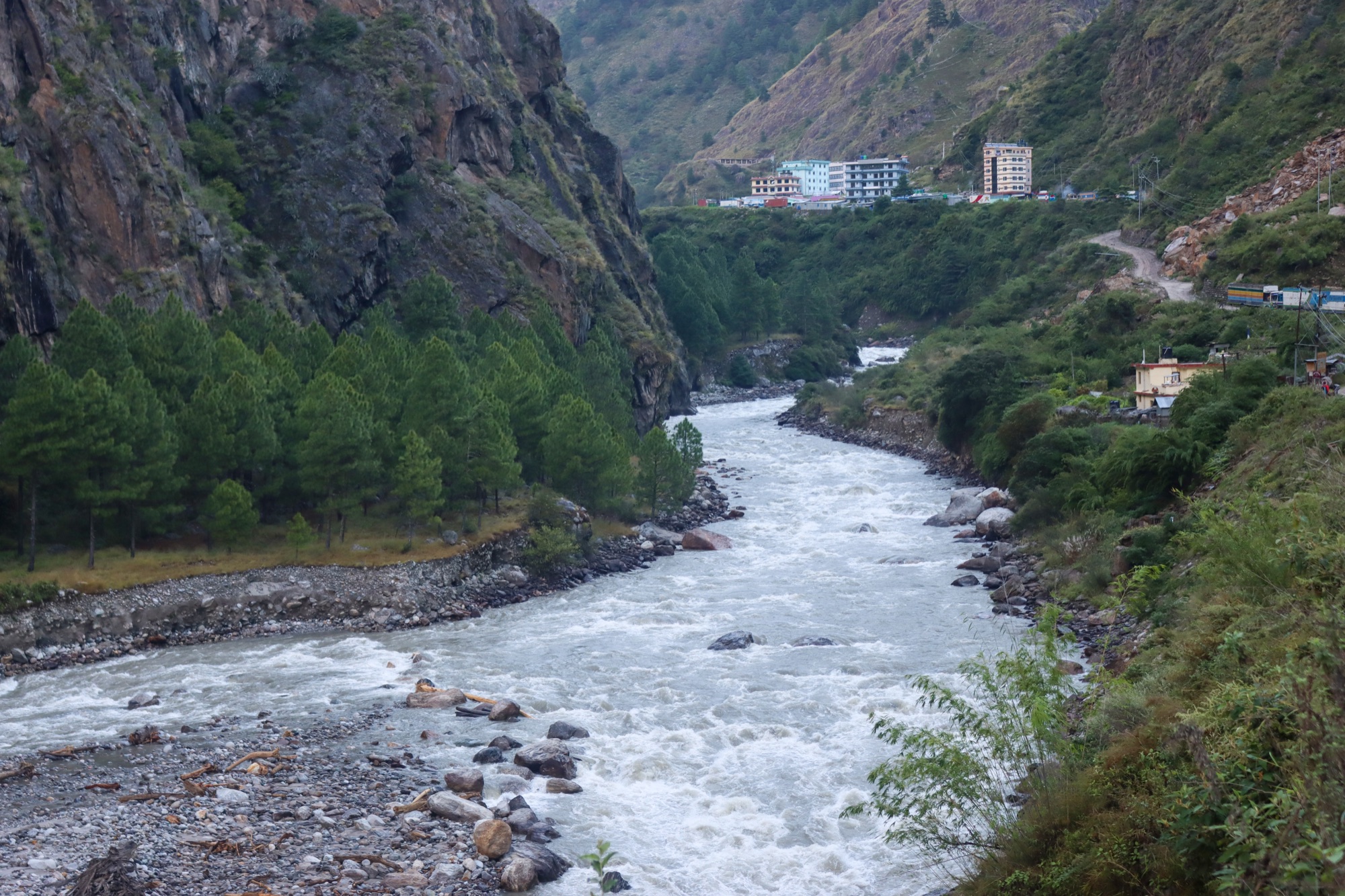
The Rasuwa flood that switched off a tenth of Nepal's power
A surge from Tibet wrecked hydropower plants, cut the main China trade route and cost Nepal a growth forecast.
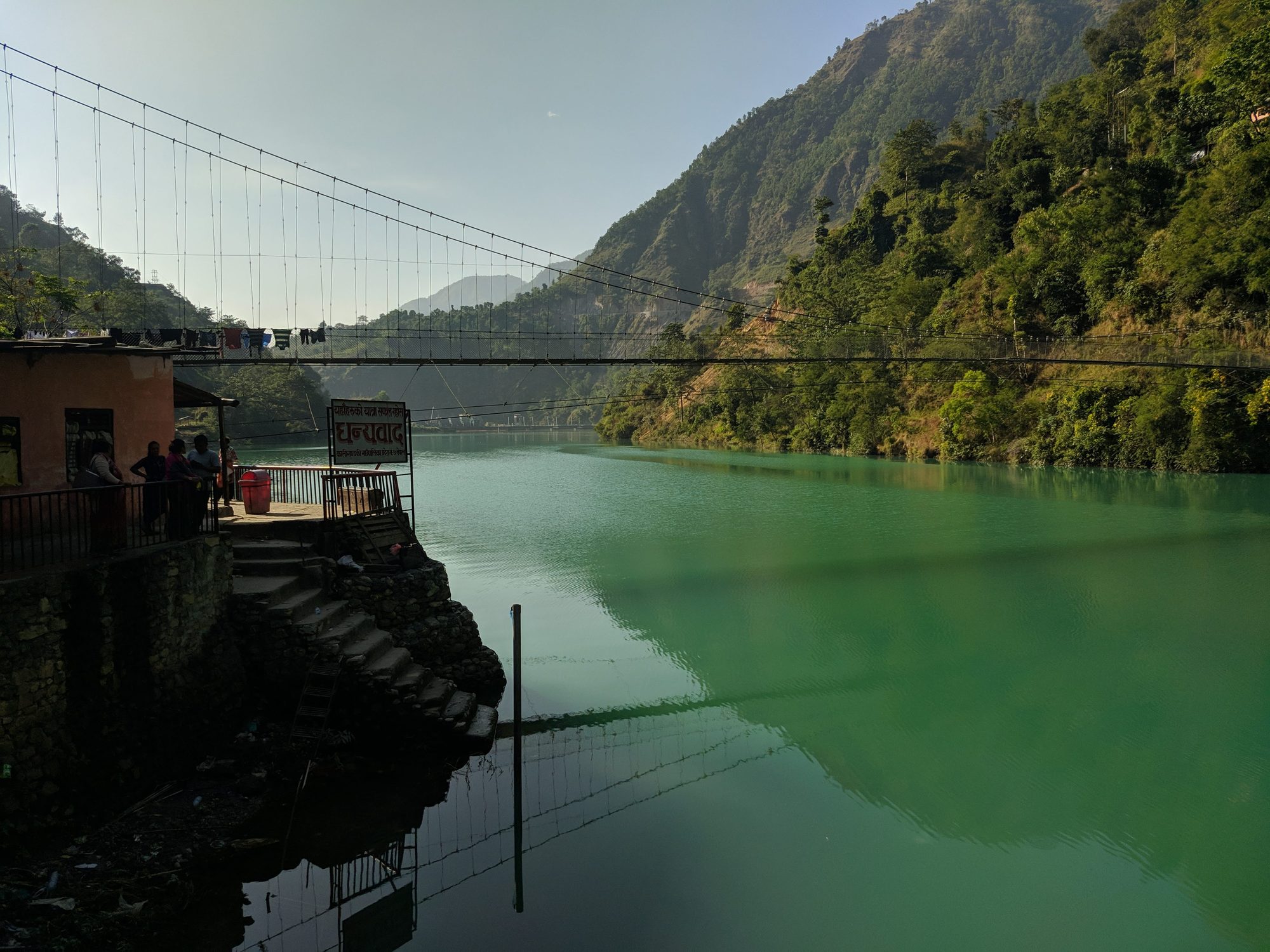
Nepal opens its grid to private power traders, at a price they call too high
The regulator's first wheeling charge ends the state utility's monopoly on paper. India's rules and the economics of trading may keep it alive in practice.
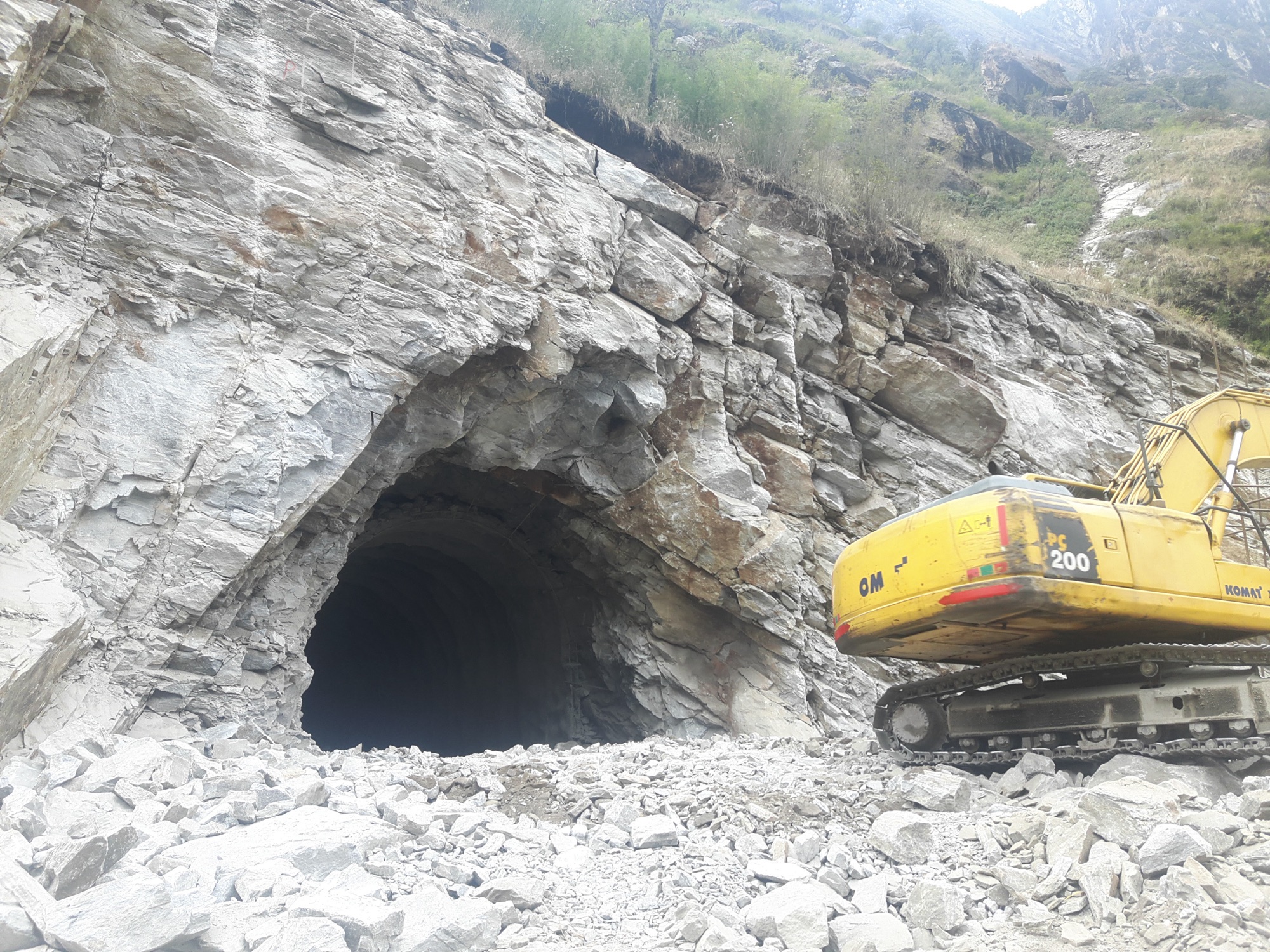
Nepal clears two hydropower projects and targets 2028 for Arun-3
The Investment Board approved Rs 21.17bn (about $137m) of semi-reservoir schemes and pressed the two 900 MW giants to move, but approvals have rarely been Nepal's problem.