Nepal's priority exports rise 23.85% in a quarter
High-value exports grew by almost a quarter in the first quarter of 2026/27, but India's duties and thin processing limit the gains. Separately, grain imports through Birgunj fell sharply.
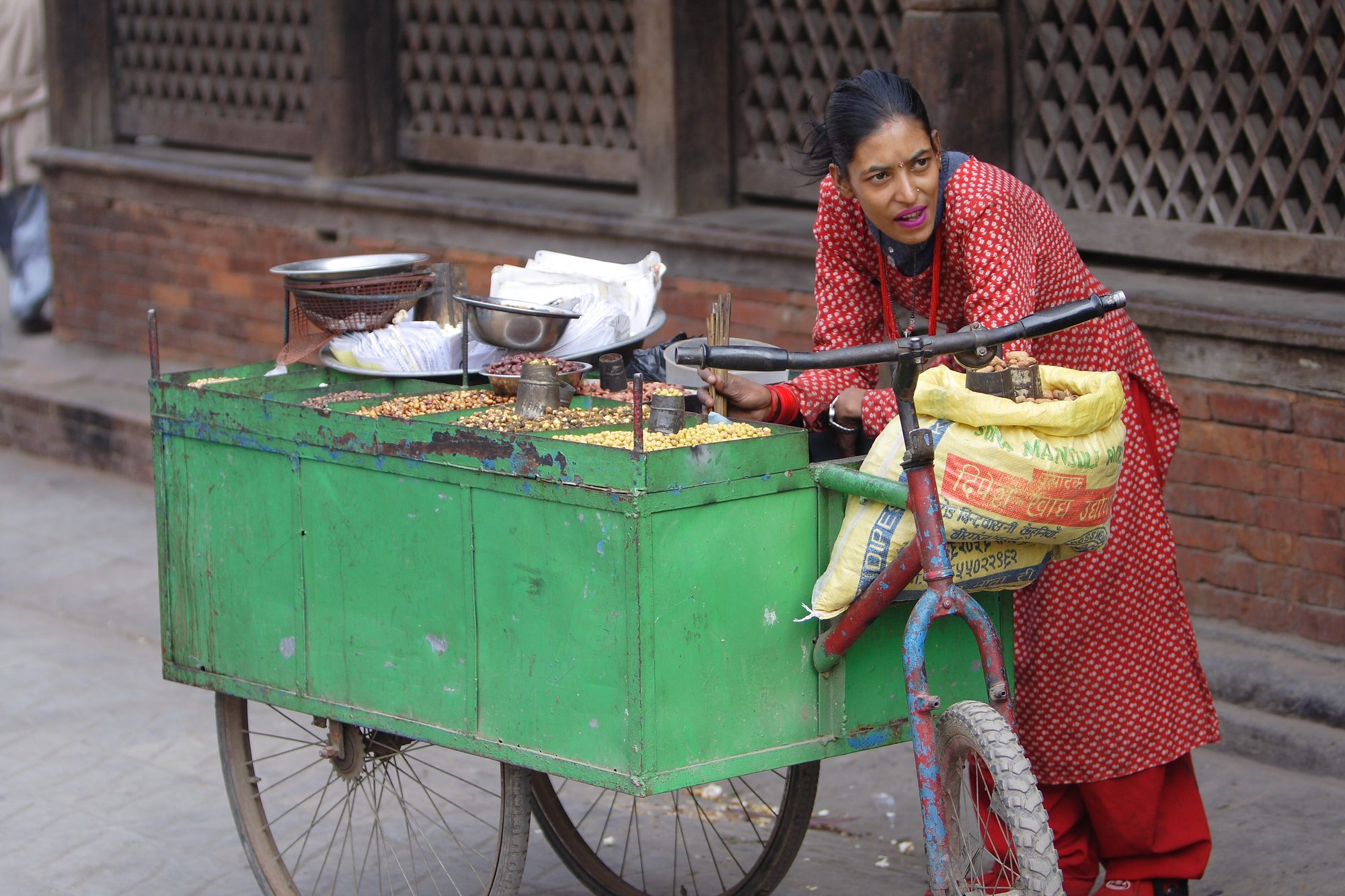
Edible oils, palm, soyabean and sunflower, brought in Rs58.42bn, more than half of total exports of Rs114.28bn, and they are goods Nepal imports first and sells on.
A quarter of gains, with a caveat
Exports of products on the Nepal Trade Integration Strategy 2023, the government's priority list for overseas sales, reached Rs36.65bn in the three months, up 23.85% from Rs29.59bn in the same period of 2025/26. Total exports grew faster, by 57.03%, but the re-export of edible oils flatters that figure.
Source: The Kathmandu Post
Who is selling more
The gains were broad. Readymade garments rose by 52.68% to Rs3.83bn, with 5.85 million pieces shipped. Yarn climbed 48.74% to Rs5bn, tea 48% to Rs1.64bn, carpets 37.64% to Rs2.44bn and pashmina 29.11% to Rs3.32bn. Pasta more than doubled, up 121.94% to Rs1.58bn.
Large cardamom set a record in value, rising 53.19% to Rs2.57bn on 1,449 tonnes. Prices stayed unusually steady at around Rs2,500 per kg, which encouraged farmers to sell rather than hold stock. India buys about 99% of the crop and passes it on to Pakistan and the Middle East, where Nepali cardamom fetches a premium.
Dog chews grew 77.87% to Rs1.49bn, helped by rising demand in the United States and Canada.
- YarnRs 5bn
- Iron and steelRs 4.71bn
- Jute productsRs 3.85bn
- Readymade garmentsRs 3.83bn
- PashminaRs 3.32bn
- Large cardamomRs 2.57bn
- CarpetsRs 2.44bn
Source: Kathmandu Post data
The risk beneath the growth
Iron and steel exports surged 369.42% to Rs4.71bn, against Rs6.14bn for the whole of 2025/26. Yet they are under pressure from safeguard duties imposed by India. Jute faces a similar squeeze. India's Ministry of Finance set anti-dumping duties on hessian fabric, jute bags, and jute yarn and twine in a notification of 24 September 2026, with rates varying by product and manufacturer. Jute shipments still rose 39.91% to Rs3.85bn, but most mills are in eastern Nepal, where the duties add to the strain.
Not everything grew. Cement exports fell 34.83% to Rs419.27m, and lentils, medicinal herbs and fruits also declined.
Trade expert Rabi Shankar Sainju attributed part of the rise to higher global prices and a stronger dollar, and suggested producers may have been seeking markets beyond India. He argued that processing and packaging crops such as cardamom, ginger and medicinal herbs to international standards would have lifted sales further.
Birgunj: fewer grains coming in
A separate dataset covers Birgunj. Its customs office recorded 31.64 million kg of food grains between mid-July and mid-October 2026, against 87.047 million kg in the same period a year earlier, a fall of about 63%.
Paddy fell from 39.1 million kg to 6.935 million kg, and in value from Rs1.4628bn to Rs333.5m. Maize dropped from 33.61 million kg to 6.74 million kg, with value falling from Rs1.8013bn to Rs609.8m. Rice fell more modestly, from 9.401 million kg to 6.773 million kg, and in value from Rs898.1m to Rs700m.
The sources do not explain the drop. It could reflect harvest timing, prices or policy. Paddy, maize and rice imports together fell in value by roughly Rs2.5bn at this one border point.
What it means for traders
Birgunj is one customs point and grains are one category, so no conclusion on the overall trade balance can be drawn without national import data.
Importers and transporters handling grain at Birgunj face thinner volumes.
What to watch
Watch whether jute and steel exports hold in the second quarter of 2026/27. Watch whether grain imports at Birgunj stay low or rebound. And watch whether processing and packaging investment follows, since that is where Nepal could capture more value from crops it already sells.
How this story was made: researched and written by The Standard’s desk with AI assistance, from the published reporting and official data credited below, and checked against those sources. Our standards.
The long view Nepal's LDC graduation