Nepal inflation reaches 6.37% as food and transport costs climb
Consumer prices rose 6.37% in the year to Ashoj, the third month of fiscal 2026/27, as food swung from deflation to steep gains while wages grew faster still.
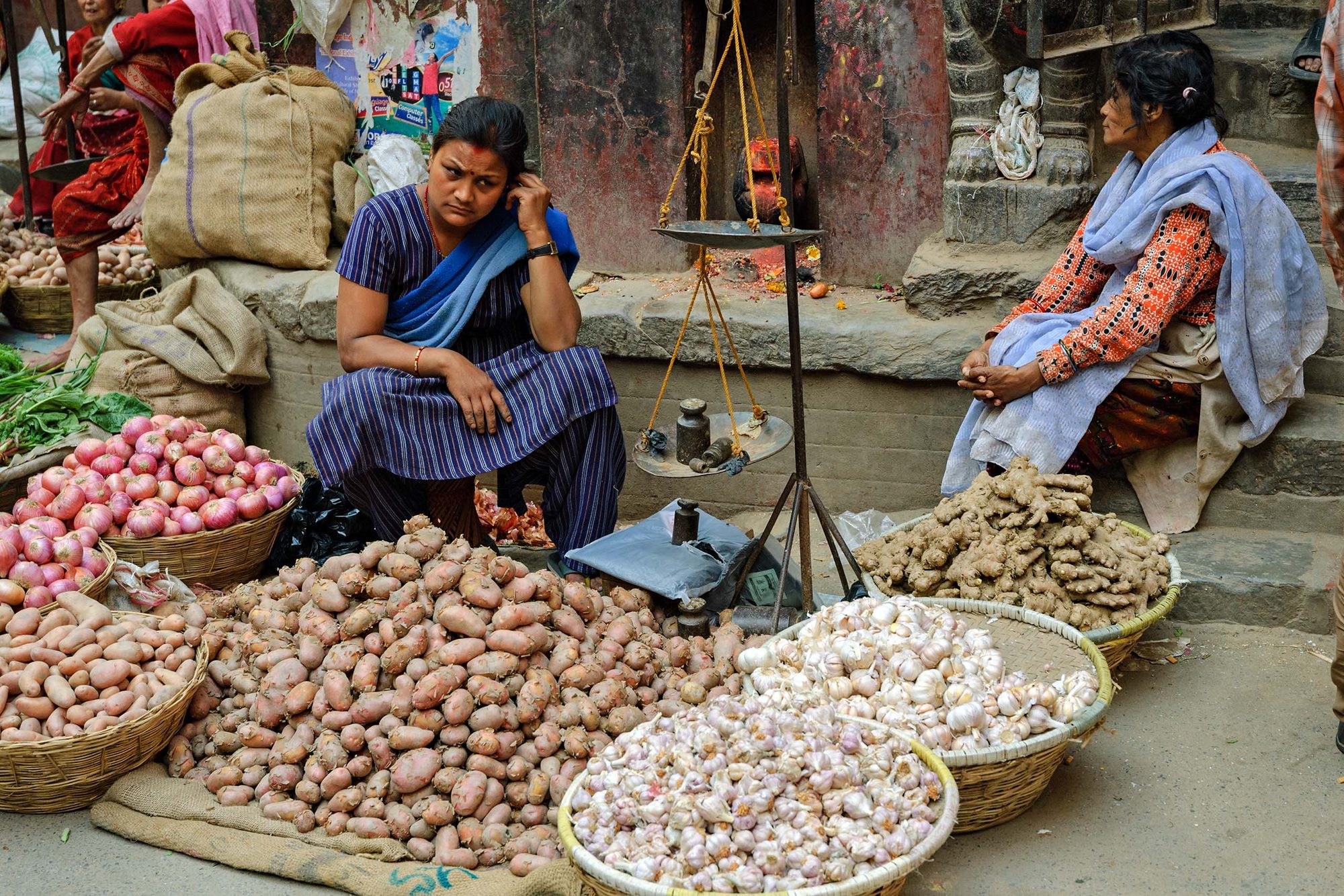
Cooking oil is the sharpest marker of how fast Nepal's prices have turned. Ghee and oil cost 16.44% more in Ashoj, the Nepali month running from mid-September to mid-October 2026, than a year earlier, the steepest rise in the food basket.
The broader food group tells the same story. Food and beverage prices were falling by 2.54% in the corresponding month of fiscal 2025/26. In Ashoj of fiscal 2026/27, which began in mid-July 2026, they were rising by 8.04%. Nepal Rastra Bank (NRB), the central bank, puts overall consumer inflation at 6.37%, against 1.47% a year earlier. For bankers, importers and anyone pricing a loan in Nepal, the question is what a rate above 6% does to the cost of money and the appetite to spend it.
A fast turn from calm to pressure
This is not a one-month blip. Wholesale inflation, often an early signal of what reaches shop shelves, stood at 7.29%, up from 1.32%.
Kitchen staples and transport are the main drivers. Non-food and services inflation was 5.46%, up from 3.80%, with transport the leader at 12.17%. Within food, fruits rose 15.46%, sugar 11.84%, and meat and fish 8.91%. Spices rose 7.71% and vegetables 7.28%.
- Ghee and oil16.44%
- Fruits15.46%
- Sugar and products11.84%
- Meat and fish8.91%
- Spices7.71%
- Vegetables7.28%
Source: Nepal Rastra Bank
Households with lower incomes typically spend a larger share of their budgets on food, so rises in oil and sugar tend to weigh on them most.
Regional differences
Rural inflation, at 6.63%, was a little above urban inflation, at 6.28%. Madhesh Province recorded the highest rate at 7.37%, while Sudurpashchim was lowest at 5.13%. By ecological region, the Terai stood at 6.88%, the Hills 6.14%, the Kathmandu Valley 5.92% and the Mountain region 5.57%.
India's rate was 6.09% in October 2026, so Nepal is running slightly above its largest neighbour and trading partner. The two months do not align exactly with Ashoj, so the comparison is approximate.
Wholesale data hints at what may follow. Intermediate goods, the inputs factories use, rose 9.98%, capital goods 6.56% and construction materials 5.93%. Consumption goods rose only 2.87%. If producers absorb costlier inputs rather than raising selling prices, margins come under pressure, and that pressure may eventually move into retail prices.
Wages are running ahead, for now
Incomes are rising faster than prices. The salary and wage rate index grew 10.75% year on year in Ashoj, against 4.35% a year earlier. On paper, the average wage earner is not losing ground.
The average hides a wide spread. Wages rose 16.94% in Madhesh and 16.42% in Koshi, but only 3.04% in Karnali and 2.66% in Gandaki. In those two provinces, wage growth sits well below the national inflation rate, so purchasing power is likely falling there.
- Madhesh16.94%
- Koshi16.42%
- Sudurpashchim12.29%
- Bagmati10.21%
- Lumbini7.27%
- Karnali3.04%
- Gandaki2.66%
Source: Nepal Rastra Bank
What it means for banks and demand
With inflation above 6%, savers will want deposit rates that at least match price growth. Banks holding large pools of low-yield deposits could face pressure to pay more, squeezing lending margins unless they pass the cost to borrowers.
For borrowers, especially in construction and import trading, higher input costs would add to that squeeze. Wholesale construction material prices are already up 5.93%.
On demand, the picture is mixed. Strong nominal wage growth supports spending in provinces such as Madhesh and Koshi. Households in Karnali and Gandaki, and anyone on a fixed income, face a real squeeze, and food-heavy budgets leave little room for discretionary purchases. Sellers of staples may see volumes hold while sellers of durable goods feel caution first.
What to watch
First, whether consumer inflation levels off or keeps climbing through the rest of 2026/27. Second, any signal from NRB on policy rates and liquidity. Third, whether the 9.98% rise in intermediate goods at wholesale feeds into consumer prices. Finally, whether wages in the lagging provinces catch up, since that will shape where consumer demand holds and where it weakens.
How this story was made: researched and written by The Standard’s desk with AI assistance, from the published reporting and official data credited below, and checked against those sources. Our standards.