Two mountains earn almost all of Nepal's climbing royalties
Everest in spring and Manaslu in autumn account for nearly nine-tenths of permit revenue, leaving dozens of other open peaks with a sliver of the income after the 2025 fee rise.
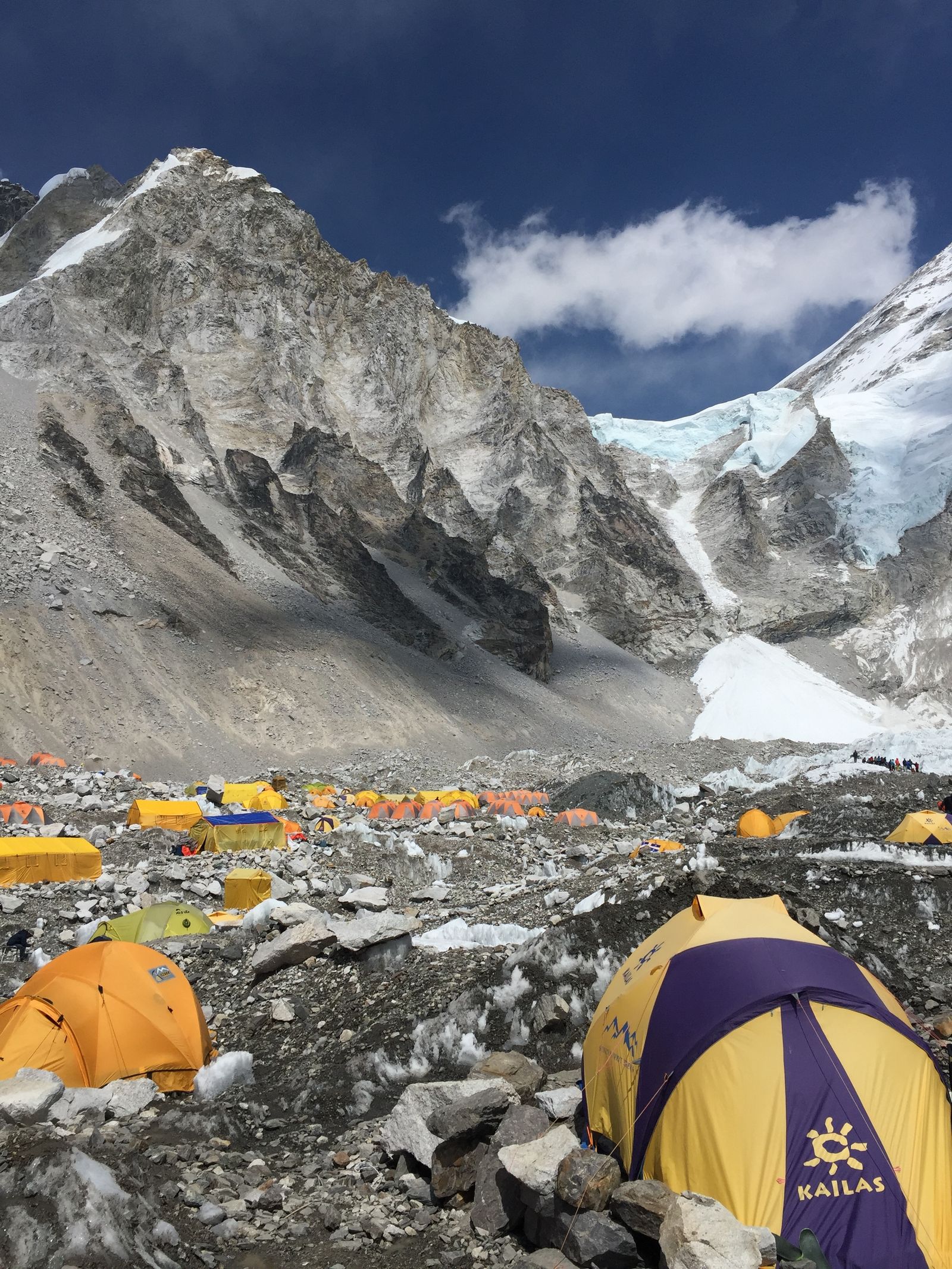
Nepal opens hundreds of peaks to foreign climbers, but its mountaineering income depends on two of them. In spring it is Everest; in autumn it is Manaslu. The figures from the Department of Tourism for 2026 show how narrow the base has become, even as higher fees have pushed royalty income to records.
Autumn: Manaslu and the rest
By early October, 788 climbers from 70 countries had obtained permits to climb 31 peaks this autumn, organised in 91 teams, The Rising Nepal and Online Khabar reported on 8 October. The department had collected Rs 247.21m in royalties, about $1.63m by Online Khabar's conversion.
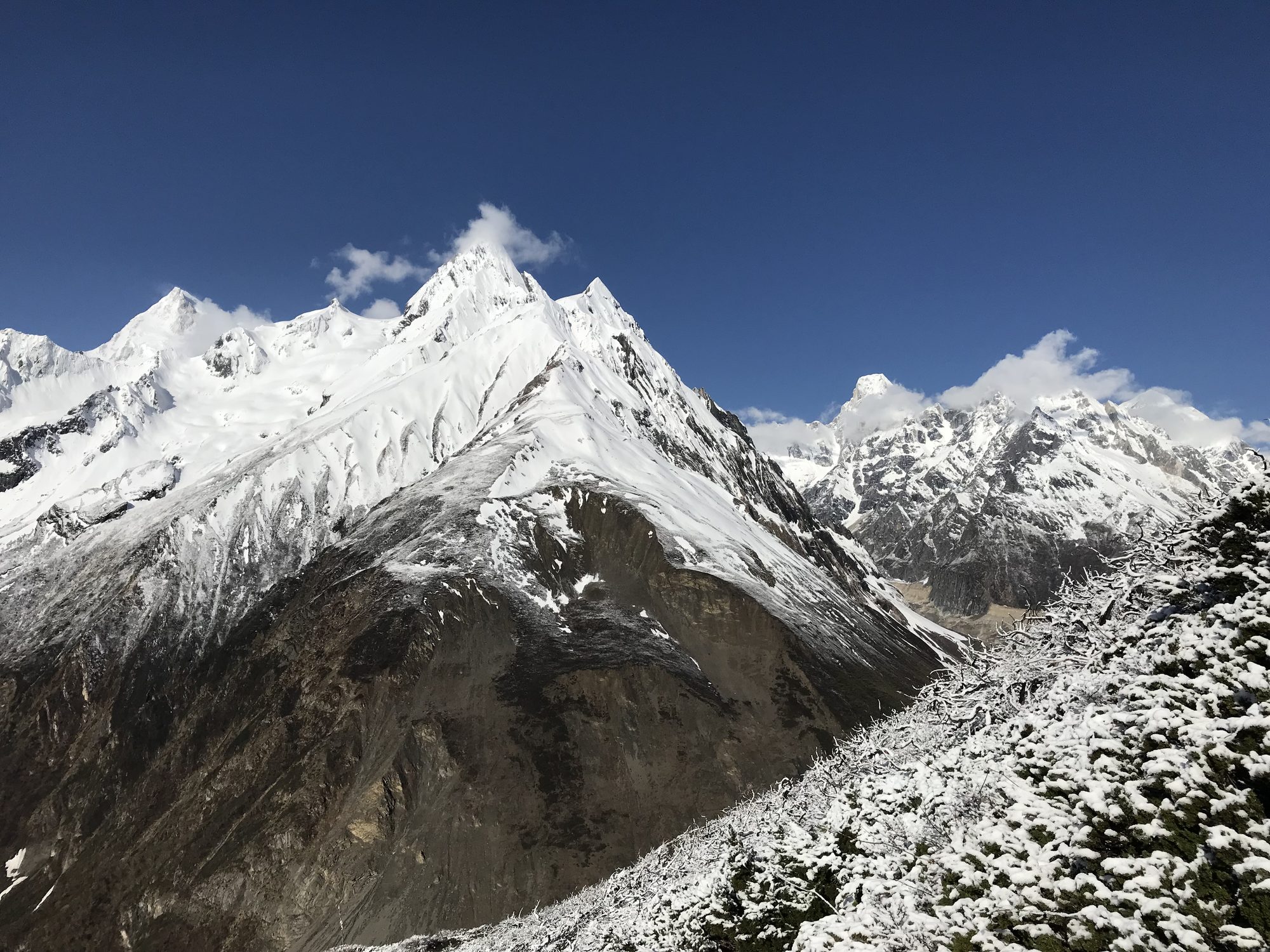
Manaslu accounted for 500 of those climbers in 43 teams and Rs 225.86m of the royalties, according to Online Khabar. That is more than 90% of the autumn total so far from a single mountain. The next busiest peaks contributed little: Dhaulagiri I drew 36 climbers and about Rs 8.2m, Ama Dablam 19 climbers and about Rs 2.9m, and Himlung Himal 34 climbers and about Rs 2.1m, The Rising Nepal reported. Permits are still being issued, so the autumn totals will rise before the season closes.
China supplied the most autumn climbers with 118, followed by Russia with 65, France with 60 and the United States with 52, according to The Rising Nepal.
Spring: Everest's record revenue
The same pattern held in spring, on a larger scale. Nepal issued 464 Everest permits in spring 2026, the third-highest number on record, and Everest royalties reached a record Rs 1.01bn, The Kathmandu Post reported in May. Earlier in the season The Himalayan Times put the spring total at 944 climbers on 30 peaks and reported that Everest produced nearly 87% of royalty income.
The record came from price rather than volume. Nepal raised the spring royalty for foreigners on Everest's normal route from $11,000 to $15,000 from September 2025, the first increase since 2015, the German news agency DPA reported when the change was announced. The autumn rate rose from $5,500 to $7,500, and winter and monsoon rates from $2,750 to $3,750. The Kathmandu Post reported that the fee for Nepali climbers doubled to Rs 150,000.
The director general of the Department of Tourism, Ram Krishna Lamichhane, told The Kathmandu Post that without the Iran war the number of Everest aspirants could have reached a record. The season was also disrupted by a hanging serac in the Khumbu Icefall that blocked the route for 19 days before it opened on 28 April, the Post reported.
Why concentration matters
Royalties are only a small part of what climbers spend. DPA reported that Everest climbers typically pay between $40,000 and $100,000 in total depending on the level of support. Most of that goes to expedition operators, Sherpa guides, porters, lodges and airlines, so the distribution of climbers across mountains decides which valleys earn.
A season concentrated on two peaks is exposed to a single route closing. A serac on Everest or heavy snow on Manaslu can remove most of a season's royalty income at once, as the Manaslu snow closure covered in our autumn tourism report showed.
The final autumn permit count from the Department of Tourism, due after the season ends in November, will show whether the higher fees deterred climbers from the smaller peaks. The spring 2027 Everest permit total will be the first full test of the $15,000 fee without the disruption of the Iran war.
How this story was made: researched and written by The Standard’s desk with AI assistance, from the published reporting and official data credited below, and checked against those sources. Our standards.