Fitch affirms Nepal at BB- as reserves cushion floods and politics
The rating agency kept Nepal's grade and stable outlook, even as weak banks, a reform test for a new majority remain on the ledger.
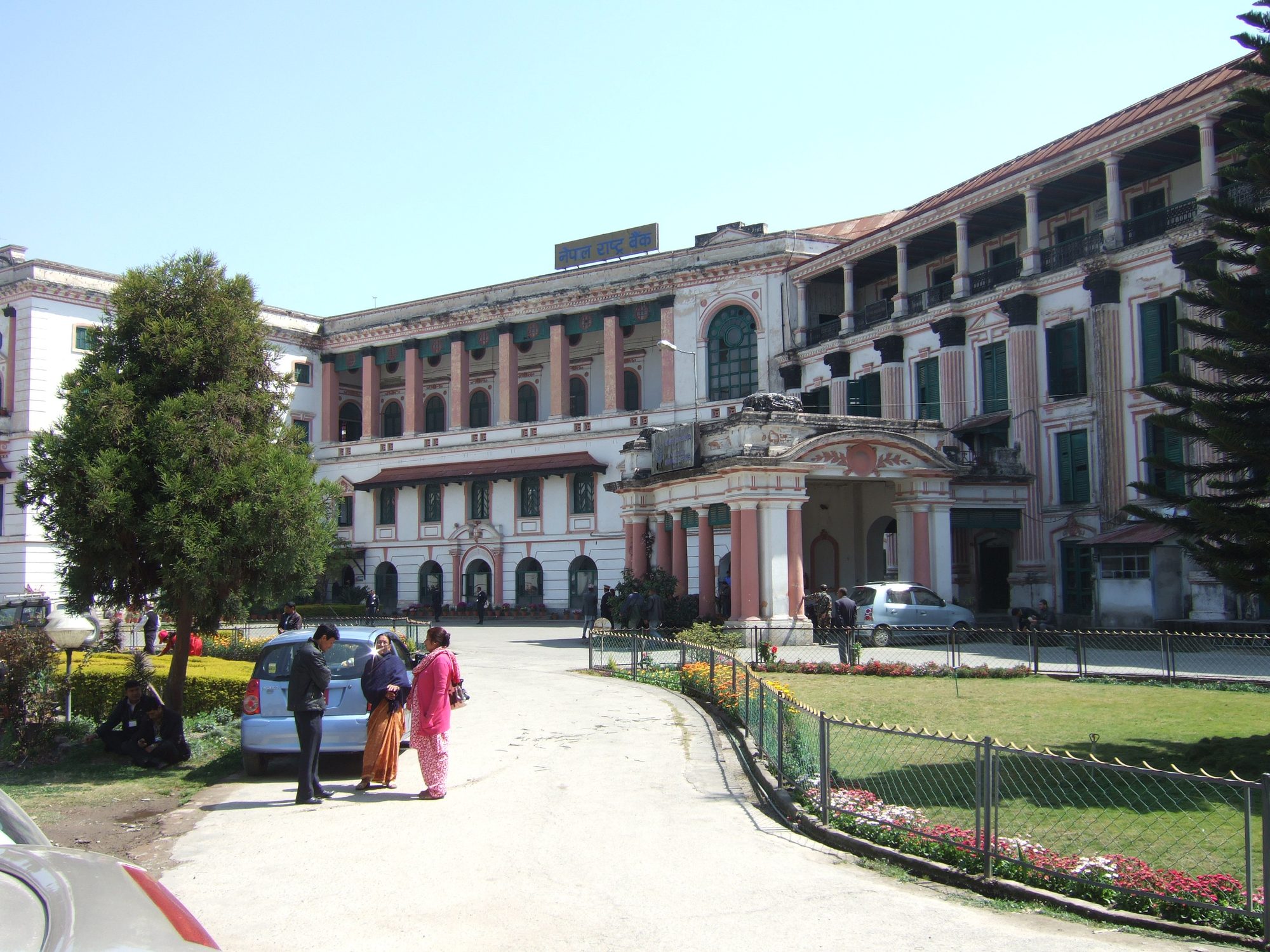
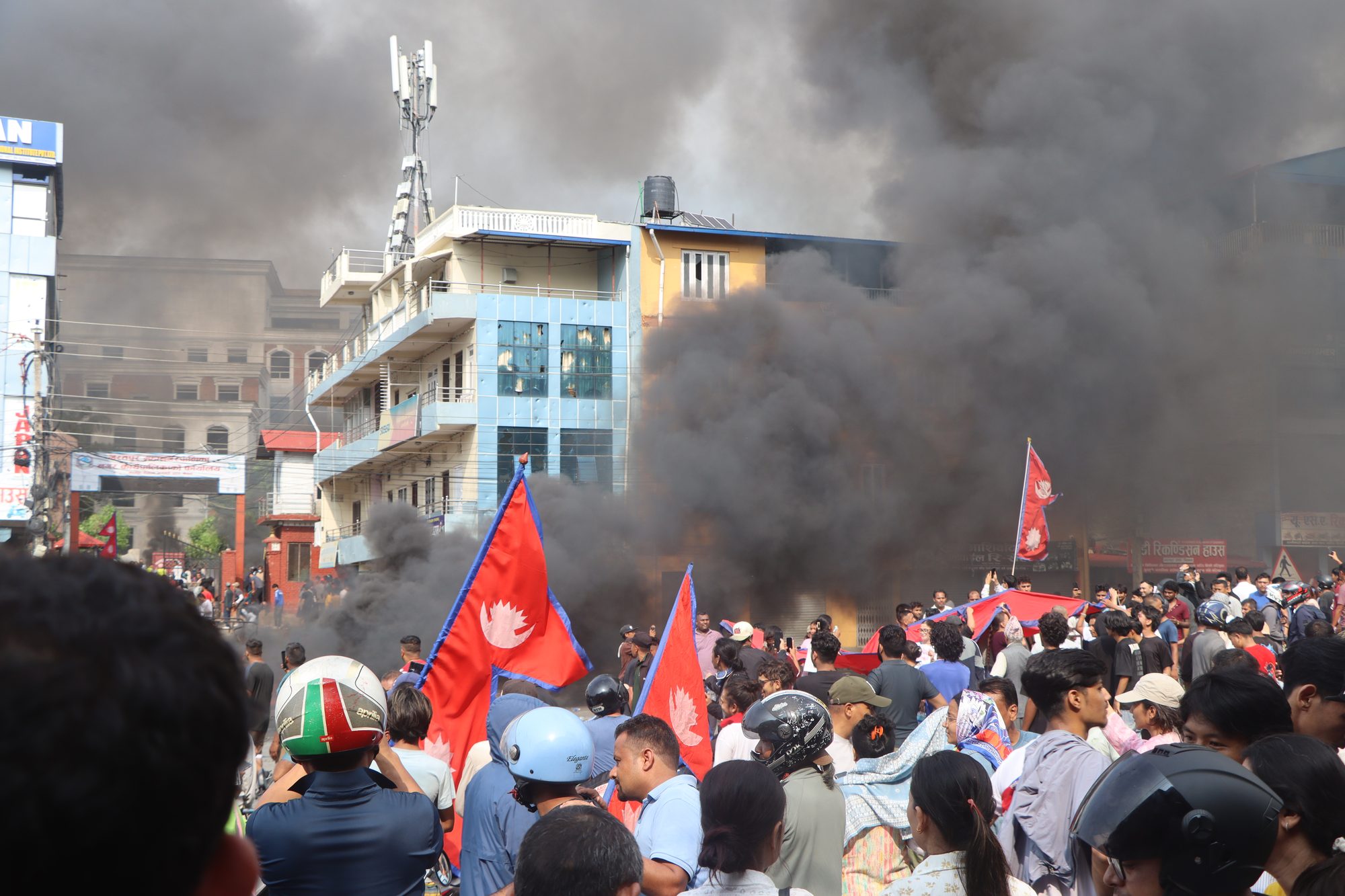
Nepal has endured youth-led protests in September 2025 and devastating floods in August 2026, and its credit rating has not moved. Fitch has affirmed the country's Long-Term Issuer Default Rating at BB- with a stable outlook, the same grade it gave in its previous two reviews. The country ceiling also stays at BB-.
The question for investors is why a country so exposed to shocks keeps its footing. The answer lies in a balance sheet that looks unusually strong beside its institutions.
The cushion: reserves and cheap debt
Public external debt is roughly 24% of GDP and overwhelmingly concessional.
Fitch forecasts that reserves will pay for 16.4 months of external payments, against 5.2 months for the average BB-rated peer. By 2027/28 (the year ending in mid-July 2028), Nepal is projected to be a net external creditor equal to 38.5% of GDP, while the typical BB peer is a net debtor at 14.6%. That position helps sustain the peg of the Nepali rupee to the Indian rupee.
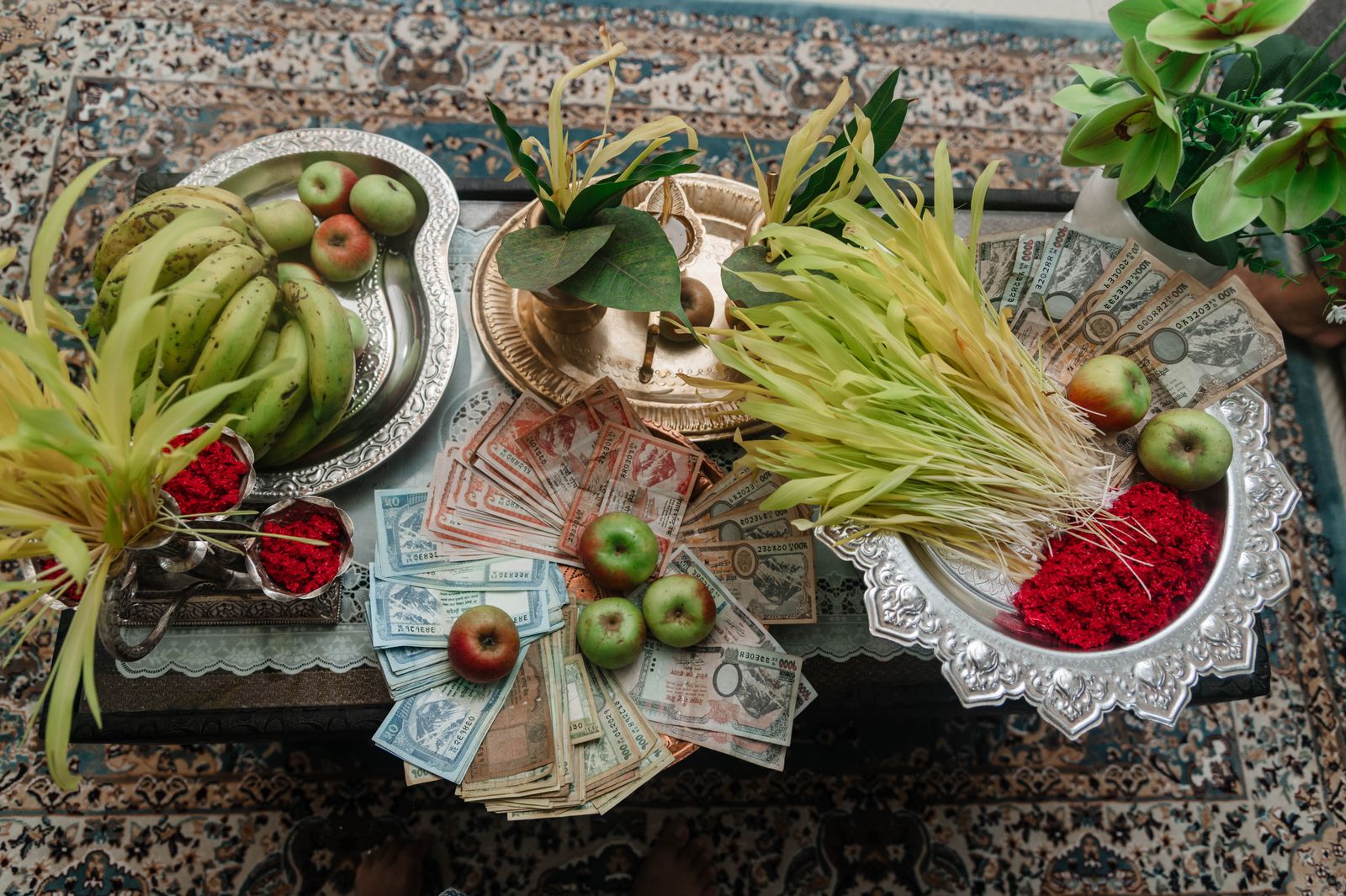
The engine is remittances, money sent home by Nepalis working abroad, which reached 36% of GDP in 2025/26. They are expected to hold steady despite geopolitical tension.
Source: Fitch Ratings, as reported by Clickmandu
The shock: floods and a slower year
Real GDP growth is projected at 3.4% in 2026/27 (the year ending in mid-July 2027), down from 3.9% in 2025/26.
The external surplus will shrink. Reconstruction and hydropower imports will rise, while electricity exports and tourism earnings dip for a time. Together these are projected to take the current account surplus from 14% of GDP in 2025/26 to an average of 5.6% in 2026/27 and 2027/28. It remains a surplus, which is why the shock reads as a dent and not a break.
Public finances absorb some of the strain. The federal deficit is expected to widen to an average of 4.1% of GDP across 2026/27 and 2027/28, lifting federal debt from 45.2% of GDP in 2025/26 to 48.2% in 2027/28. That remains below the peer average of 52.7%.
Source: Fitch Ratings, as reported by Clickmandu
The weak spots: banks and governance
Bad loans across banks and financial institutions stood at 5.7% in mid-September 2026, after a long slump in real estate and sluggish activity. Watchlist loans, which are not yet bad but are under watch, reached 11.1% in the year to mid-April 2026. A review of the ten largest banks, assisted by the International Monetary Fund (IMF), indicated that some loans need reclassifying and that more should be set aside against losses.
For bank shareholders and borrowers this matters beyond the headline grade. Higher provisions squeeze profits and lending capacity, and that can keep private borrowing costs high even when the sovereign looks safe. On this evidence the state appears sturdier than the banks that lend to the private sector.
Governance is the other drag. Nepal sits at the 31st percentile on the World Bank's Worldwide Governance Indicators.
The political window
The Rastriya Swatantra Party won a clear parliamentary majority in the general election held in early 2026, which Fitch regards as a favourable window for stability and reform. The agency also set conditions. Balancing flood relief with long-term priorities could prove hard for the government. Fitch warns that unconvincing reforms, or leaning too heavily on ordinances (decrees issued by the executive to push policy through), could revive instability. The IMF programme was completed in June 2026, which has strengthened fiscal credibility.
What the rating means
A stable BB- keeps Nepal in sub-investment-grade territory, so the grade alone is unlikely to open cheap commercial funding. With external debt mostly concessional, the government has little obvious need to approach commercial markets in the near term.
What to watch
- The pace of reconstruction spending and power repairs, which drive the rebound to 5.2% growth in 2027/28.
- Bank loan reclassification and provisioning after the IMF-assisted review, and whether bad loans rise beyond 5.7%.
- Whether the new government legislates its reforms or leans on ordinances.
- Remittance flows and the effect of a prolonged Iran conflict on energy and fertiliser imports and tourist arrivals.
How this story was made: researched and written by The Standard’s desk with AI assistance, from the published reporting and official data credited below, and checked against those sources. Our standards.
The long view Nepal's LDC graduation