Indian fertiliser reaches Nepal for wheat after a paddy season of empty depots
Rail consignments of urea and DAP from a 60,000-tonne government deal are arriving at Birgunj, after farmers queued at empty depots for fertiliser during rice planting.
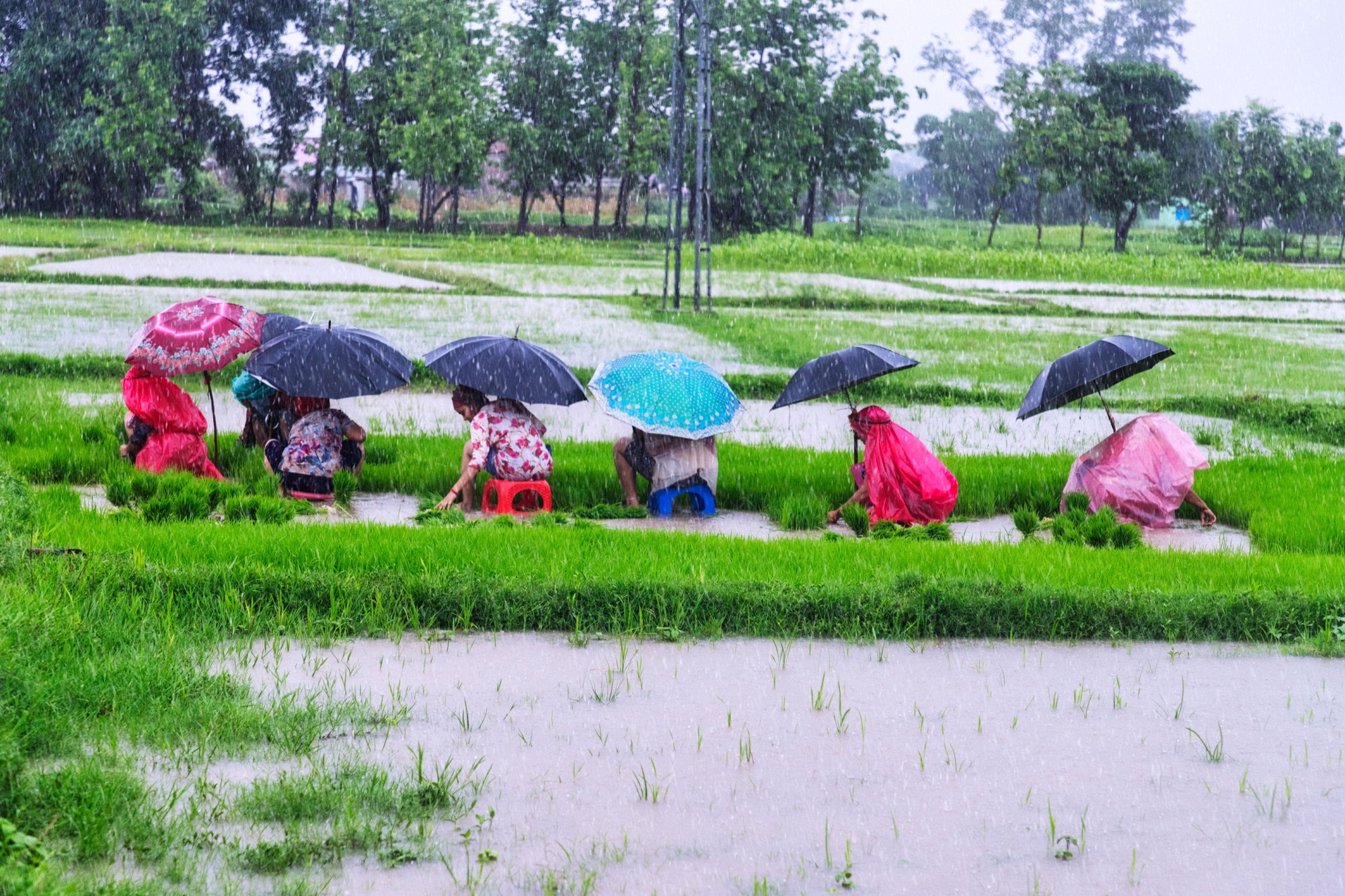
Nepal has started to receive the chemical fertiliser it bought from India under a government-to-government deal, and is stockpiling it for the winter wheat crop. Two rail consignments of diammonium phosphate (DAP) and one of urea entered through Birgunj in September, The Kathmandu Post reported on 11 September. The deal covers 30,000 tonnes each of urea and DAP. A standard rail consignment carries about 2,500 tonnes, and the Birgunj provincial office of the state-owned Agriculture Inputs Company is due to receive 11,000 tonnes of each, with the rest going to Bhairahawa and Biratnagar.
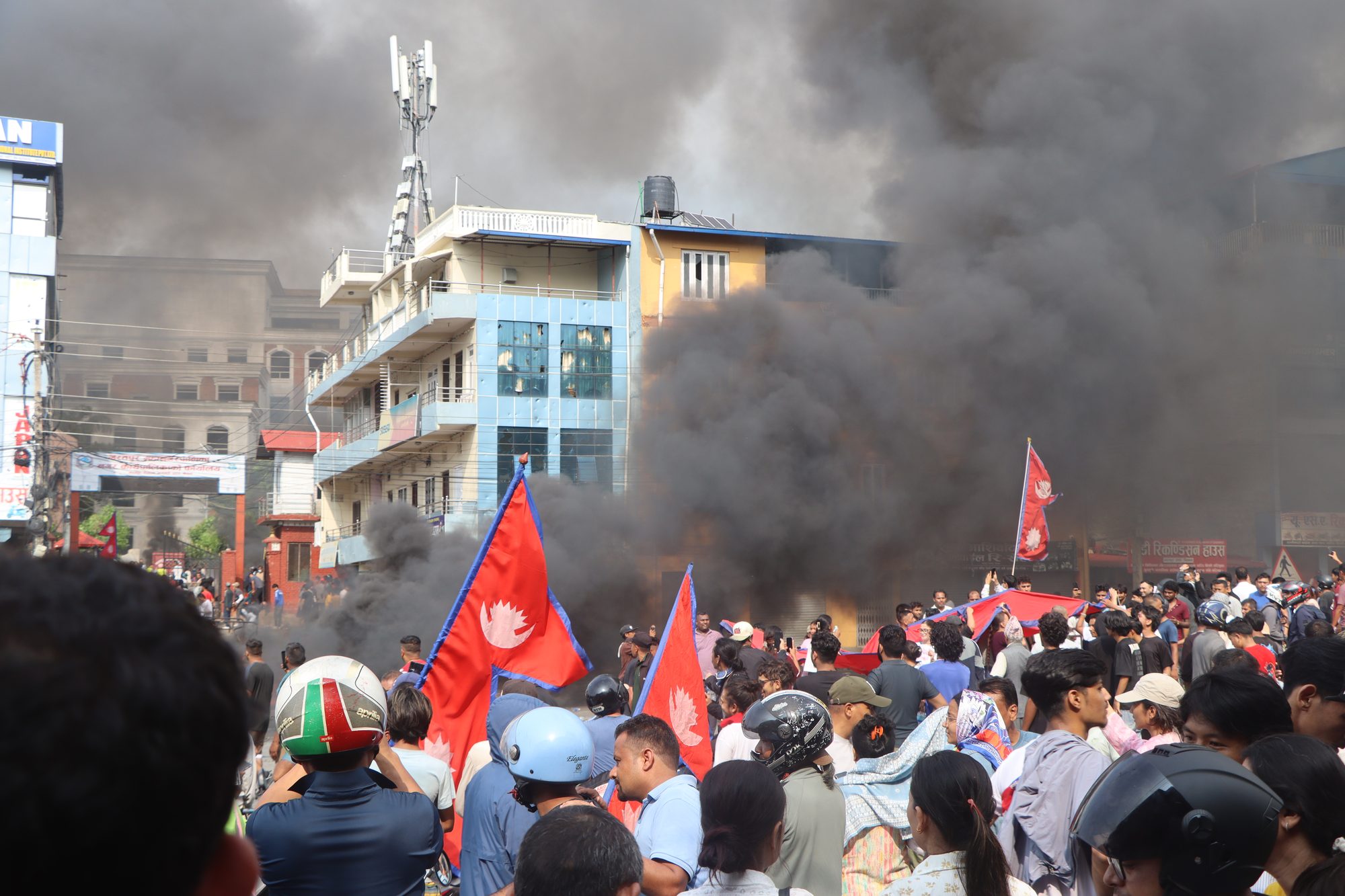
The shipments arrive after a rice season in which fertiliser was the scarcest input on many farms. In late July, Ratopati reported farmers queuing at depots from early morning and leaving empty-handed, some depots closing for lack of stock and distribution in places being carried out under police supervision. Farmers in Sarlahi locked a ward office in protest, the outlet said, and paddy that had not been fertilised on time was turning yellow.
A shock from the Gulf
The shortage had its roots abroad. Nepal buys most of its official fertiliser from the Gulf, and the conflict in West Asia pushed urea from $519 a tonne to about $900 delivered, The Kathmandu Post reported in April, when it estimated that only about 183,000 of the 250,000 tonnes needed for paddy would be available. A five-year agreement with India, which guaranteed at least 30% of Nepal's annual requirement, expired on 31 March.
The Cabinet approved buying 80,000 tonnes from India on 4 May, of which 60,000 tonnes was urea, after asking New Delhi for 150,000 tonnes. In June, as world prices eased, the plan was cut to 50,000 tonnes, according to the Post, which put the original consignment's cost at about Rs 7bn (around $45m). The September report gives the final purchase as 60,000 tonnes.
The arithmetic of subsidy explains why state stocks matter so much. Farmers pay Rs 18 a kilo for subsidised urea against a market rate of about Rs 160, and Rs 46 for DAP against Rs 162, the Post reported. The same paper estimated that close to 70% of the 600,000 to 800,000 tonnes Nepal uses each year comes in informally across the open border, which is what farmers turn to when depots run dry.
Rice planted, harvest uncertain
The weather proved kinder than the supply chain. After a monsoon that arrived a week late and stalled, transplanting reached 97.48% of the 1.37m hectares of paddy land by 14 August, according to Department of Agriculture figures reported by The Kathmandu Post, about 30,500 hectares more than at the same point a year earlier. Spotlight Nepal, citing the same department, reported that Sudurpashchim had planted almost all of its fields by early August.
Planting is not yield, however. Rice output fell 4.2% in 2025/26 to 5.705m tonnes, the Post reported, and in June it put annual paddy demand at about 7m tonnes, leaving a gap of roughly 1m tonnes that is met with imports. A farmers' group official quoted by the Post in August said production could not reach the expected level without enough fertiliser. Writing in May, Nepali Times cited an expert estimate that cereal output could fall by 20% or more this year, which would raise Nepal's import bill for grain.
What to watch
The first official estimate of the paddy harvest, due once the crop is cut in the coming weeks, will show how much the summer shortage cost. The other test is the wheat season: whether the Indian consignments reach depots before sowing in November, and whether Nepal renews the expired supply agreement with India so that next year's rice crop does not depend on emergency purchases.
How this story was made: researched and written by The Standard’s desk with AI assistance, from the published reporting and official data credited below, and checked against those sources. Our standards.
The long view Nepal's LDC graduation