Nepal's private schools win on a 3% levy but face a hard line on fees
The prime minister scrapped a proposed equity fee on private schools in July, months after his education ministry ordered refunds of fees charged beyond the legal limits.
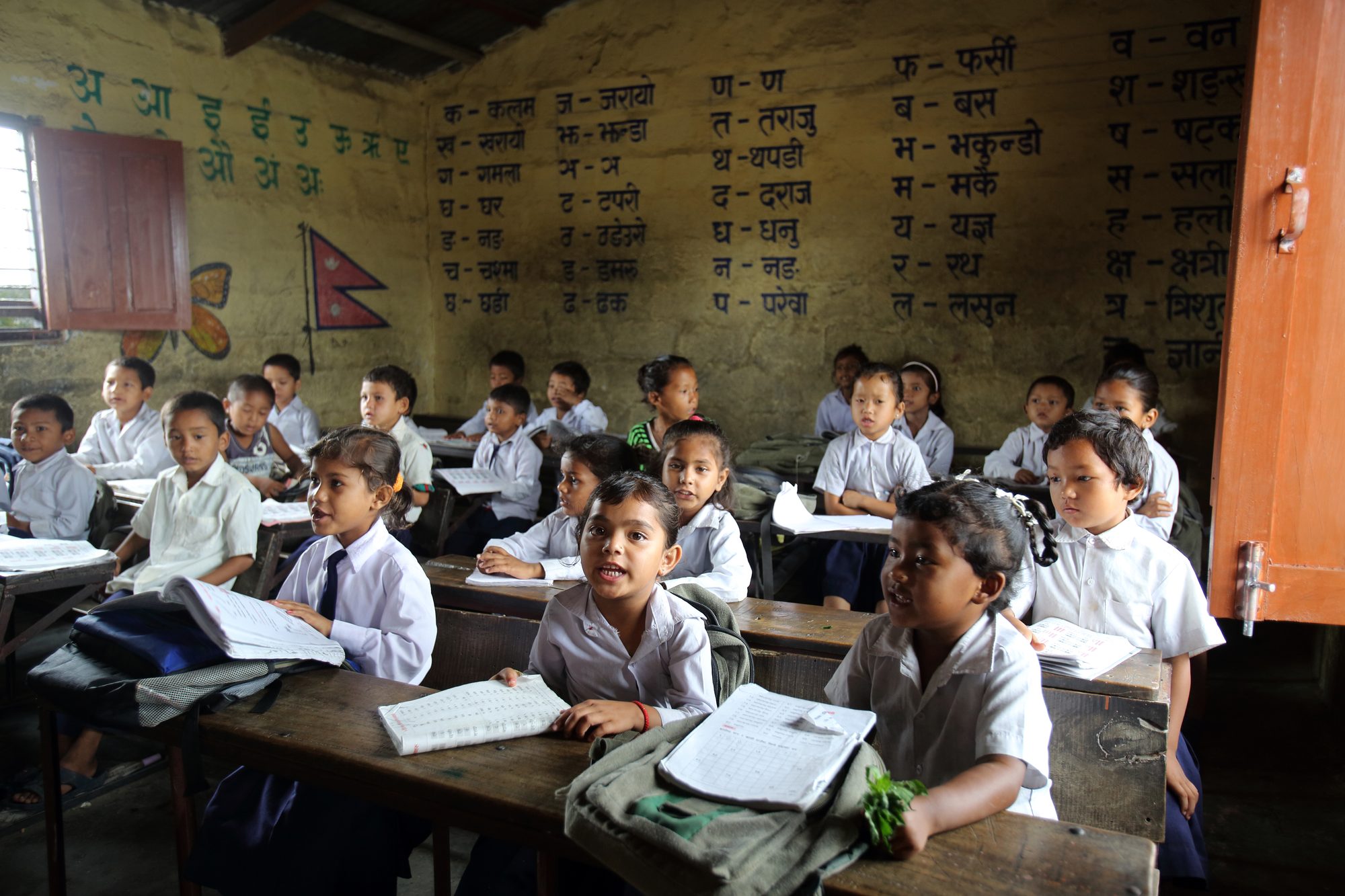
Nepal's private schools and colleges have had a mixed year with the new government. In July they persuaded Prime Minister Balendra Shah to drop a 3% levy on their fees. Earlier, the same government ordered them to refund fees collected beyond the limits set in law, and opened a channel for parents to complain.
The levy that was withdrawn
Finance Minister Swarnim Wagle's budget for 2026/27 proposed a 3% equity fee on the service charges of private schools, colleges, hospitals, medical colleges and nursing homes. The money was to improve public education and health and widen access for disadvantaged citizens.
Four associations of private institutions, PABSON, N-PABSON, HISSAN and APEIN, held a joint press conference against it. PABSON's president, Krishna Prasad Adhikari, said the measure would put an extra tax burden on students and families that was completely unjustifiable, The Himalayan Times reported on 12 July. The associations called it unconstitutional.
On 21 July the prime minister announced that the fee would not be implemented for either education or health, Online Khabar reported. He described his administration as a people-oriented government. Ratopati, as carried by Hamro Patro, reported that the decision would save parents more than Rs 7bn, and cited the Fourth Nepal Living Standards Survey's estimate that private spending on education is about 3.6% of GDP.
The crackdown on fees
The levy reversal came after months of pressure in the other direction. On 22 March the Ministry of Education directed local governments to begin legal proceedings to recover admission fees collected illegally, Ratopati reported. On 5 April the ministry warned that schools breaching the Private School Fee Determination Directive of 2015 would face legal action, according to The Rising Nepal. The ministry ordered refunds and told schools not to charge beyond prescribed limits.
Parents responded in volume. By late April the help desk of the Education and Human Resource Development Center was receiving complaints at a rate of about one a minute, Ratopati reported. Its director, Nim Prakash Singh Rathour, reported 50 phone calls producing complaints running into the thousands, 100 emails, 300 text messages and 70 Viber messages, many with bills attached. Parents said schools were charging up to two months' tuition as an annual fee, or naming charges as financial support contributions, according to Ratopati.
PABSON's general secretary, RB Katwal, told Ratopati that private schools generally charge only fees approved by the local level and that the association supports compliance with government directives.
A business under pressure
The Rising Nepal, in an editorial, acknowledged that private schools face rising costs from land leases, salaries and debt taken on for buildings, while arguing that those pressures do not justify breaching fee rules. For owners the combination is a cap on prices at the same time as costs rise, in a market where many families also send older children abroad to study.
The next admission season, which begins in spring, will show whether the refund orders have changed how schools bill parents. The government has not said how it will replace the revenue the withdrawn equity fee was meant to raise for public schools, and any new proposal is likely to meet the same four associations.
How this story was made: researched and written by The Standard’s desk with AI assistance, from the published reporting and official data credited below, and checked against those sources. Our standards.