Beni-Jomsom road reopens as late-monsoon rain batters Nepal's paddy and sugarcane
Containers stranded in Mustang for two weeks are moving again, but soaked harvests across the breadbasket show how exposed Nepal's supply lines and farm incomes remain.
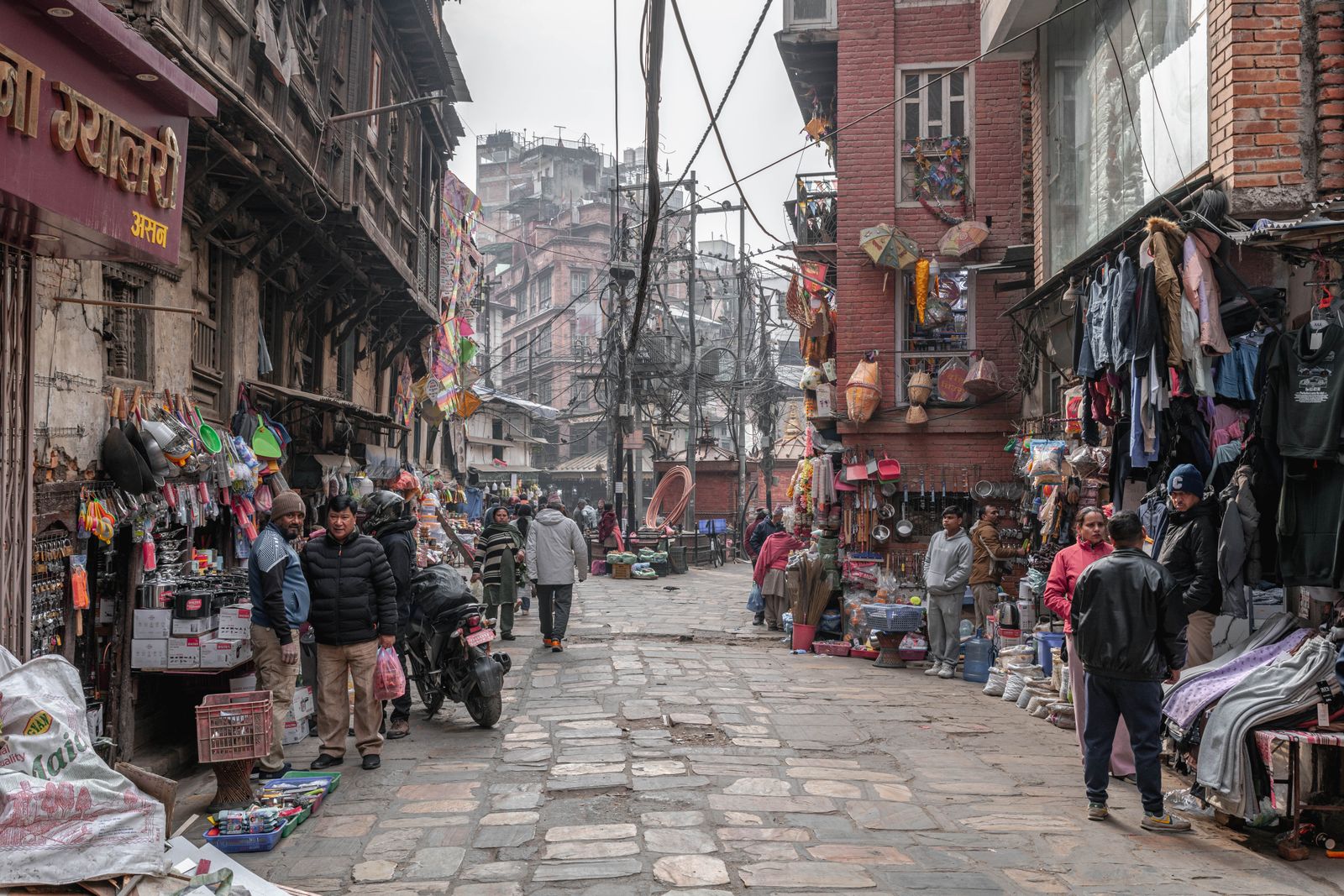
On the evening of 9 October 2026, the road between Beni, in Myagdi district, and Jomsom in Mustang reopened. Containers of Chinese goods that had entered Nepal through the Korala border point had sat in Mustang for two weeks while the route was blocked; over the next two days, 173 of them set off for Pokhara, Kathmandu and other towns, Online Khabar reported.
Elsewhere in the country, the news from the fields was worse. Days of late-monsoon rain and wind have soaked or flattened ripe paddy and sugarcane in several districts, the same outlet reported.
A northern trade route was held up for a fortnight by a single road disruption, while farm output is being knocked back by weather in the very weeks it should be paying off. A fall in agricultural production could add billions of rupees to Nepal's food import bill, Online Khabar reported.
A northern artery, restored
The numbers from Mustang are modest by the standards of global logistics, but telling. Some 85 containers left the district on the first day after the road reopened and 88 on the second, Sanotosh Basyal, police inspector and information officer at the District Police Office, told Online Khabar. Police at the Ghasa post, on the Myagdi-Mustang boundary, counted 391 vehicles heading out over those two days, and more than 50 more followed on 11 October 2026, the outlet reported.
Source: District Police Office, Mustang, via Online Khabar
For importers in Kathmandu and Pokhara, two weeks of stranded stock implies tied-up working capital, delayed sales and storage costs. The episode suggests that the Korala crossing, one of Nepal's land links to China, is only as dependable as the mountain road behind it.
Separately, Karma Gurung, proprietor of Chimle Apple Farming, said supplies of Mustang-grown apples have begun, Online Khabar reported.
Rain at the worst moment
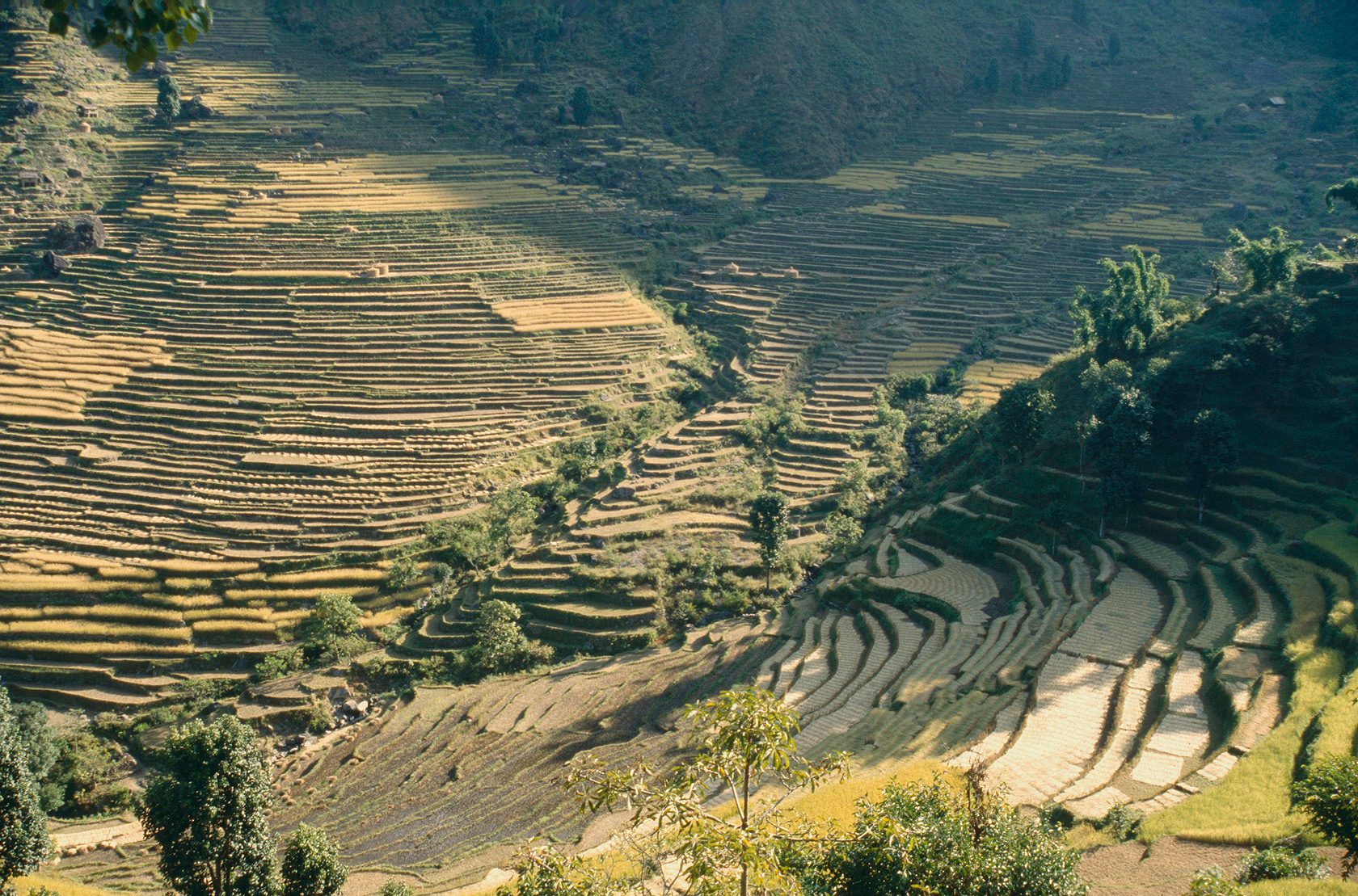
The farm damage is wider and harder to measure. Across much of the country, the closing spells of the monsoon struck just as paddy, sugarcane and vegetables reached harvest. In Dang's Gadhawa, Rajpur and Rapti rural municipalities, cut paddy laid out to dry is now waterlogged, and growers fear it will spoil or lose quality unless it dries quickly. In Salyan, Kumakh Rural Municipality said a flood in the Ikhre stream wiped out nearly 50 ropanis of near-mature paddy; with water still lying in the fields, growers there mean to get the harvest dry and into storage anyway, spreading tarpaulins on the ground if needed, Online Khabar reported.
The damage lands on farmers who had already struggled with poor irrigation and fertiliser shortages. Himal Yogi, a farmer in Salyan's Sharada Municipality, said he could not obtain fertiliser for the 2026 crop and expected output to fall below the 2025 level, telling Online Khabar that "the rain has had a significant impact".
In Banke, rain and wind damaged seed paddy on about 150 bighas, raising fears of a seed shortage in 2027, said Jaman Singh Wali, manager of the Sakar Agricultural Cooperative in Rapti Sonari. That is the less visible cost: a bad harvest can squeeze the next round of planting too. Paddy covered 33,503 hectares in Banke in 2026, and officials are still collecting loss data, said Sujita Sharma, information officer at the district's Agriculture Knowledge Centre, a government farm advisory office, Online Khabar reported.
Across large parts of Madhes Province, often called Nepal's breadbasket, standing paddy ready for cutting has been knocked down and fields left under water. The official view there is more measured than the growers'. Abiral Kumar Mahato Kushwaha, horticulture development officer at the Mahottari Agriculture Knowledge Centre, said a full assessment had not yet arrived, that the situation did not yet seem to warrant serious alarm and that the waterlogged crops would recover as the weather cleared and the water receded, Online Khabar reported.
Sugarcane's double blow
For sugarcane growers, the arithmetic is bleaker. In July 2026, growers in northern Mahottari took loans and paid workers to raise and stake cane that winds had pushed over; the latest storms laid it down again, so they are paying for labour twice on one crop. Rajkumar Upreti, central president of the Sugarcane Producers' Farmers Association, said about 70% to 75% of the cane in Sarlahi and Mahottari had been flattened. Fallen cane is exposed to rats, rot and drying, and cannot easily be raised without snapping the stalks, he said, complaining that no one from government, local bodies, the administration or the Agriculture Knowledge Centres had come to assess the losses, Online Khabar reported.
One grower shows what that means for a household. Gopindra Yadav, in Siraha's Bishnupur Rural Municipality, leased about three bighas and put in nearly Rs 400,000 (about $2,605 at the central bank's rate of Rs 153.54 to the dollar), borrowing to cover the costs. He had hoped to earn up to Rs 1m (about $6,513) from a good crop; after three to four days of wind and rain from 24 September 2026, he now fears he will not recover his outlay, Online Khabar reported.
Source: Online Khabar
That makes it a debt problem as much as a crop problem. For growers like Yadav, borrowed money now rides on a damaged crop.
A recurring bill
The late rains follow earlier destruction. A rapid assessment by the National Disaster Risk Reduction and Management Authority, the state body for disaster response, recorded heavy flood losses in areas including Rasuwa and the Bhotekoshi region. By the authority's estimate, floods and landslides wiped out 5,843 tonnes of paddy across 1,669 hectares and 1,843 tonnes of vegetables from 137 hectares, while more than 252,000 livestock and poultry died nationwide. Some fields now lie smothered in silt and debris and cannot be cultivated in the coming season either, Online Khabar reported.
None of this is new. Crops failed in much the same way in 2025, when out-of-season downpours in October and November swamped thousands of hectares of paddy, maize, millet, oranges and vegetables and cost farmers billions of rupees. The disasters arrive almost annually, yet growers have repeatedly accused the government of neglect: in their telling, preparation is weak, agricultural insurance is poorly implemented and relief comes late, Online Khabar reported.
Set beside the Mustang closure, the farm losses point to a shared vulnerability: weather can disrupt both what Nepal grows and how goods move along its mountain roads.
What to watch
First, the official damage tallies from Banke, Mahottari and other districts, which will show whether Kushwaha's cautious view or the growers' alarm proves closer to the mark. Second, seed availability for 2027 planting, given the losses in Banke. Third, the sugarcane harvest and its effect on growers' debts in Sarlahi, Mahottari and Siraha. Fourth, food import bills after the 2026 harvest. And finally, whether the Beni-Jomsom road stays open, and whether the Korala crossing can become a dependable channel for business rather than an intermittent one.
How this story was made: researched and written by The Standard’s desk with AI assistance, from the published reporting and official data credited below, and checked against those sources. Our standards.
The long view Nepal's LDC graduation