Nepal's regulator weighs four new market tools, and how fast to introduce them
Margin lending, intraday trading, share lending and short selling are promised in stages. A university commentator argues they work when laws, systems and regulators are strong, and that Nepal's are not yet.
Borrowing to buy shares makes gains larger and losses larger still. In one worked example, an investor who puts up Rs 30,000 toward Rs 100,000 of shares and then sees prices drop by a fifth is left with a third of that stake, while the debt stays whole.
That arithmetic sits behind a decision now facing Nepal's securities regulator. On 21 August 2026 the Securities Board of Nepal (SEBON) held its first policy dialogue with finance academics from the country's universities. Its chairman, Gopal Prasad Bhatta, presided. The board sought views on four tools: margin lending, intraday trading, securities lending and borrowing (SLB), and short selling. The academics welcomed the reforms but warned that the tools are technical and risky, and that investors must understand them before use.
The direction is set, the pace is open
The government's budget already promises the tools in stages, and SEBON has published a concept paper on the laws and systems that must come first. A commentary published by Clickmandu argues that Nepal should adopt all four, but over at least four years rather than one. Its reasoning is that such tools help when laws, systems and regulators are strong and do harm when they are weak.
Under margin lending, an investor buys shares with part of the price borrowed from a broker or bank, and the shares secure the loan. Under Nepal's new rules an investor may pay 30% of the price and borrow the rest, with a 20% minimum stake. The commentary calls that aggressive for a young market. The United States has required investors to pay at least half since 1974.
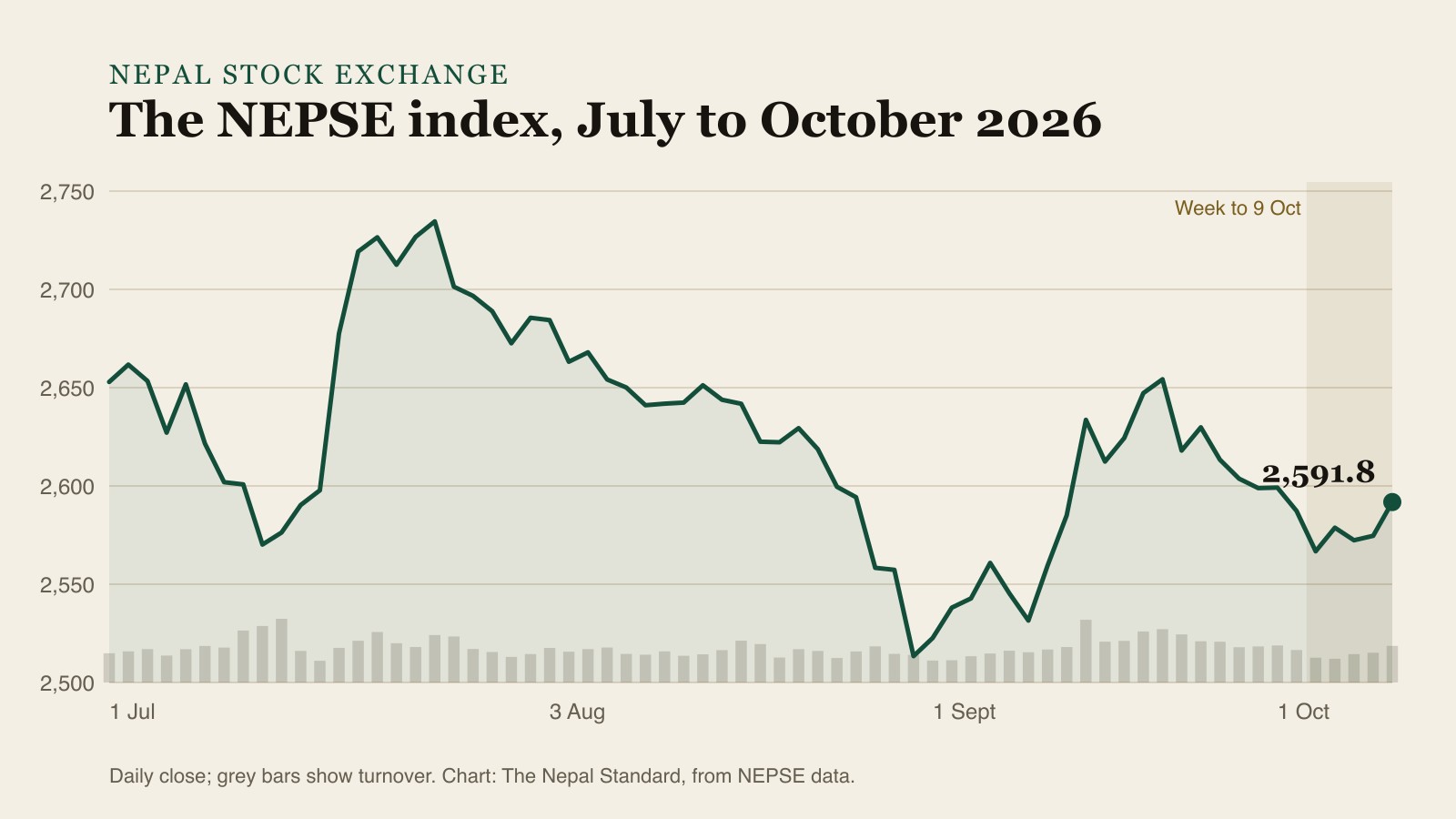
Borrowing lifts a market in good times, because more people can buy. In bad times, falling prices bring demands for more collateral, forced selling and further falls.
There is a banking dimension too. Banks fund brokers, so a wave of forced selling would hit brokers first and lenders next. The commentary urges SEBON to collect total margin lending daily and publish it weekly, and to coordinate with Nepal Rastra Bank, the central bank. It also suggests that eligible shares be chosen by fixed rules on profits, shareholder numbers and listing history, so the list does not become a lobbying target.
Intraday trading and share lending
Intraday trading, in which a share is bought and sold within one day, deepens the market and narrows the gap between buying and selling prices. Brokers and the exchange earn more. For individuals the record is poor. In Taiwan, a market with many small investors, their trading losses came to about 2.2% of annual economic output. The commentary says safeguards should include live surveillance, forced closing of positions at day end and strict settlement.
SLB is the market's plumbing: holders lend shares for a fee against collateral and can recall them. Long-term holders such as the Employees Provident Fund, insurers and mutual funds could earn fees on idle stock. The risks are a borrower that fails to return shares, collateral that proves too small, and system failures. The commentary wants a central guarantor and strong systems at CDS and Clearing Limited, the clearing house, before launch.
Short selling
Short selling means selling borrowed shares in the hope of buying them back cheaper. The commentary argues it should be introduced last, since a covered short needs a working SLB market. It cites Hong Kong, which permits short selling only on an approved list of shares, as a model for a gradual start. About 30 countries banned short selling in 2008 and 2009; in the commentary's account, the bans made shares harder to trade and did not hold prices up.
It would keep naked shorting banned, require disclosure of large positions and retain circuit breakers. Because short sellers are blamed in every downturn, it says SEBON should write its crisis rules in calm times.
Analysis: why the timetable matters
The risk lies in any gap between their introduction and the readiness of surveillance, clearing and bank oversight. Since banks fund brokers, they would carry the consequences if that gap opened, which makes the pace as important as the rules.
How this story was made: researched and written by The Standard’s desk with AI assistance, from the published reporting and official data credited below, and checked against those sources. Our standards.
The long view The Nepal Stock Exchange