Nepal's households sent Rs 436bn in two months, while foreign equity trickled in
Reserves and surpluses keep climbing, yet inflows from abroad arrive overwhelmingly as family transfers, with equity investment a small fraction.
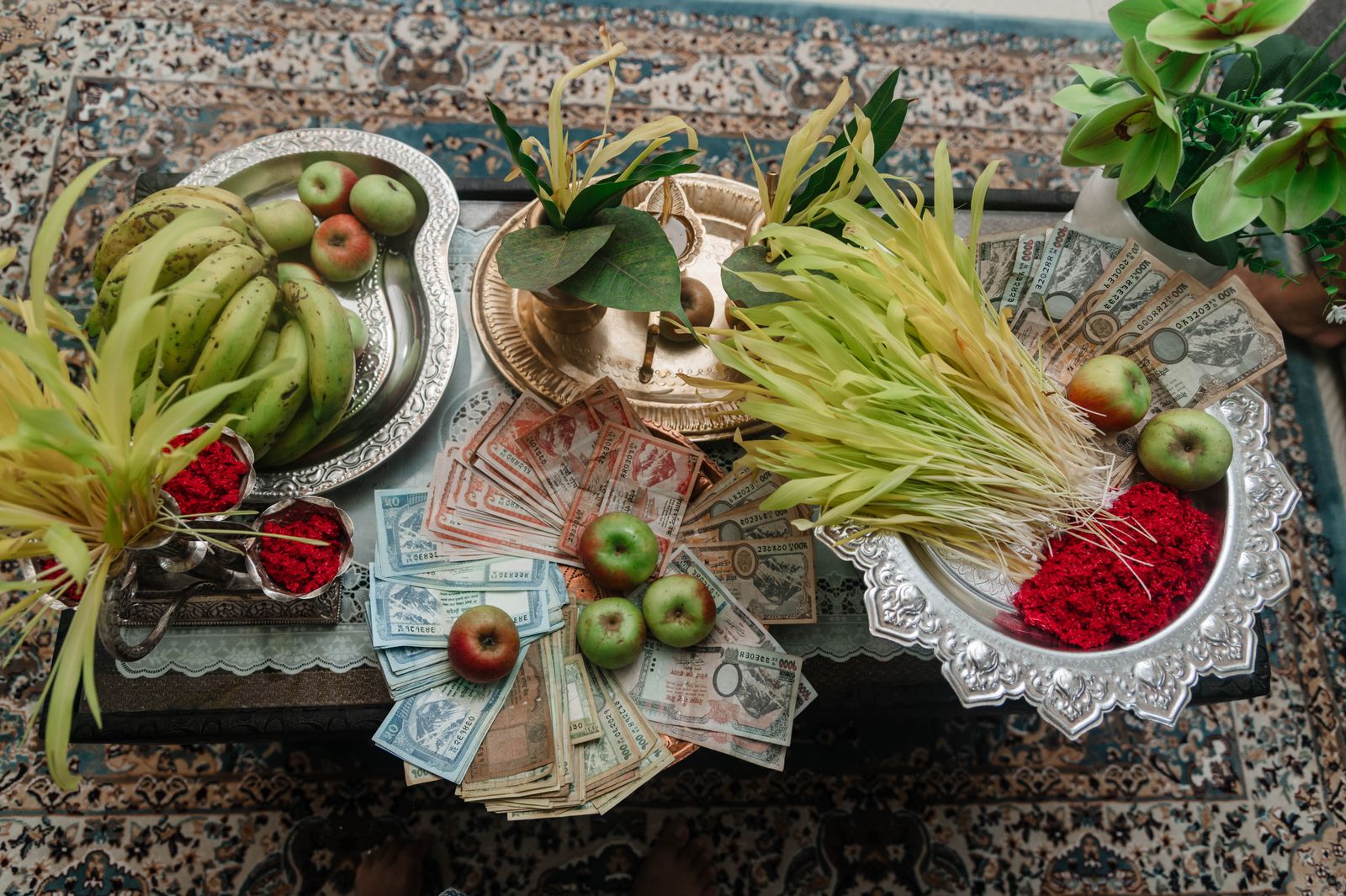
In the first two months of 2026/27, households abroad sent Nepal Rs 436.36bn. Foreign investors put in Rs 2.98bn of equity, excluding reinvested earnings. For every rupee of equity, about 146 rupees arrived as remittances.
That ratio covers only two months of the fiscal year, so it is not strictly comparable with the full-year figure for 2025/26, when remittances of Rs 2,363bn compared with equity foreign direct investment (FDI) of Rs 28.49bn, a ratio of about 83 to 1. Both point the same way. Why does so much money reach Nepal through families, and so little through shares?
The figures come from the macroeconomic report of Nepal Rastra Bank (NRB), the central bank. The Nepali calendar calls the fiscal year 2026/27 by the name 2083/84. Its second month, Bhadra, runs from mid-August to mid-September 2026.
A strong position, built heavily on households
Remittances rose 23.9%, slower than the 33.1% growth in the same period of 2025/26. In dollar terms the rise was 13.5%, to $2.85bn. Bhadra alone brought in Rs 221.31bn, Rs 6bn more than the month before.
Exports also helped. They rose 69% to Rs 76.59bn, so households are not the only source of strength.
The current account surplus widened to Rs 169.04bn from Rs 130.97bn, and the overall balance of payments surplus rose to Rs 187.68bn from Rs 153.68bn. Gross reserves grew 4.3% to Rs 4,065.78bn by mid-September 2026, or $26.48bn, a record. Based on imports in the first two months of the fiscal year, that covers 20.9 months of merchandise imports and 17.8 months of goods and services imports. Indian currency makes up 21.3% of the total.
Equity FDI did improve, from Rs 1.27bn a year earlier. But more than doubling from a small base leaves the proportions largely unchanged. At the central bank's rate of Rs 151.44 to the dollar, the 2025/26 figures are roughly $15.6bn in remittances against $188m in equity.
Strength that does not need foreign capital
One plausible reading is that the state feels little pressure to attract foreign equity. Reserves are ample, and the external accounts are in surplus without it.
The domestic side shows liquidity too. Bank deposits reached Rs 8,277bn by mid-July 2026, yet private sector credit grew only 6.5% in 2025/26. In the first two months of 2026/27, commercial banks expanded loans by 1.7%, development banks by 0.6% and finance companies by 1.4%.
Property dominates lending. Real estate collateral backed 62.8% of bank and financial institution credit in mid-September 2026, down from 64.3% a year earlier. Credit to finance, insurance and real estate contracted 4.7%, and agricultural loans fell 2.2%. Mining borrowing grew fastest, at 10.4%. Among loan types, import-related trust receipt loans rose 9.4%, well ahead of term loans at 1.6%.
Opening to the diaspora
New securities rules for non-resident Nepalis (NRNs) came into force in early October 2026. They allow eligible companies to issue between 10% and 85% of their issued capital to NRNs in foreign currency. The Ministry of Finance also plans to let NRNs trade on the secondary market.
The framework for that trading is incomplete. The Securities Board, SEBON, is still drafting the legal rules, and amendments to the foreign investment and foreign exchange laws are due at Cabinet by the end of Ashwin 2083, which falls in mid-October 2026. The trading unit is 1,000 shares, which at the usual face value of Rs 100 costs Rs 100,000. A subscriber cannot yet know when or how money can be taken back out.
Currency risk adds to the uncertainty. The rupee fell 10.9% against the dollar in the year to mid-July 2026, while the NEPSE index, the Nepal Stock Exchange benchmark, slid from 2,794.79 to 2,597.80. The same currency effect shows in remittances, where growth of 23.9% in rupees shrinks to 13.5% in dollars.
Citizenship may also matter. Non-resident citizenship under the 2015 Constitution carries economic, social and cultural rights but no political ones. A 2026 survey of 1,089 Nepalis in Australia by the Institute for Integrated Development Studies found 66.39% naming dual citizenship as a step that would encourage more investment in Nepal. Of those who invest, 51.18% put money only in Australia and 22.57% only in Nepal.
Labour, travel and public finances
First-time foreign employment approvals fell to 78,320 from 90,198, while renewals rose to 52,163 from 45,884.
Spending abroad still exceeds earnings from visitors. Travel payments fell 13.1% to Rs 41.10bn, with education-related travel down 9.8% to Rs 29.55bn. Travel income rose 28.6% to Rs 14.94bn, yet the travel account still shows a net outflow.
The government's own books show a small deficit. Spending was Rs 199.84bn against revenue of Rs 183.21bn, a gap of Rs 16.63bn. Annual inflation was 6.34%, and broad money grew 14.9% year on year.
What to watch
The test for NRN share issues is whether SEBON publishes trading and repatriation rules before the first issue opens, and whether Cabinet takes up the foreign investment and exchange law amendments.
Monthly FDI data will show whether the gain lasts, and private sector credit growth will show whether idle bank cash is finding borrowers. If remittance growth keeps easing, the external accounts will lean even harder on household transfers.
How this story was made: researched and written by The Standard’s desk with AI assistance, from the published reporting and official data credited below, and checked against those sources. Our standards.
The long view The Nepal Stock Exchange
The long view Nepal's remittance economy