Thamel's invisible tills: how Chinese payment apps drain Nepal's tourism dollars
Chinese visitors are back in Nepal, but part of what they spend moves through China-issued QR codes the central bank cannot see. Thailand faced the same leak and rebuilt its payment system to close it.
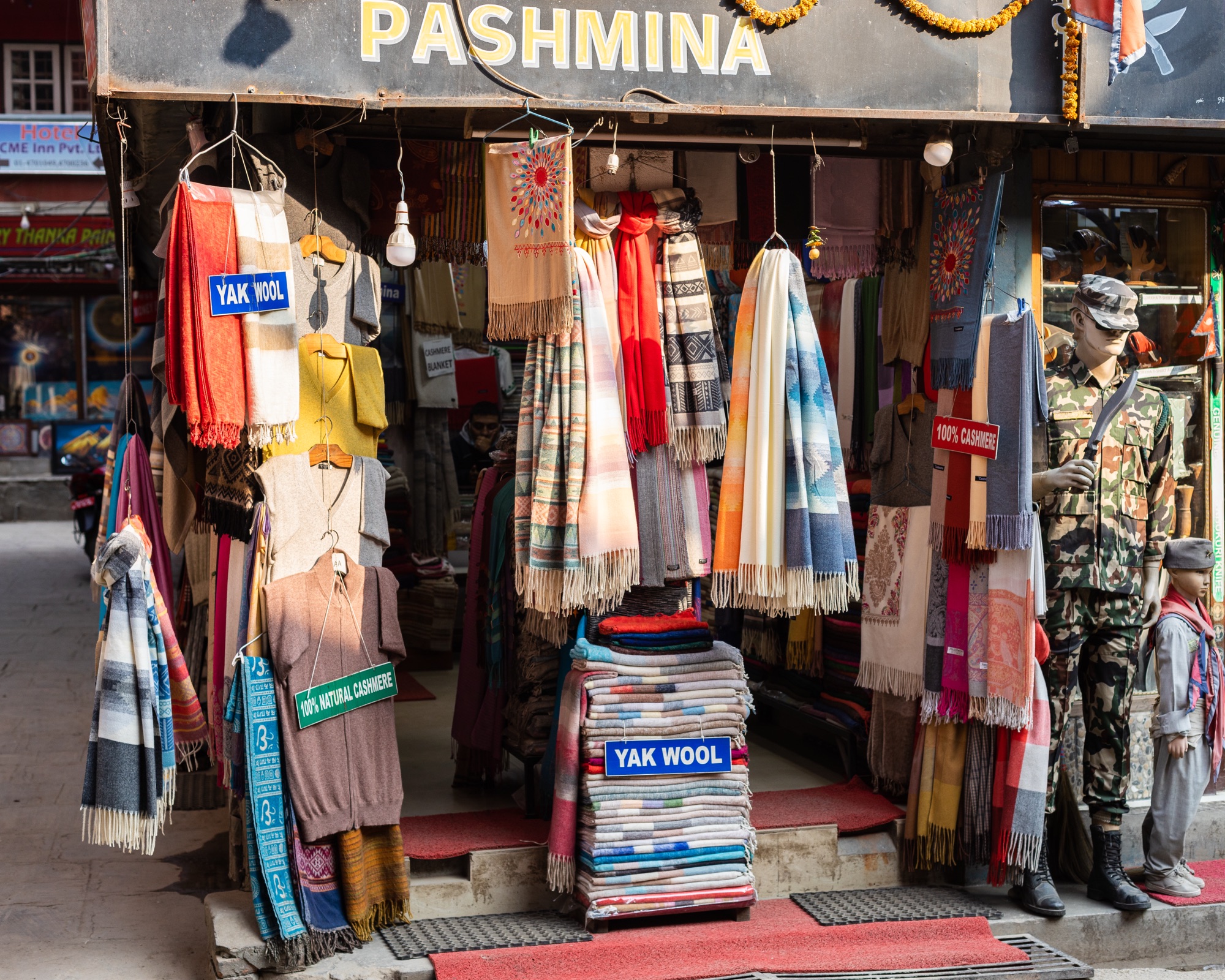
In some Chinese-run restaurants on Amrit Marg in Thamel, the bill has long been settled without touching Nepal. A Chinese visitor scans a QR code issued in China, the yuan move from one Chinese account to another, and the meal, the room or the trekking package is paid for without a rupee passing through a Nepali bank. For the tourist it is the easiest way to pay. For Nepal it is a sale that never happened.
This is the quiet problem at the centre of Nepal's Chinese tourism recovery. Arrivals from China are climbing again, and Nepal is courting more of them. But a share of what those visitors spend moves through Chinese payment apps in ways the central bank cannot see, the tax office cannot tax and the tourism accounts never record. Thailand, which receives far more Chinese visitors, faced the same leak and has spent a decade working to close it. Its answer offers Nepal a template, and a warning.
A tourist market that is coming back
Chinese visitors were Nepal's second-largest source market before the pandemic, behind India. They are returning fast. Arrivals from China rose 67% to 101,879 in 2024, from 60,878 in 2023, while Nepal received 1.14 million foreign tourists in all.
Source: The Kathmandu Post
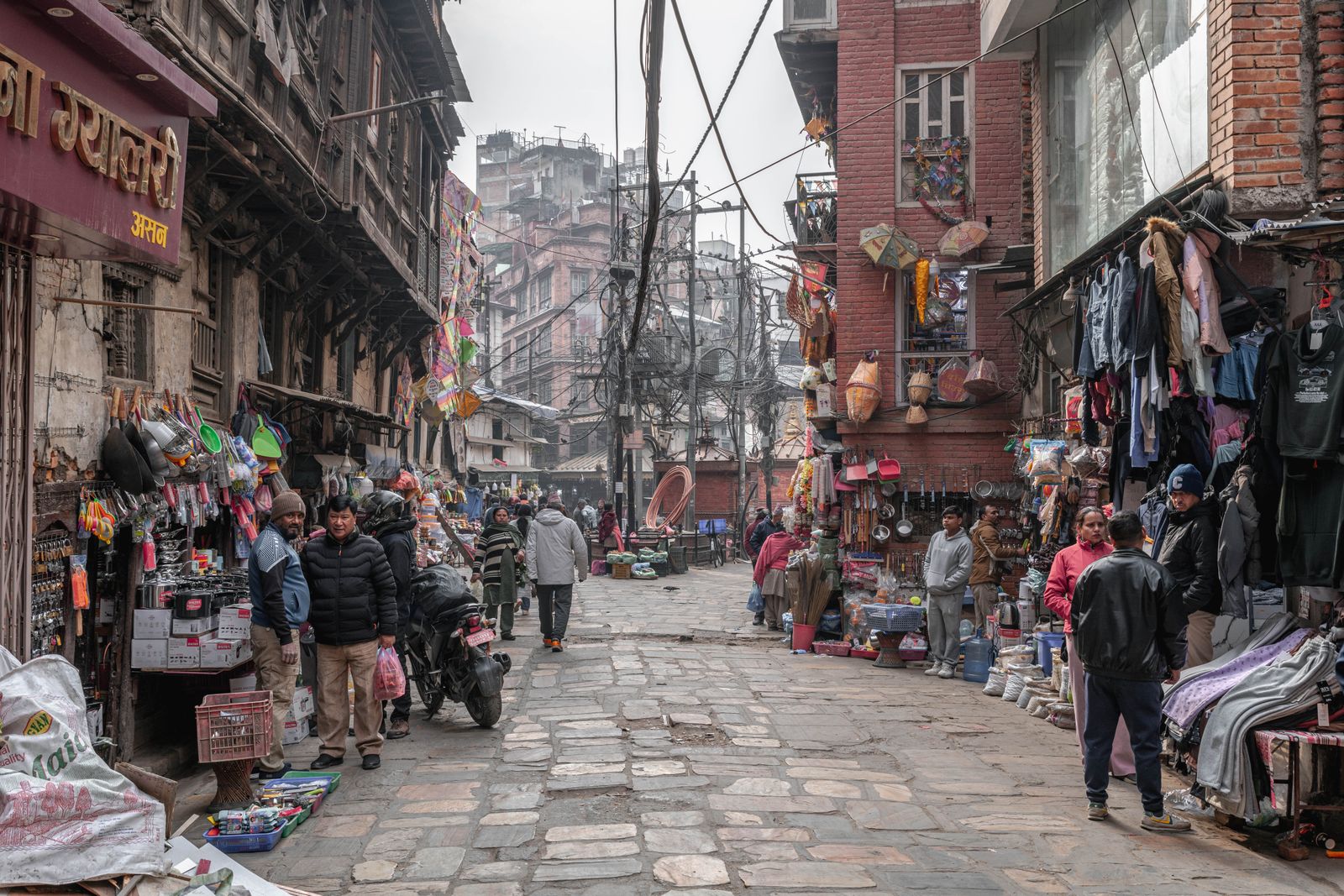
Those visitors cluster in a handful of places: Thamel, Bouddha, Patan, Jhamsikhel, Lumbini and Rasuwa on the road to the Chinese border. They are also the places The Annapurna Express identified as most exposed to unregistered Chinese payments.
How the money slips out
Nepal first tried to shut the door in 2019. The central bank declared WeChat Pay and Alipay illegal because neither was registered to operate in the country, warned that anyone using them could be punished, and said Nepal was losing foreign exchange as a result. Under Nepali law, any payment that leaves the country needs the central bank's approval first.
A ban could not stop a phone, so the central bank tried to bring the apps inside the system instead. In February 2020 it licensed First Pay Technology, a payment system operator with Rs 100m of paid-up capital, which agreed with Tencent to bring WeChat Pay to Nepal legally, with NMB Bank and Machhapuchchhre Bank also licensed. Alipay was approved the same month. Today Alipay payments can be processed through every Nepali bank via NepalPay, the national QR network run by Nepal Clearing House, and the licensed WeChat Pay network counts more than 6,000 merchants, many of them hotels and restaurants in tourist areas.
The legal route did not end the illegal one. In the licensed system, a Chinese tourist's payment is settled through a Nepali bank, so the earnings can be recorded as foreign currency income. The problem is the other QR code on the counter: one issued in China to a Chinese account. Payments to those codes are processed in China and leave no record in Nepal's national accounts, so they count neither as foreign income nor as taxable sales. Chinese business operators in Nepal have used the app to send earnings home without paying local tax, The Annapurna Express reported in January 2025.
What enforcement has found
The cases that reach the authorities give a sense of the scale. An investigation by the Department of Revenue Investigation about five years ago found revenue evasion of around Rs 50m through WeChat Pay transactions. The department has since filed 30 to 35 complaints over foreign exchange misused through the app. "Some cases were filed against people arrested by the police, while some were filed following our investigation," Director General Chandi Prasad Ghimire told The Annapurna Express.
Police made arrests in 2018, detained Nepalis and Chinese nationals in 2021 over WeChat Pay transactions worth millions of rupees, and in 2024 arrested people at a restaurant in Bouddha for sending hundreds of thousands of rupees to China through the app. In March 2026, police in Kathmandu arrested a Chinese national in Thamel carrying Rs 1m in cash of undisclosed origin on suspicion of cross-border money transfer, Ratopati reported. An arrest is not a finding of guilt, and that case has not been linked to payment apps.
Officials do not agree on how big the leak still is. Ramu Paudel, the central bank's spokesperson, insisted in January 2025 that illegal payments were no longer happening, saying the licensed system keeps WeChat Pay transactions inside the country. Santosh Koirala, chief executive of Machhapuchchhre Bank, who chaired the Nepal Bankers' Association, said such payments still needed to be brought into the legal framework, noting that WeChat Pay stands sit in hotels, restaurants and travel agencies across tourist areas.
Why it matters for tourism
The cost is not only lost tax. When a Chinese visitor's spending stays in a closed loop of Chinese-owned guesthouses, restaurants and shops paid through Chinese accounts, the Nepali businesses around them compete on unequal terms: they pay tax, bank charges and exchange costs that the loop avoids. Nepal's tourism earnings are also undercounted, which makes the value of the Chinese market look smaller than it is just as the government courts more of it. And the shadow channel that carries a restaurant bill can carry other money too. That is the concern behind the enforcement cases above, though none of the reporting puts a total on it.
How Thailand changed the system
Thailand met the same problem at a far larger scale. Travel between Thailand and China reached 8.8 million people in 2024, and for years much of the Chinese package-tour trade ran through "zero-dollar tours": trips sold below cost and paid for by steering tourists into shops that overcharged them.
Thailand's first response was a sledgehammer. In September 2016 authorities impounded about 2,155 buses and froze accounts holding 4.7 billion baht belonging to OA Transport and 381 affiliated firms, the Bangkok Post reported. Company executives denied wrongdoing. The short-term cost was steep. Chinese arrivals handled by members of the Association of Thai Travel Agents fell 47% to 108,090 in October 2016. The Tourism Authority of Thailand said the fall was acceptable as long as spending per visitor rose.

The lasting fix was quieter, and it came through the payment system. On 30 October 2025 the Bank of Thailand switched on a cross-border QR link with China. Tourists using Alipay, UnionPay or WeChat Pay can now scan the standard Thai QR code at any participating merchant, with the link run by National ITMX, Thailand's interbank network operator, settlement through Bangkok Bank and Krungthai Bank, and five Thai banks in the first phase. Merchants may accept Chinese wallets only through a payment service provider licensed by the Bank of Thailand.
The central bank paired the convenience with enforcement. Every domestic transaction through a foreign e-wallet must be denominated in baht. Payment gateways must vet their merchants and monitor transactions under the Payment Systems Act of 2017, and risk suspension, fines or the loss of their licence if they fail. The Bank of Thailand set up an information-sharing channel with the Chinese technology providers to identify merchants taking payments through personal QR codes, and at least 5,000 accounts that received direct yuan transfers through personal codes were frozen and closed between February 2025 and May 2026, The Nation reported in June 2026.
It has not ended the problem. In June 2026, immigration police raided five restaurants in Bangkok's Huai Khwang district after a viral video showed a noodle shop refusing baht, and arrested six foreign nationals, mostly for illegal entry or working without permits. The Department of Business Development is now checking Chinese-linked restaurants there for nominee ownership and for payments routed into personal accounts. But the burden has shifted. In Thailand the easy, legal way for a Chinese tourist to pay now runs through a Thai bank, and the illegal way is the one that has to hide.
- Thailand freezes 4.7bn baht of a zero-dollar tour network and impounds about 2,155 buses
- Nepal declares unregistered WeChat Pay and Alipay illegal
- Nepal licenses WeChat Pay and Alipay through local operators and banks
- Thailand links Alipay, UnionPay and WeChat Pay to Thai QR codes
- Thailand freezes at least 5,000 personal accounts taking direct yuan transfers
Source: Bangkok Post, The Kathmandu Post, The Annapurna Express, Thaiger, The Nation
What Nepal could take from Bangkok
Nepal has already built half of Thailand's answer. Alipay runs through NepalPay, and WeChat Pay has a licensed local network. What it lacks is the other half: rules that make the legal route the only workable one.
The Thai model suggests three steps. First, a requirement that every payment to a merchant in Nepal settle in rupees through a licensed Nepali provider, so a China-issued QR code on a Thamel counter is plainly illegal rather than a grey convenience. Second, duties on payment providers to know their merchants and report unusual flows, backed by the threat of losing a licence. Third, and hardest, a channel with the Chinese platforms themselves to flag Nepali merchants collecting through personal accounts, since the data on those payments sits in China, not in Kathmandu.
Thailand's 2016 experience is the warning. A crackdown that lands on tour operators before the legal alternative is in place can empty hotels for a season. A payment rule that makes the legal QR code the easiest one to scan costs the tourist nothing.
What to watch
- Whether the central bank publishes figures on licensed Chinese wallet payments, which would show how much spending already flows through Nepali banks.
- Any move to require rupee settlement for all foreign-wallet payments to merchants, as Thailand requires in baht.
- Chinese arrivals through the 2026 autumn season, and whether official tourism earnings rise in step with them.
Right of reply: this article draws on published reporting, and The Nepal Standard did not contact the people named for it. Anyone named may send a response to [email protected]; we will publish relevant replies in full or in fair summary, normally within three working days. An arrest, investigation or charge is not a finding of guilt.
How this story was made: researched and written by The Standard’s desk with AI assistance, from the published reporting and official data credited below, and checked against those sources. Our standards.