Nepal has until 2047 to turn its youth bulge into growth
The World Bank says Nepal has a longer demographic window than its neighbours, but a narrow job base, weak health systems and thin pensions could limit what it gains.

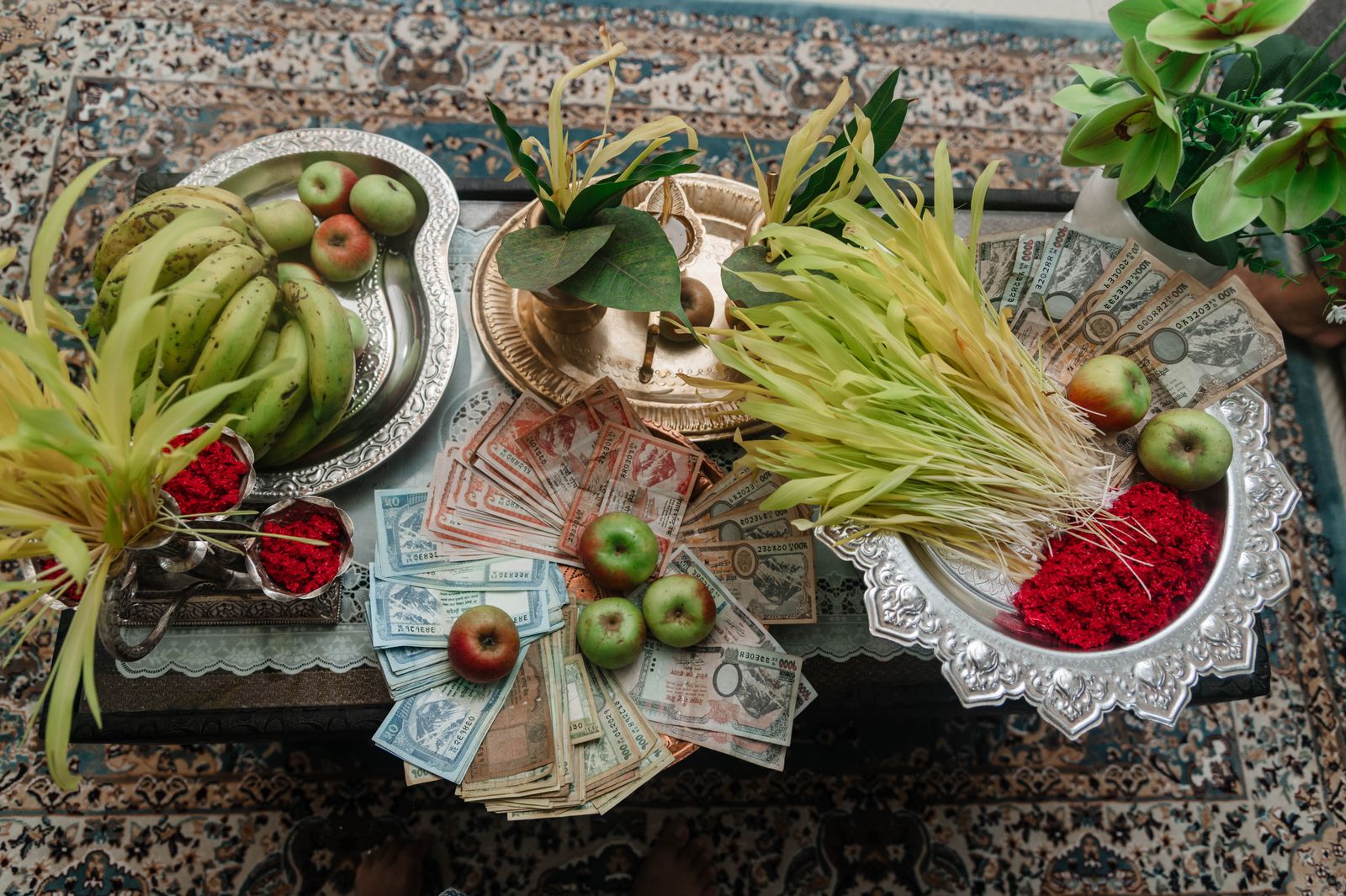
Money sent home by Nepalis working abroad equals about a quarter of the country's gross domestic product, and it contributed to 40% of poverty reduction between 2001 and 2011. Yet returning migrants earn less than people who never left, for roughly three years. That paradox runs through a new World Bank report on South Asia's demographics, and it suggests Nepal's long window may be less comfortable than it looks.
The report, Demographic Change in South Asia: From Tailwinds to Headwinds for Development, was released on 3 November 2026. It projects that Nepal's working-age population will peak in 2047 and that the country will become an aged society by 2059. That gives Nepal more time than most of its neighbours to prepare.
A longer clock, but a narrow base
The region as a whole is in a hurry. South Asia has 1.17 billion people of working age, and that number is expected to peak in less than a decade and then shrink. By 2049 the region will be an aged economy, with 14% of its people aged 65 and above.
The pace is unusual. The average developing economy takes 32 years to move from an ageing to an aged population; South Asia is expected to do it in 25, and at a lower level of income per head. Countries therefore have less time to build jobs and pension systems before the demographic tailwind fades.
Source: World Bank, Demographic Change in South Asia
The contribution of demographics to growth is already set to shrink. Since 2000, a larger share of adults in their prime working years has added 0.4 percentage points to the region's annual GDP growth. Between 2026 and 2050, the annual contribution is projected to fall to just 0.1 percentage point. For investors, the implication is plain: growth that came from simply having more workers will have to come from using them better.
Nepal's challenge is less the size of its workforce than the range of work available to it. The employment base is narrow. Construction has seen strong job growth, largely because of hydropower development, but the overall base remains limited.
Remittances and returnees
Overseas earnings have helped cut poverty, but the report finds returnees paid less than non-migrants for about three years after coming home. That suggests the domestic economy struggles to put foreign-acquired experience to work.
An economy that sends its young workers abroad and receives their earnings can look healthy while its capacity to employ skilled people at home stays weak. The returnee wage gap is one measurable sign of that possibility. The proposed remedy is practical: linking vocational training to job placement and life-skills programmes.
Source: World Bank, Demographic Change in South Asia
The World Bank also urges more productive jobs, stronger private sector participation and better access to finance for micro, small and medium enterprises.
Women, health and the uneven workforce
Two further constraints bear directly on labour supply. Women work on average nine hours less per week than men, largely because of unequal care responsibilities. Adolescent fertility remains high, which affects girls' schooling and later employment.
Health is the other drag. About 60% of Nepal's doctors are based in urban areas, although most of the population lives in rural ones. Health facilities' readiness to deal with noncommunicable diseases stands at 28.4%. Those gaps matter more as the population ages and long-term care becomes a bigger demand on households and the state.
Ageing without a pension
The second half of the challenge is old age. About 91% of Nepali workers aged 65 and above are in informal employment, which leaves most of them outside contributory pensions. Across South Asia, only 17% of the working-age population contributes to a pension scheme, and just 10% of older people receive pension benefits, the lowest coverage in the world.
Nepal has two foundations to build on. The Social Security Fund, established in 2018, runs a contributory scheme with a 31% contribution rate, and the government adds matching contributions of 9% for informal workers. The state also pays a universal Senior Citizen's Allowance of Rs 4,000 a month to those aged 70 and above, and to those aged 60 and above in the Dalit community and the Karnali region. The report says this income floor should be preserved and progressively expanded.
Johannes Zutt, the World Bank's vice-president for South Asia, said economies need to act now to create more and better jobs while preparing for ageing. The aim is a second dividend, in which healthier older people keep contributing to the economy.
What to watch
Watch whether job creation broadens beyond construction and hydropower, and whether small firms gain better access to finance. Watch the Social Security Fund's enrolment of informal workers, and whether the Senior Citizen's Allowance is expanded as the report urges. Finally, track the returnee wage gap: if it narrows, overseas work may be starting to build skills at home.
How this story was made: researched and written by The Standard’s desk with AI assistance, from the published reporting and official data credited below, and checked against those sources. Our standards.
The long view Nepal's remittance economy