Nepal and the US move to extend the MCC compact by a year as its power line runs late
The first 18 km of the $550m US grant programme is built. The rest of the 315 km line is on contracts that run beyond the August 2028 deadline, so Kathmandu wants more time.
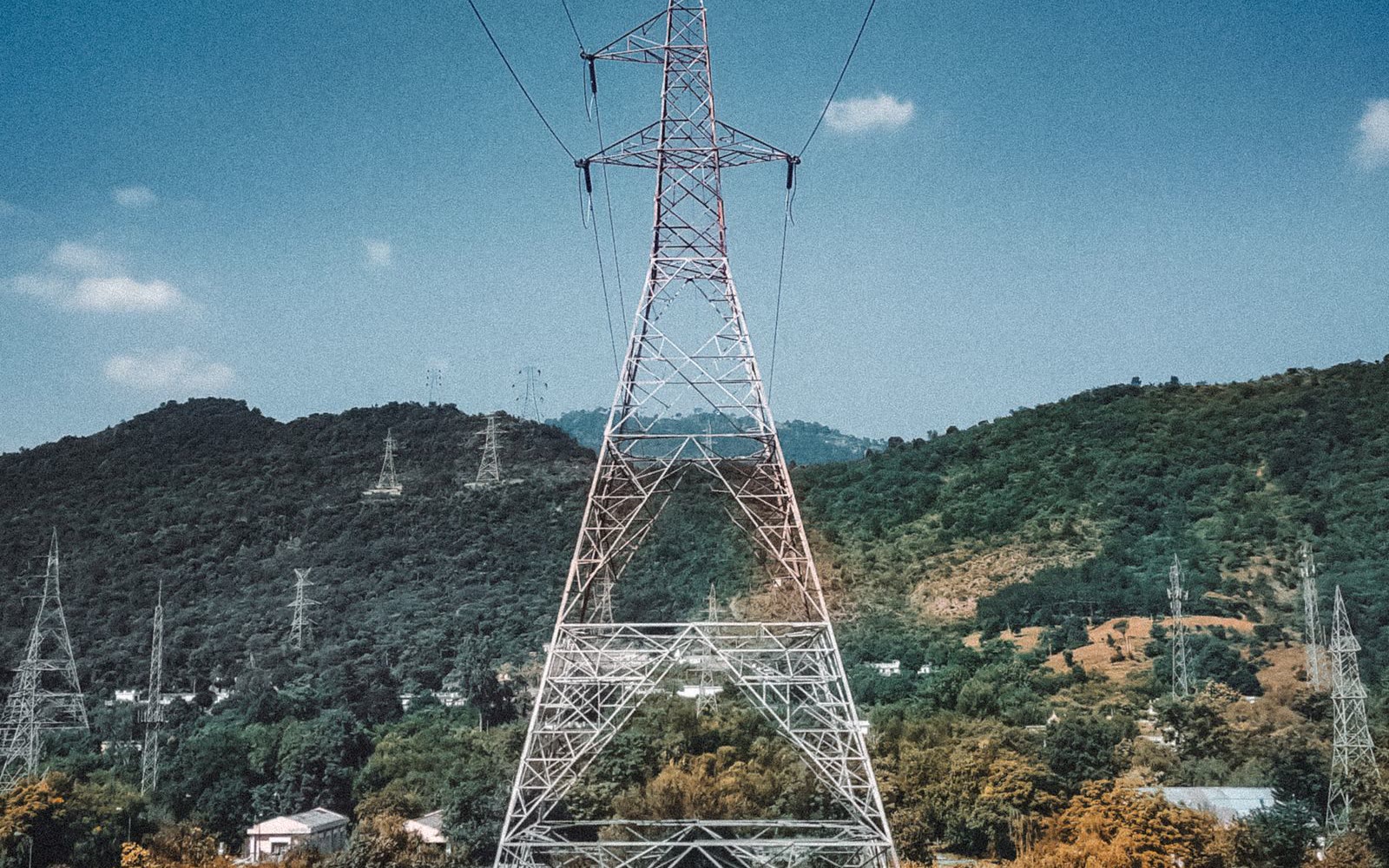
A $550m American grant programme in Nepal is running out of time. Nepal and the United States are close to agreeing a no-cost extension of up to 12 months to the Millennium Challenge Corporation compact, Onlinekhabar reported on 7 October, citing sources at the Ministry of Finance. The compact entered into force on 30 August 2023 and must normally be completed within five years, which sets a deadline of August 2028.
A no-cost extension lengthens the timetable without adding money. Millennium Challenge Account Nepal, the government body that runs the programme, has sent a proposal to the finance ministry, which must take it to the cabinet before Nepal formally asks MCC, Onlinekhabar reported. MCC's board could consider the request at a meeting scheduled for December. The US appropriations law for fiscal 2026 already allows for a possible one-year extension of the Nepal compact, subject to funds and notice to Congress.
The issue came up when Finance Minister Swarnim Wagle met Jason Small, MCC's acting vice-president, during a recent visit to the United States. According to the ministry source, both sides agreed in principle that the projects should be finished even if that requires more time.
Why the timetable slipped
Three things delayed the work. A review of US foreign assistance launched on 20 January 2025 halted implementation until Washington recommended continuing the Nepal programme in late July that year, an interruption of about seven months. Floods on the Trishuli river in 2025 and again this year added to the delay, Onlinekhabar reported. And an earlier tender for the transmission line was cancelled because the lowest bid came in about 60% above the estimated cost, forcing a rethink and an extra $50m from Congress.
The money now stands at $550m from the United States and $197m from Nepal, for a total of $747m, according to Onlinekhabar's account of the agreement, which Nepal signed on 14 September 2017. An MCA-Nepal statement carried by Diplomat Nepal described the compact as a $697m investment; the two figures were not reconciled in the reports.
What has been built
The first piece is finished. MCA-Nepal completed the 18 km line from the 400 kV New Butwal substation to the Indian border in mid-September, nine months after its foundation stone was laid, The Kathmandu Post reported. Spotlight Nepal reported that all 53 towers on the section were complete and that about Rs 1.24bn had been paid in compensation for land. The line still needs approvals and other arrangements before electricity can flow across the border, MCA-Nepal said.
The rest is under contract. MCA-Nepal awarded the last 117 km segment, running from Lapsiphedi in Kathmandu district to Ratmate in Nuwakot and on to New Hetauda in Makwanpur, to the Ashish-Bozlar joint venture for about $76.65m, with a construction period of 42 months, Diplomat Nepal reported. Earlier contracts cover 198 km from Ratmate to New Damauli and New Butwal, along with substations at Ratmate, New Damauli and New Butwal. A contract has also been awarded to upgrade the East-West Highway between Dhanakhet in Dang and Lamahi.
Those construction periods are the reason for the request. The contracts extend beyond the current deadline, Onlinekhabar reported, so without an extension the work could not all be completed under the compact.
The compact has moved slowly from the start: it took more than six years from signing to entry into force, Onlinekhabar noted. MCA-Nepal says the line is designed to improve the availability and reliability of electricity and to support cross-border power trade.
What to watch: whether the cabinet approves the extension request in time for MCC's December board meeting, the energisation of the New Butwal border line, and progress on the three remaining transmission packages.
How this story was made: researched and written by The Standard’s desk with AI assistance, from the published reporting and official data credited below, and checked against those sources. Our standards.
The long view Nepal's LDC graduation