Karnali bets Rs 12.3bn on tourism while Koshi backs young founders
Koshi has set aside Rs 8bn for youth business loans and Karnali Rs 12.3bn for tourism. At Rara Lake, a trail contract shows where delivery in Karnali can falter.
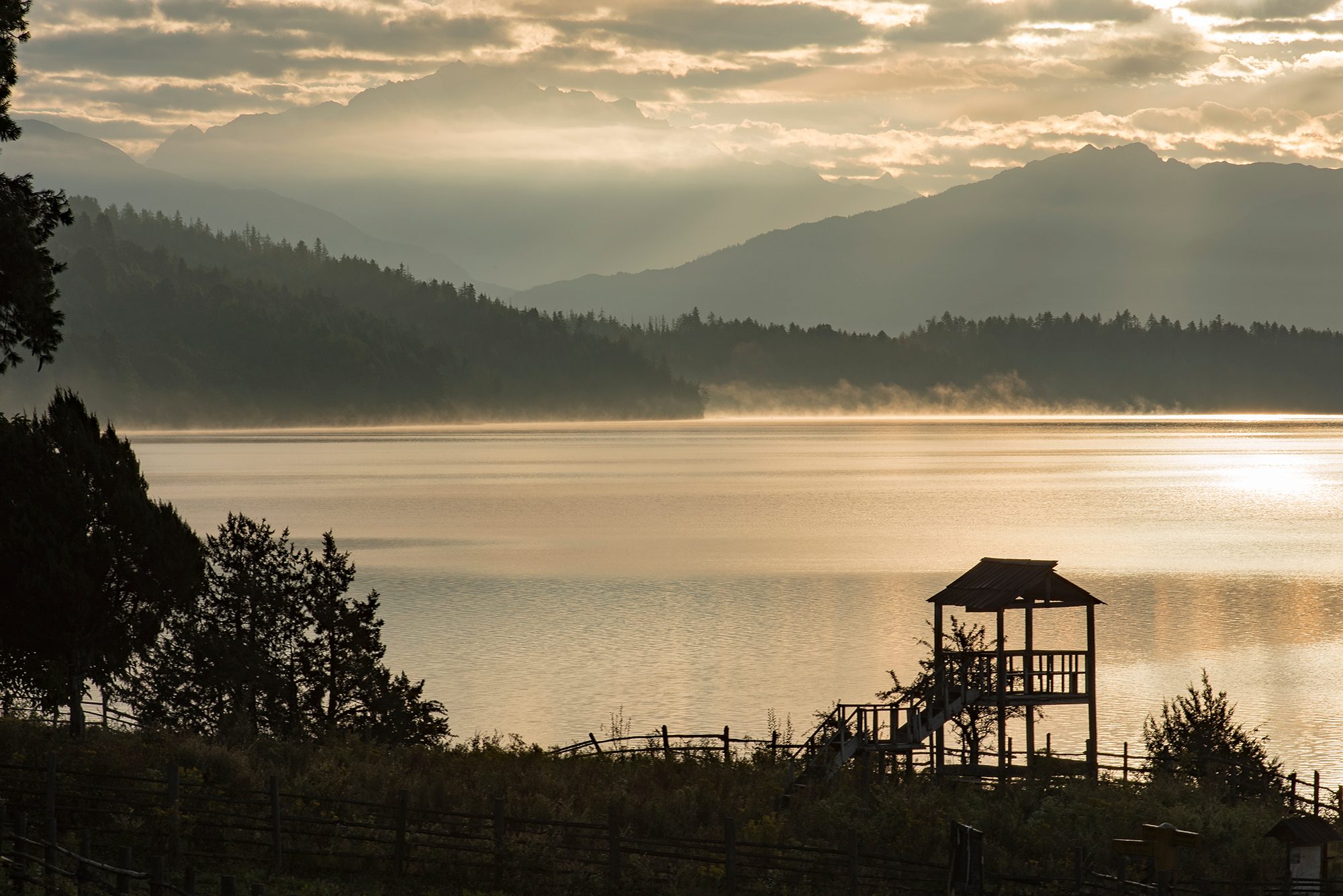
Rara is the largest lake in Nepal's remote north-west, in the mountain district of Mugu, and a trail meant to circle its shore is a test of how the state builds for tourists. The contractor has been paid 32% of its value, yet only 20% of the physical work is done, according to Online Khabar. Work has stalled.
The Rs 452.91m agreement was signed on 8 July 2022 (24 Ashar 2079 in the Nepali calendar). No wrongdoing is alleged. The figures show only that payments and progress have diverged, not why.
The project belongs to the provincial Ministry of Industry, Tourism, Forest and Environment in Karnali, which also prepared the province's tourism spending details. The planned trail runs about 15 kilometres around the lake, and stone paving is finished along roughly 11 kilometres. The deadline has passed, and officials have started the process of lengthening the contract.
Two provinces, two budgets
Nepal is a federation of seven provinces, each with its own government and budget. Koshi, in the east, has put Rs 8bn in its 2026/27 budget into subsidised loans, offered for three years, to young people starting small and medium-sized businesses. At the central bank's rate of Rs 150.56 to the dollar, set by Nepal Rastra Bank, that is about $53m. Chief Minister Hikmat Kumar Karki said the aim was to raise production and create jobs at home. He said earlier years had gone to laying foundations such as roads.
Karnali, in the remote north-west, has allocated Rs 12.3177bn, about $82m, across seven strategic programmes under its Tourism Master Plan, which covers 2020/21 to 2030/31.
- Tourism productsRs 4.32bn
- InfrastructureRs 2.98bn
- Community participationRs 1.22bn
- Heritage conservationRs 1.07bn
- Investment promotionRs 1.02bn
- Policy and human resourcesRs 0.87bn
- Destination marketingRs 0.83bn
Source: Karnali Ministry of Industry, Tourism, Forest and Environment, via Online Khabar
Where Karnali's money goes
Tourism products receive Rs 4.3215bn and infrastructure Rs 2.981bn, together well over half the total. Investment promotion and business development, the line closest to private operators, gets Rs 1.0185bn, about 8%.
The delivery gap
At Phoksundo Lake in Dolpa, another mountain district, the local Infrastructure Development Office is running a Rs 211.244m tourism project. It covers trails, rest shelters, two truss bridges, drinking water and viewpoint paths. Work on the Ringmo settlement beside the lake, where a museum and park are also planned, is 20% complete. Completion is targeted for the end of Ashar 2084 in the Nepali calendar, which falls in mid-July 2027.
For anyone planning a lodge, guiding service or transport business, completion dates matter as much as budgets. Rara shows that a budget line does not guarantee a finished facility.
Safety and records as business risk
There is a second constraint, less visible than concrete. Minister Kalyani Khadka said visitors fly into the Himalayan districts from Nepalgunj, a city in the southern plains, and that the authorities struggle to log who they are and keep them safe. Knowing where they walk, how they fare and how fast help can reach them is also hard.
Khadka said the province is working on movement records, information and security points on dangerous routes, tourist police and a stronger rescue system. Junu Hamal, Chief District Officer of Dolpa, the senior government administrator in the district, said monitoring has increased at every point of entry, including airports, and that visitor information is collected at Juphal Airport, Khadang and the district headquarters. Controls were tightened because more people were entering Dolpa without permits.
What to watch
Two markers matter for Karnali: whether the Rara contract extension leads to finished work; and whether tourist police and tracking systems are put in place. For Koshi, the marker is how the Rs 8bn loan programme reaches young entrepreneurs.
How this story was made: researched and written by The Standard’s desk with AI assistance, from the published reporting and official data credited below, and checked against those sources. Our standards.