Kimathanka and Tiptala: Nepal's northern trade routes
Koshi exporters hit by Indian duties see two Himalayan tracks to China as a cushion, but missing customs posts and all-weather roads keep the promise distant.
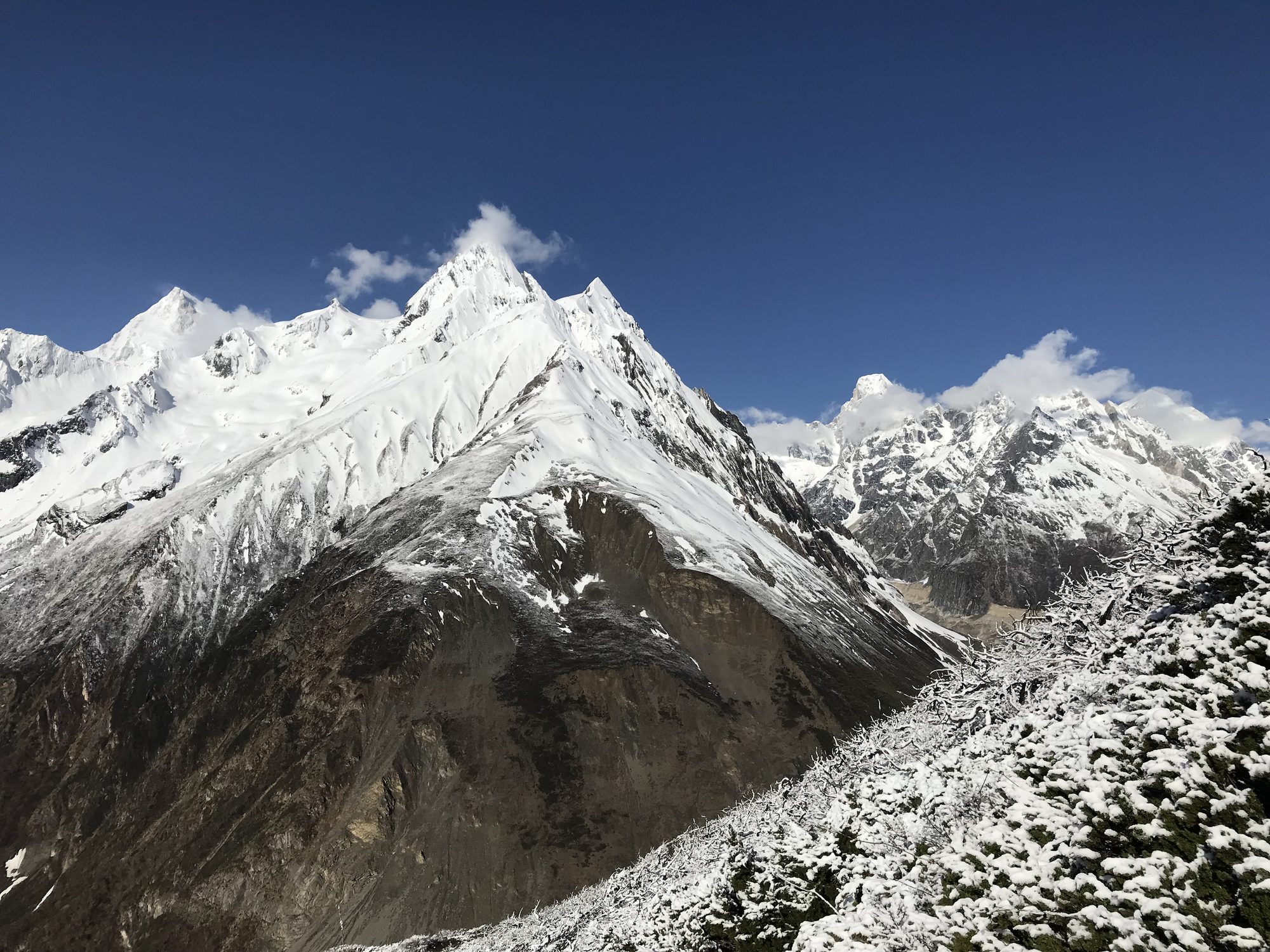
On 13 May 2026, three tractors loaded with food supplies crossed into Kimathanka, a settlement in Sankhuwasabha pressed against the Chinese border. It was the first crossing after the track was completed. Yet the village still has no customs post, no immigration desk and no quarantine facility. That gap between an arrival and a trade route is the story of Nepal's northern ambitions.
The question for Nepali business is whether two rough mountain tracks in Koshi Province can become a credible hedge against dependence on India, the market that dominates the country's trade. The evidence suggests the hedge is real in principle and thin in practice.
Why Biratnagar is looking north
Policy shifts in New Delhi have repeatedly hit the industrial belt around Biratnagar. India raised anti-dumping duties on Nepali jute products from 4% to 16%, pushing an export-oriented sector nine decades old into crisis. Earlier, non-tariff barriers stopped shipments of Nepali orthodox tea for nearly two months.
The common thread is concentration. A single dominant buyer can change the terms overnight, and exporters have no alternative outlet when it does. Jute mills that rely on India now face possible permanent closure.
Source: Clickmandu
An operating northern route would not replace India. It would offer something smaller but valuable: a second supply line for industrial raw materials, and a direct path for agro-industrial exports. Industrialists in Biratnagar emphasise that it would work as a cushion against sudden decisions in New Delhi.
Two corridors, very different states of readiness
The Jogbani to Kimathanka route runs about 390 kilometres from the Indian border in Bihar to the Chinese frontier. The 200-kilometre stretch from Jogbani to Khandbari is asphalted. Blacktopping is under way on the 39 kilometres from Khandbari to Num. Above Num the road is unpaved.
Construction on the Khandbari to Kimathanka stretch began in fiscal year 2008/09 and has consumed roughly Rs 16.20bn by October 2026, or about $107m at the central bank's rate of Rs 151.44 to the dollar. Steep cliffs and the need to blast hard rock dragged the project out for years. The track was completed after the Nepal Army handed the Chyamtang to Ghonggappa section to the Department of Roads on 10 May 2026.
- Construction begins on Khandbari to Kimathanka
- Army hands Chyamtang to Ghonggappa section to Department of Roads
- Three tractors with food supplies reach Kimathanka
Source: Clickmandu
The second gateway is Tiptala Bhanjyang in Taplejung, about 246 kilometres from Kakarbhitta and 253 kilometres from Biratnagar. The Nepali track has reached the border, and cargo carriers have begun to use it, though service is sporadic. Heavy snowfall is a constant hazard. On the Chinese side, an asphalt road already links the pass to Riu in Dinggye County, about 30 kilometres away.
The missing half of the corridor
The binding constraint is not the track but the state apparatus around it. The customs and administrative offices once based at Kimathanka were moved to Khandbari during the armed conflict and have not returned. China, by contrast, has built highways, communications and customs complexes on its side. Without inspection, tariff collection and recording of flows, regular commerce cannot happen.
Tiptala is a little further along. Customs officials have been posted on the Nepali side, and the Olangchung Gola customs office, largely shut since the COVID-19 pandemic because of staff shortages, was revived in May or June 2026. But trade stops in the monsoon, when the road becomes impassable. Chheten Lama Sherpa, ward chair of Phaktanglung-7, says lasting state intervention and all-weather roads are needed. He expects volumes to rise mainly in winter.
Flows through Tiptala remain negligible. Nepal sends medicinal herbs and yak ghee and brings in clothing and consumer goods. Entrepreneurs in Fungling have set up seasonal winter trading links with Riu.
Nabin Rijal, a former president of the Morang Merchants' Association and a central committee member of the Federation of Nepalese Chambers of Commerce and Industry, argues that bilateral protocols with Beijing, border infrastructure and synchronised facilities on both sides are indispensable. Dirt tracks, he says, will not carry raw materials or finished goods.
What the corridors could carry
If developed, Kimathanka could channel high-value hill products into China: large cardamom, rudraksha beads, chiraito, medicinal herbs and yak derivatives. Better transport would also cut the cost of hauling grain, medicine and essentials up from the plains. Tourism around Makalu, the Makalu-Barun National Park and the Arun Valley could follow, though lodging, healthcare and security are still undeveloped.
Business chambers go further, arguing that the routes could eventually support transit among India, China, Bangladesh and Bhutan. That is an aspiration, not a plan. The transit idea would depend on all-weather paving, formal agreements with neighbours and a customs regime that does not yet exist.
The more realistic near-term gain is narrower: seasonal, low-volume trade in lightweight, high-value goods, and a signal that Nepal has options. Whether that changes anything for jute mills in Biratnagar is doubtful, since bulky industrial goods need year-round trucks.
What to watch
Watch for three things. First, whether the government funds and staffs customs, immigration and quarantine posts at Kimathanka. Second, whether Kathmandu and Beijing finalise bilateral trading protocols. Third, whether paving advances above Num and on the Tiptala approach before the next monsoon. Until those arrive, the northern corridors are a promising map rather than a market.
How this story was made: researched and written by The Standard’s desk with AI assistance, from the published reporting and official data credited below, and checked against those sources. Our standards.
The long view Nepal's LDC graduation