Nepal's health insurer clears Rs 23bn of hospital bills, but only up to December
The Health Insurance Board paid hospitals Rs 23.44bn after private providers suspended services, yet claims since mid-December 2025 remain unfunded and a promised overhaul has no financing plan.
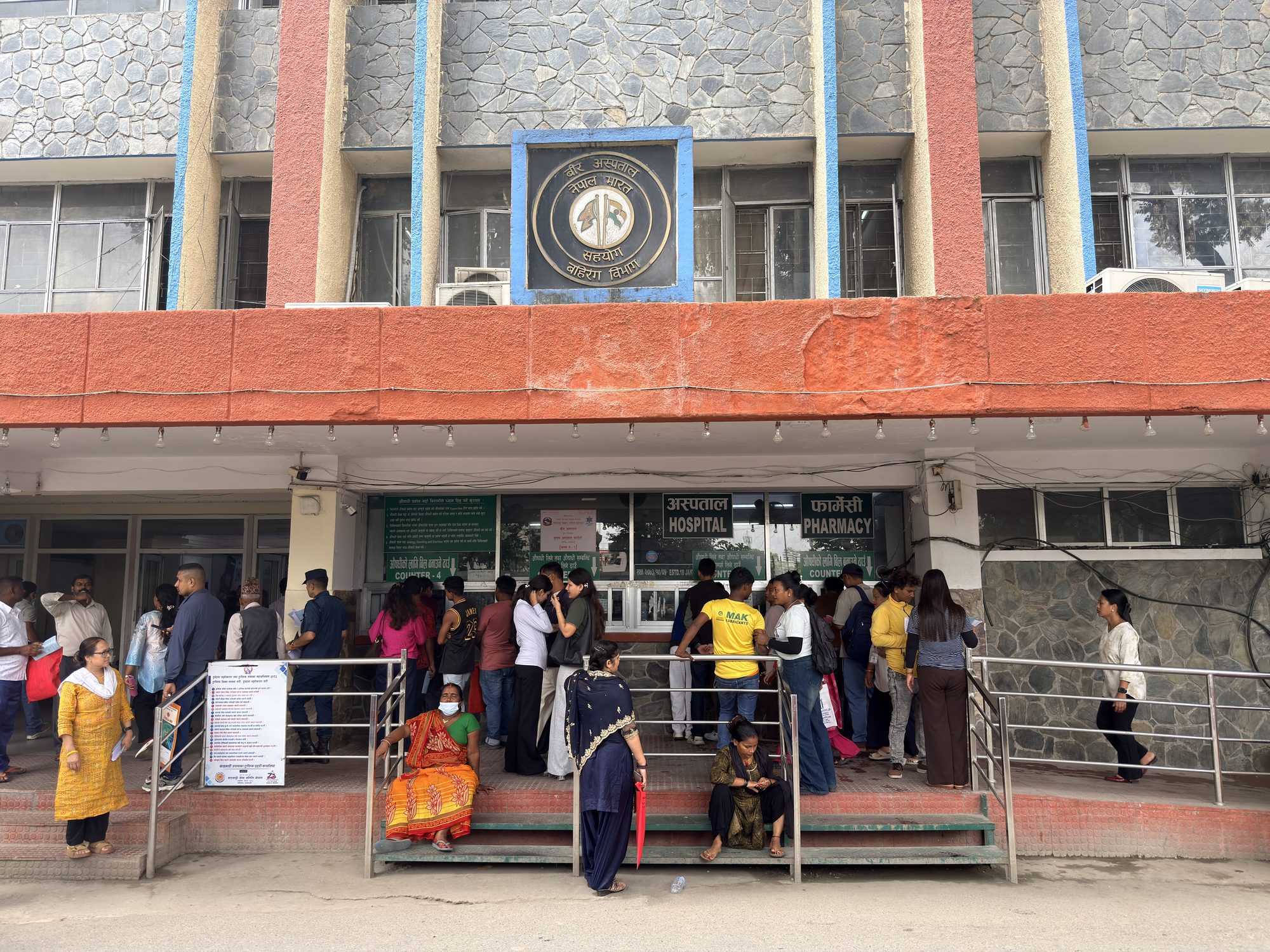
Nepal's government health insurance programme has spent the year lurching between suspension and rescue. The Health Insurance Board paid Rs 23.44bn (about $151m) to hospitals and health facilities in the 2025/26 fiscal year, clearing every claim made up to mid-December 2025, ShareSansar reported in July. Hospitals that had halted insured services began restarting them. Claims made since then are still waiting for money.
How the arrears built up
The programme, launched in 2016, covers nearly 10 million Nepalis, according to The Rising Nepal. Its finances have not kept pace with use. Nepali Times reported that the board charged a flat premium of Rs 3,500 because it lacked income data to set income-based contributions, and that enrolment without compulsion drew in people who were already ill. The medical loss ratio, claims paid against premiums collected, reached 220%, against 80% to 85% for a viable scheme, according to Nepali Times. By January 2026 more than 50 hospitals had suspended insurance services, the paper reported.
In February the health ministry released Rs 750m to keep the programme going after more than three dozen private and community hospitals stopped insured treatment, Asia Insurance Review reported, when the board acknowledged owing providers nearly Rs 11bn.
The position worsened. On 29 May the board suspended all non-emergency insured services at private health institutions, citing financial pressure and growing liabilities, The Rising Nepal reported. It owed more than Rs 16bn, and claims were arriving at about Rs 80m a day.
The payout and what it leaves
The July payment ended that suspension, but the board itself cited limited resources, structural hurdles and the lack of a permanent funding system as the reasons for earlier delays, according to ShareSansar. It said it was working with the authorities to fund claims made after mid-December 2025, and appealed to the public to avoid unnecessary procedures.
For private hospitals the issue is cash flow. An insured patient brings revenue only when the board pays, and a backlog of several months turns a hospital's insurance business into an unsecured loan to the state.
The promised overhaul
Finance Minister Swarnim Wagle's budget in May promised to fold scattered health programmes and liabilities into one payment system and to cover 90% of citizens within three years, Insurance Business reported. No detailed financing plan or rollout schedule has been published, the magazine noted.
The budget also proposed a 3% equity fee on private schools, colleges, hospitals and nursing homes, to fund public services. Prime Minister Balendra Shah withdrew it on 21 July, saying it would burden ordinary citizens, Online Khabar reported. That removed one possible new source of money for public health.
Earlier in the year, the health minister, Nisha Mehta, said the government was preparing a separate plan to solve the insurance problem, after it was left out of the government's 100-point reform agenda, The Rising Nepal reported in March.
The size of the unpaid claims built up since mid-December 2025, and whether the finance ministry releases money for them before hospitals again suspend services, is the immediate test. The details of the single payment system promised in the budget, including how premiums will be set, will decide whether the scheme stops running a deficit.
How this story was made: researched and written by The Standard’s desk with AI assistance, from the published reporting and official data credited below, and checked against those sources. Our standards.