Burnt banknotes and arrest warrants: the money-laundering inquiries after September 9
Cash fragments in burned homes started a probe into three former prime ministers. The cases are moving slowly.
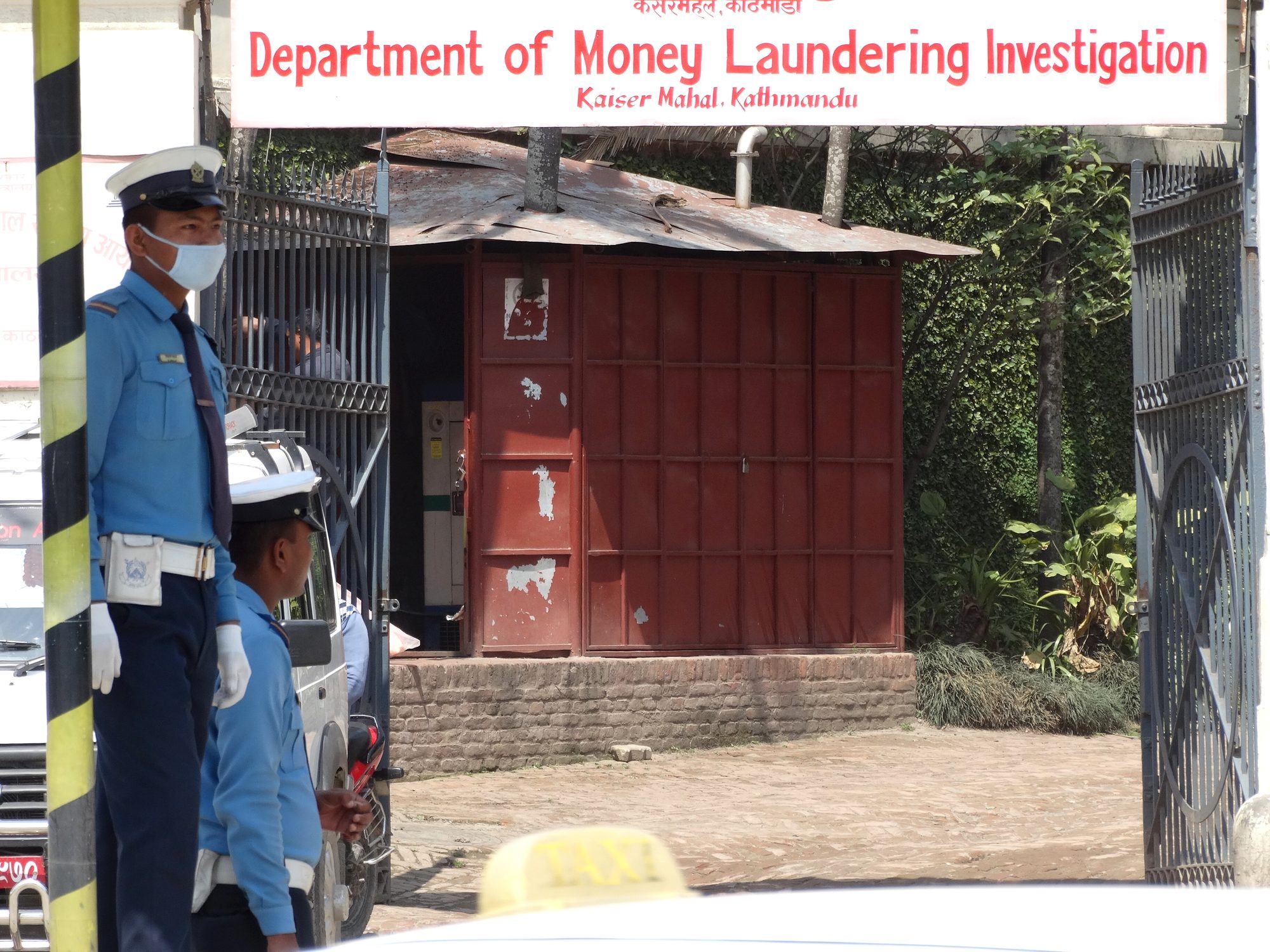
When politicians' homes burned on 9 September 2025, investigators later found fragments of burnt banknotes in the ruins. Laboratory tests confirmed that the fragments were genuine currency, the Kathmandu Post reported, in an article republished by Asia News Network. The Department of Money Laundering Investigation's inquiries reached the top of politics: the former energy minister Deepak Khadka was detained, and arrest warrants were issued for the former prime minister Sher Bahadur Deuba and his wife, the former foreign minister Arzu Rana Deuba, OCCRP reported. More than a year after the fires, none of those named has been convicted, and the most prominent case has stalled on questions of procedure.
On 7 April the Kathmandu District Court approved arrest warrants for Sher Bahadur Deuba and Arzu Rana Deuba, who were abroad, the Post reported. The department also froze assets registered in the couple's names, the Post reported.
Deuba has rejected the accusations throughout. In an April Facebook post quoted by the Post, he said there had been "misleading and false propaganda" about his family's property and that a true and accurate account of their assets had been submitted to the authorities. He returned to Nepal on 13 August after nearly six months abroad for medical treatment and denied the allegations, calling the case "a conspiracy, although I do not know who is behind it", AFP reported in a dispatch published by The Star.
Setbacks for the investigators
The case has run into trouble abroad and at home. Interpol declined Nepal's request for a red notice in early May, calling the grounds insufficient and raising questions about the legal basis on which the investigation was being conducted, the Post reported. A second request was also refused for lack of the required documents, Kantipur reported on 25 May. Sanjeev Raj Regmi, a deputy attorney general, told the Post: "The investigative agencies must answer why this happened."
On 25 May a Supreme Court bench of Justices Mahesh Sharma Poudel and Nityananda Pandey barred the couple's arrest, Himal Press reported. The bench said offences investigated by the department fall under the jurisdiction of the Special Court, and that the district court's warrant appeared to have become void. The Post has since described the warrant as annulled.
Why it matters to business
Nepal is on the Financial Action Task Force grey list for weak anti-money-laundering controls, and the government has pledged an action plan, OCCRP reported. Cases that falter on procedure do little to persuade assessors that the system works. The inquiries have also reached business: OCCRP reported that the chairman and vice chair of the Shanker Group were arrested in connection with the money-laundering investigation into Bhatta. Fair prosecutions that end in a verdict, whichever way it falls, matter to banks and foreign investors as much as to voters.
What to watch
The questions now are whether the case moves to the Special Court, which the Supreme Court bench said has jurisdiction; and whether investigators seek fresh action now that Deuba is in the country. For what grey-listing costs Nepali lenders, see our explainer on the FATF grey list; for the government's wider dealings with business, see our report on the prime minister's courtship of business leaders.
Right of reply: this article draws on published reporting, and The Nepal Standard did not contact the people named for it. Anyone named may send a response to [email protected]; we will publish relevant replies in full or in fair summary, normally within three working days. An arrest, investigation or charge is not a finding of guilt.
How this story was made: researched and written by The Standard’s desk with AI assistance, from the published reporting and official data credited below, and checked against those sources. Our standards.
The long view The Gen Z uprising and business