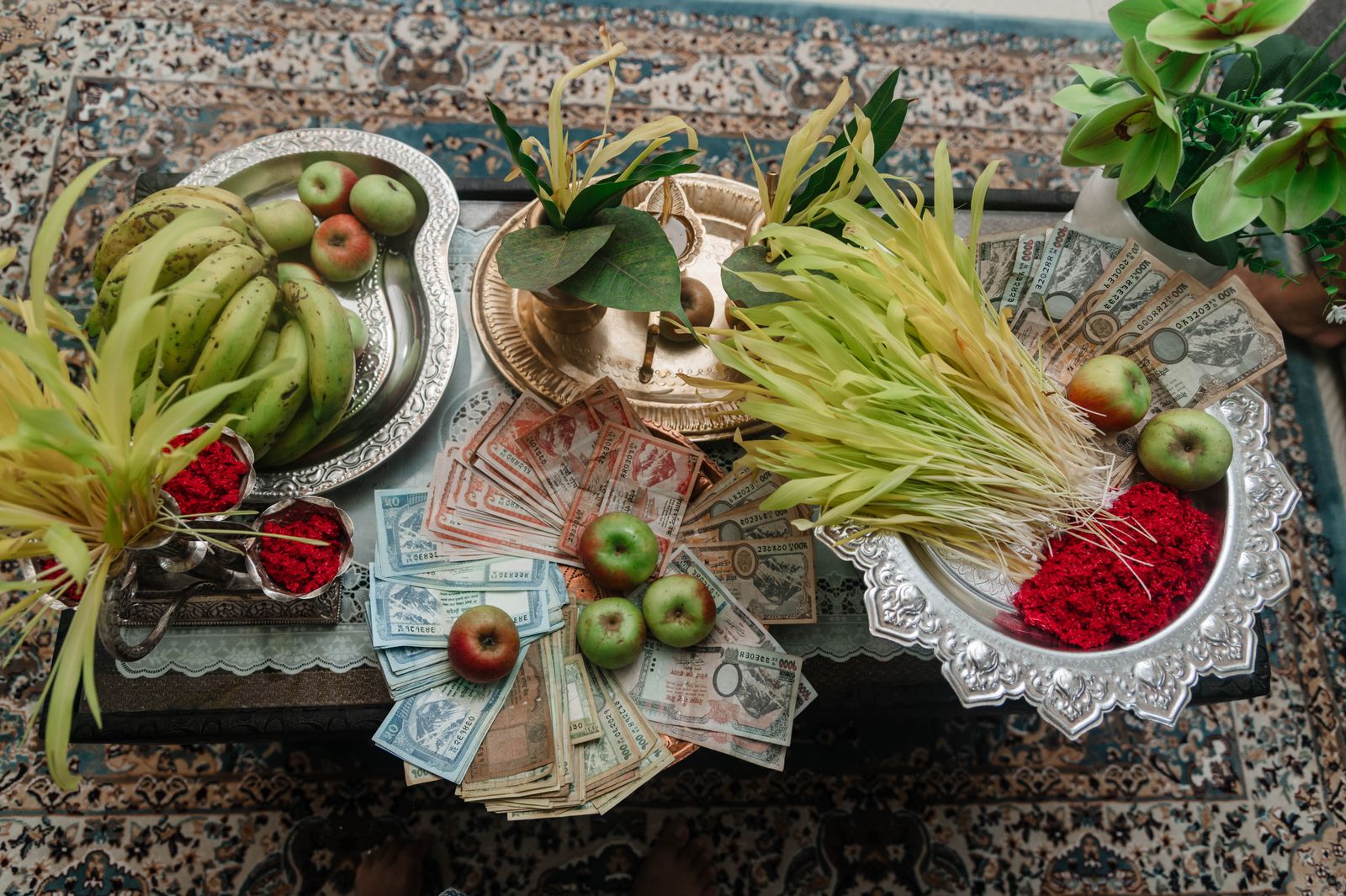
Dashain apples expose Nepal's reliance on China trade routes
A closed border, a three-day reopening and a costly detour via Kolkata show how thin Nepal's festive supply lines are, and who pays when they snap.

More than 45 containers were waiting at Nyalam in Tibet for the chance to enter Nepal. They carried goods for Dashain, the autumn festival that runs on fruit, gifts and family meals.
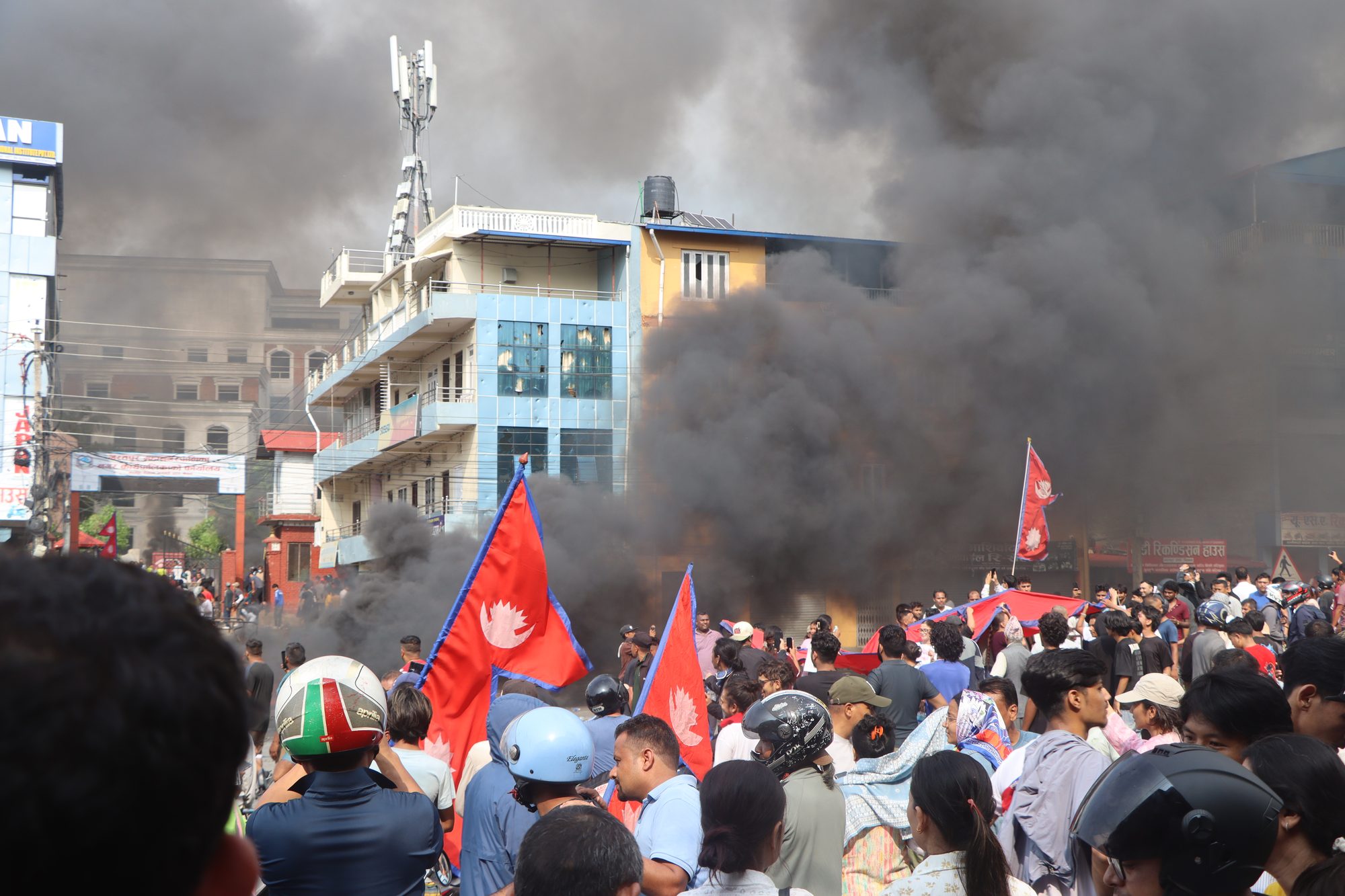
China shut the Tatopani border point entirely on 31 August 2026, until further notice, and then opened it temporarily for three days. The episode is small in scale but revealing. Nepal's festive supply rests on a few mountain roads, and on this occasion the Chinese authorities decided when the gate opened. The question for anyone watching Himalayan trade is how exposed that supply is, and who absorbs the cost when the routes fail.
The reopening
Cargo vehicles from the Tibet Autonomous Region began entering Nepal through Tatopani once the crossing reopened. Dipendra Prakash Giri, the customs chief there, said Beijing's officials opened it to ease the flow of festive and essential goods.
A three-day opening is hard to plan a season around. Flood damage and infrastructure problems have hit the northern crossings.
The detour and its price
Traders have rerouted rather than stopped. A container sent through Tatopani had cost between Rs 60,000 and Rs 100,000 before the disruption, according to fruit trader Amar Baniya, while the same trip through Korala in Mustang can reach Rs 500,000. Freight from Kolkata port in India has doubled, from $2,500 to $5,000 a container.
Those costs are reaching shoppers. Ordinary Chinese apples have risen by Rs 40 to Rs 50 a kilogram, and Fuji apples are expected to follow.
Korala has taken a share of the diverted traffic. In about a month, the crossing at 4,650 metres handled 2,418 tonnes of fruit and food, the quarantine office at Nechung reports. Walnuts (770.84 tonnes) and apples (703.8 tonnes) made up about three-fifths of the total, followed by pears, raisins, mangoes, dragon fruit and grapes. From there, goods travel 186 kilometres by road via Jomsom and Beni to Pokhara.
- Walnuts770.8
- Apples703.8
- Pears232.9
- Raisins222.8
- Mangoes103.4
- Dragon fruit87.13
- Grapes66.19
Source: Plant Quarantine and Pesticide Management Center, Nechung, via Nepal News
The route is useful, but it carries risks. The quarantine office has six staff, and goods worth more than Rs 3 million were lost in transit on occasions when roads were blocked.
Why apples are the test case
Apples are a clean measure of the exposure. In 2024/25, total supply was 150,202 tonnes, of which 90,253 tonnes, or 60.09%, was imported. Domestic output has grown by about 23% since 2020/21, to 59,949 tonnes, yet the domestic share is still below 40%.
China's weight within imports dipped and then recovered. Its share fell to 64.64% in 2022/23, when India supplied 35.30%. China then supplied 71,181 tonnes of 82,145 tonnes in 2023/24 and 79,865 tonnes of 90,253 tonnes in 2024/25.
India's supply fell to 10,387 tonnes in 2023/24. Indian varieties such as Shimla and Kashmiri remain on the market, and traders expect them to prevent a shortage.
The figures for 2025/26 show 102,484 tonnes imported, 85,766 tonnes of it from China, a share of 83.69%.
Why home-grown apples do not fill the gap
In theory, a disrupted import market should favour growers in Jumla, Mustang and Manang. In practice it has not. Domestic apples now fetch Rs 250 to Rs 270 a kilogram wholesale, against Rs 140 to Rs 150 before, and Baniya expects them to account for less than 10% of festival sales.
The harvest runs from mid-August to mid-December, so local fruit does reach markets during the festivals. A government report sees scope for import substitution, exports and processing. For now, though, local fruit costs too much to take share.
What to watch
- Whether China extends the Tatopani opening beyond three days, or closes it again.
- Whether the Rasuwagadhi crossing is repaired and reopened.
- Whether India's share of apple imports rises again, as it did in 2022/23.
- Retail prices for Fuji and ordinary Chinese apples through Dashain and Tihar.
How this story was made: researched and written by The Standard’s desk with AI assistance, from the published reporting and official data credited below, and checked against those sources. Our standards.
The long view Nepal's LDC graduation