Nepal's 24-hour scam centre puts banks, wallets and police in one room
A new response centre seats banks, wallet providers and telecoms beside the police, with a one-hour clock on each complaint.
For victims of online fraud in Nepal, the hardest part has often come after the theft. Official letters between agencies could take months to be exchanged, a police spokesman said, and victims were often forced to pursue their cases for up to a year.
On Friday, 6 November 2026, the government began a different arrangement: a round-the-clock centre in which the institutions that hold the money sit beside the police who investigate the theft. For banks, wallet providers and telecoms, it turns fraud response from a correspondence problem into a staffing and compliance obligation.
One room, three shifts
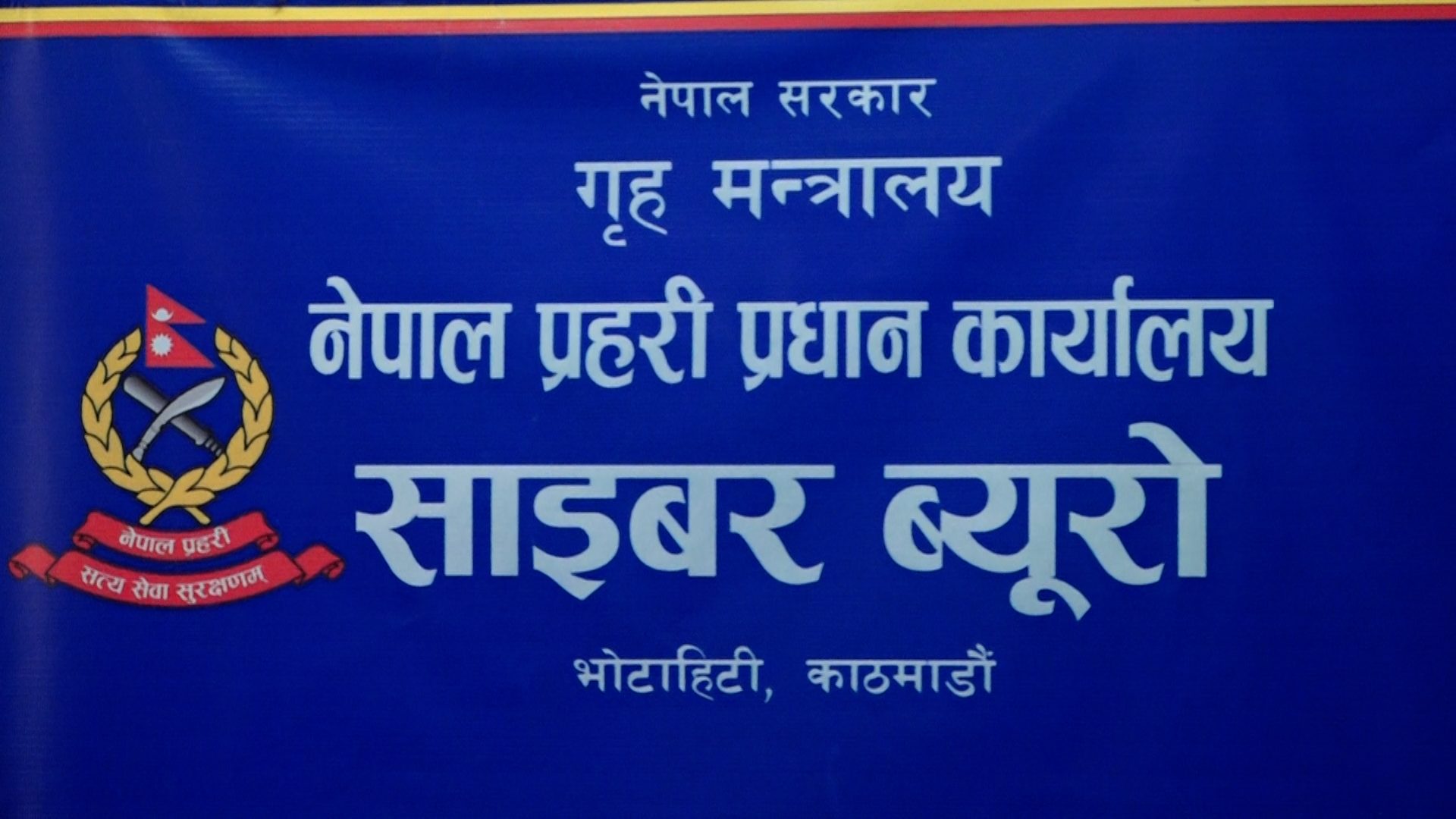
The Integrated Anti-Cyber Scam Response Centre is based in the new Nepal Police Cyber Bureau building in Samakhusi, Kathmandu. It operates under a guideline approved by the home ministry in 2026. Its aim is to stop scammers from cashing out or moving stolen money, and to dismantle the networks behind the fraud.
The staffing shows how much the state is asking of the private sector. A total of 114 people are to be deployed across three shifts. The 20 Class 'A' commercial banks, the largest tier of lenders in Nepal, supply 60 of them, 20 on each shift. That is more than half the headcount.
- Class A banks60
- Nepal Police33
- Khalti and eSewa6
- Nepal Telecom and Ncell6
- Nepal Rastra Bank3
- Internet Service Providers Association3
- Development Bankers Association3
Source: Guideline on the Establishment and Operation of the Integrated Anti-Cyber Scam Response Centre 2026
The police contribute 33, nine on each shift plus six for daily operations. Nepal Telecom and Ncell provide six between them. The central bank, Nepal Rastra Bank (NRB), the internet service providers' association and the development bankers' association each send three. The wallet operators Khalti and eSewa each place one representative per shift.
A clock on every complaint
The design is built around time limits. A complaint, whether it arrives by hotline, app or online portal, must be entered in a case management system within 10 minutes. In the same period it receives a reference number and is classified and prioritised by the pattern of the suspected scam.
- 1Complaint logged, classified and prioritised within 10 minutes
- 2Banks and wallets trace the funds in 10 to 30 minutes
- 3Freeze requests sent in 10 to 60 minutes
- 4Action started within the same 60 minutes to deactivate SIM cards and block phishing domains
Source: Guideline on the Establishment and Operation of the Integrated Anti-Cyber Scam Response Centre 2026
Officials from banks and payment firms are expected, within 10 to 30 minutes, to pinpoint where the money landed, when it moved and the path it took. Within an hour of the complaint, freeze requests go out simultaneously to the bank or wallet provider involved. If funds have already moved on, officials follow them and seek freezes at each later destination.
The guideline also targets the scammers' tools, including mobile numbers, SIM cards, phishing domains and IP addresses.
Home ministry spokesperson Ananda Kafle said delays in coordination can mean the money has already disappeared, which is why the agencies are being brought together under one roof.
The early version will be modest. Hotline complaints will at first be kept in Excel sheets or an internal system. A software platform called AFRS, still under development, is intended to send fraud alerts to banks, log calls and complaints, and maintain a central database.
Governance
The guideline sets up three tiers. A 12-member steering committee, chaired by a joint secretary of the home ministry's Security and Coordination Division, gives policy direction. Its members come from the finance ministry, the money laundering investigation department, the attorney general's office, NRB, the Cyber Bureau, the telecoms regulator, the Nepal Bankers' Association and others. Below it, an operations coordination committee chaired by the director of NRB's Payment Systems Department monitors effectiveness and the performance of deployed staff. A Nepal Police superintendent leads the day-to-day team.
Other development banks, finance companies and payment firms need not station staff at the centre, but must keep liaison officers reachable around the clock.
Deputy Superintendent of Police Deepak Raj Awasthi called the model "a good example of a public-private partnership". Sajan Sharma, chief executive of City Tech and a former president of Fintech Alliance Nepal, welcomed it as a first step towards faster information-sharing, but said it would be unrealistic to expect fraud to vanish overnight.
What to watch
- Whether the 60-minute marks for freeze requests are met in practice, and how many frozen funds are returned to victims.
- How quickly AFRS replaces spreadsheets and manual logging.
Right of reply: this article draws on published reporting, and The Nepal Standard did not contact the people named for it. Anyone named may send a response to [email protected]; we will publish relevant replies in full or in fair summary, normally within three working days. An arrest, investigation or charge is not a finding of guilt.
How this story was made: researched and written by The Standard’s desk with AI assistance, from the published reporting and official data credited below, and checked against those sources. Our standards.