Nepal accepts $305m from ADB for roads: what it means for debt
A $285m concessional loan and a $20m grant give road builders a possible pipeline and add to external debt, but the interest rate, maturity and project list are not yet public.
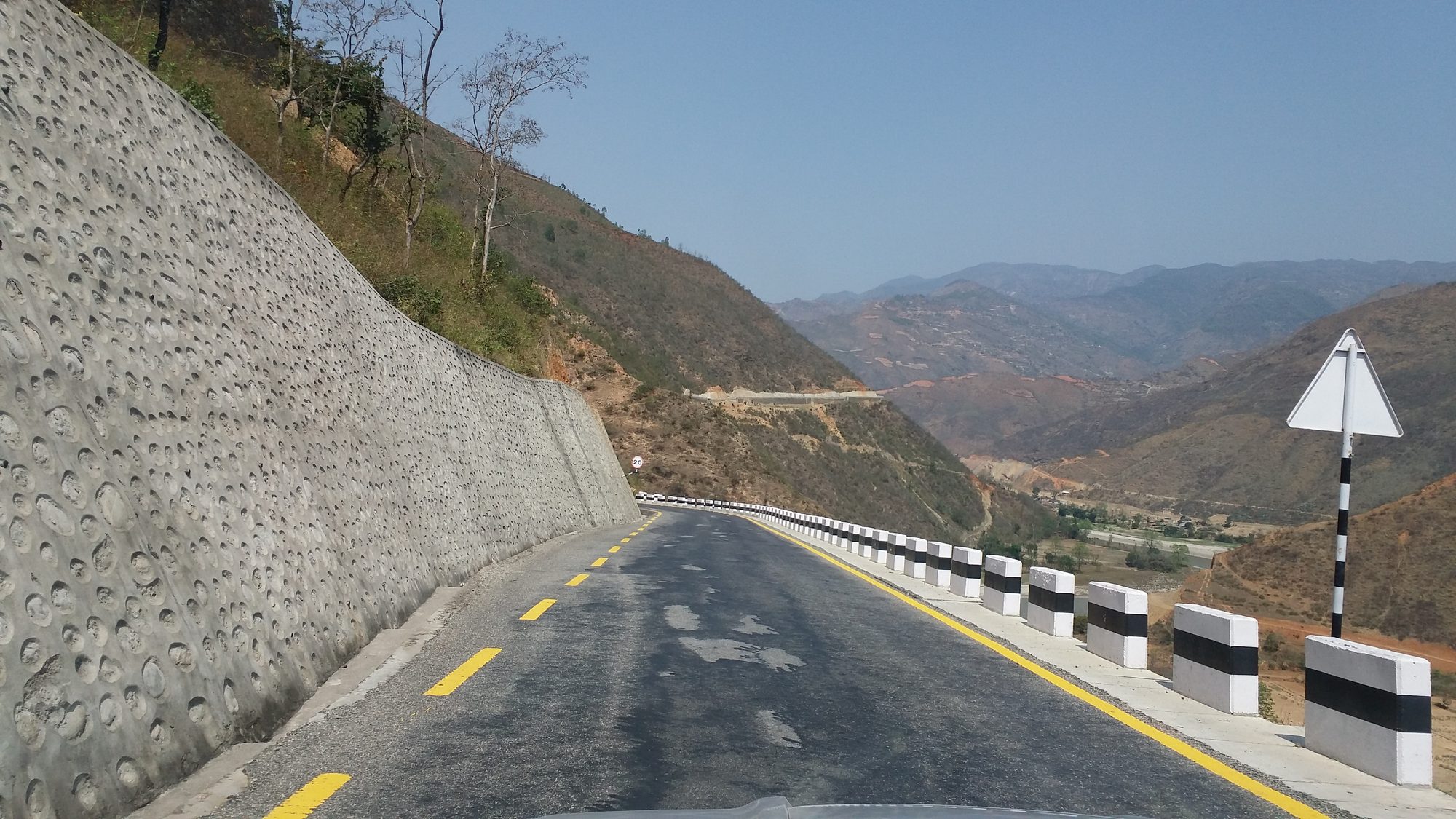
Nepal's cabinet disposed of a $305m road package in the same sitting as fertiliser rules, a climate delegation and land deadlines. The Council of Ministers met at Singhadurbar, the seat of government in Kathmandu, on 3 November 2026 and approved six items. The largest was the money from the Asian Development Bank (ADB) for road improvement. At the central bank's rate of Rs 152.23 to the dollar, that is about Rs 46.4bn.
The question for businesses and bankers is what a sum of that size does to the two groups closest to it: the contractors who may build the roads and the taxpayers who will eventually carry part of the bill. What follows is analysis built on the few facts the cabinet has made public.
What the cabinet accepted
The package has two parts: a concessional loan of $285m, about Rs 43.4bn, and a grant of $20m, about Rs 3.0bn. Concessional lending carries easier terms than commercial borrowing. The interest rate, repayment period and grace period have not been announced. Nor have the roads, the provinces or the number of projects.
Those gaps matter, because the cost of the loan to the public purse depends mostly on those terms. Any judgement on affordability has to wait for the loan agreement.
The composition is clear. The loan makes up roughly 93% of the package and the grant roughly 7%.
- Concessional loan$285m93%
- Grant$20m7%
Source: Cabinet decision as reported by Nepal News and Himal Press
What it means for public debt
A grant does not have to be repaid. A loan does, so about $285m of the package becomes a liability that future budgets must service. Concessional money is usually cheaper than commercial debt, though that is general context, not a finding about these particular terms.
The more useful reading is about trade-offs. Roads are among the largest items in any development budget, and the package lets the government add road spending without drawing the same amount from its own revenues. The price is a larger external debt stock.
Two points will decide whether this proves prudent. The first is how much of the loan the government can disburse on schedule. Multilateral loans can sit partly unspent when projects run late, which can leave a borrower paying commitment costs on money it has not used. The second is whether the roads are built to last. A road that needs rebuilding within a few years leaves the debt in place after the benefit has faded. Neither can be judged from the cabinet announcement alone.
What it means for contractors
For construction firms, the decision signals possible future work rather than a contract. No procurement rules, bidding procedures or timelines have been published, so the approval should not be read as an award.
Still, the direction is useful. Projects financed by multilateral lenders usually follow formal tendering, and larger packages tend to favour firms with strong balance sheets and a record of finishing on time. Smaller firms may find openings through subcontracting or lots sized to suit them.
The cash side is the real test for the sector. Donor-backed projects can ease payment risk because funds are earmarked, but only when the paperwork on the government side moves. Banks that lend to contractors against such projects will want to see signed agreements and disbursement schedules before extending credit. Anyone planning equipment purchases or hiring on the strength of the announcement is ahead of the facts.
The fertiliser decisions in the same sitting
The agriculture decisions are separate from the road money. The cabinet added nano fertilisers, biostimulants, and commercially produced and marketed biological and organic fertilisers to the list of essential substances. It also endorsed the Fertilizer Control Order, 2026.
What the order requires has not been described, so its effect on importers, producers or prices cannot be stated. Adding newer product categories to the essential list suggests a framework that reaches beyond conventional chemical fertilisers. Whether that brings tighter controls, easier handling or both will depend on the order's text.
The rest of the agenda
The cabinet approved additional government investment in Nepal Reinsurance Company Limited through subscription to its right shares. The size of the investment was not given.
It approved a high-level delegation to COP31, the UN climate conference, which runs from 9 to 20 November 2026 in Antalya, Türkiye. Landowners and tenant farmers now have until the end of November 2028 to apply for partition of tenanted land, and the deadline for completing the process has moved to 15 July 2029. Finally, the cabinet recommended that the President issue ordinances to amend the Press Council Act and certain laws on culture, tourism and civil aviation.
What to watch
- The loan agreement: its interest rate, maturity and grace period will determine how heavy the $285m is over time.
- Procurement notices: the first tenders will show which road corridors are covered and whether domestic contractors can compete for the larger lots.
- The text of the Fertilizer Control Order, 2026, and its effect on the newly listed product categories.
How this story was made: researched and written by The Standard’s desk with AI assistance, from the published reporting and official data credited below, and checked against those sources. Our standards.