Nepal telecom regulator's cash balance reaches Rs 21.55bn as capital spending stalls
The Nepal Telecommunications Authority spent Rs 700,000 of a Rs 266.6m capital budget in 2025/26, while the rural fund it oversees used under 9% of its allocation.
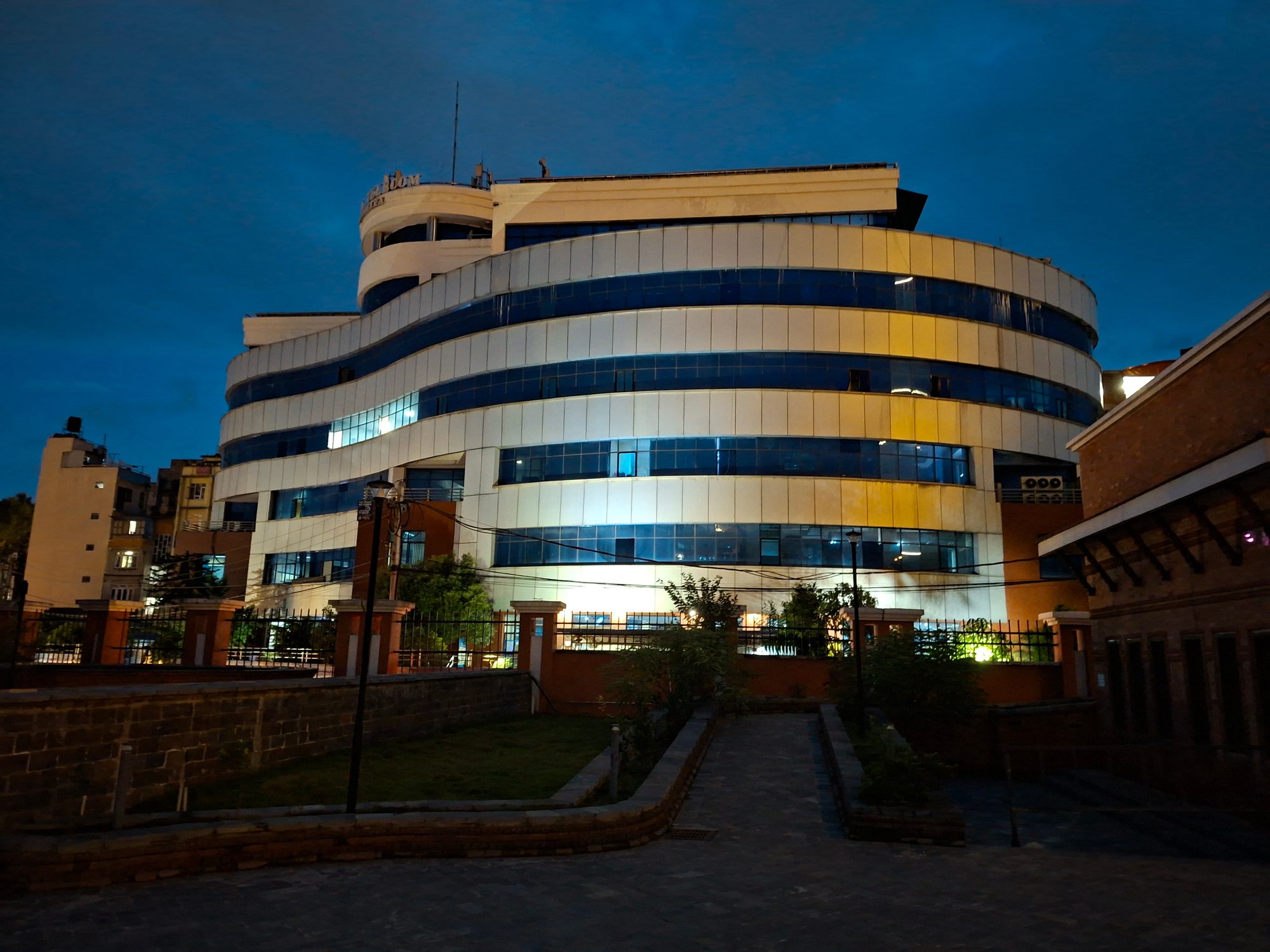
In the fiscal year 2025/26, Nepal's telecoms regulator had Rs 266.6m set aside for capital projects. It spent Rs 700,000, an implementation rate of 0.26%. Over the same twelve months its cash and bank balances rose by more than Rs 5bn.
That is the central paradox of the Nepal Telecommunications Authority (NTA). It licenses mobile and internet operators, and it also collects money from them. The gap between what it takes in and what it deploys bears on the economics of a sector that Nepal's digital ambitions depend on.
A regulator that collects more than it spends
The NTA collected more than Rs 17.58bn from operators in 2025/26 through royalties, fees and levies. Of that, Rs 15.90bn went to the government's main treasury account. A further Rs 1.68bn went into the Rural Telecommunications Development Fund (RTDF), which is meant to extend broadband to remote areas.
The largest single item was the service charge, which raised Rs 7.51bn in 2025/26, up from Rs 7.21bn in 2024/25. Radio frequency fees brought in Rs 3.91bn. Royalties, which operators pay at 4% of the previous year's gross income, came to Rs 3.17bn.
Source: NTA annual report, via Clickmandu
The burden is spread unevenly. State-owned Nepal Telecom paid Rs 1.34bn in royalties and private rival Ncell Axiata Rs 1.29bn. Among internet providers WorldLink paid Rs 471.9m, far ahead of CG Communications at Rs 27.13m. The two mobile groups also split frequency fees almost evenly, at Rs 1.94bn for Nepal Telecom and Rs 1.96bn for Ncell.
Money in, little out
The NTA's own spending was small by comparison. It had budgeted Rs 783.5m from its own fund and spent Rs 230.2m, a utilisation rate of 29.38%. Recurrent spending reached 44.40% of budget, Rs 229.5m of Rs 516.9m. Capital spending was the sharpest shortfall.
The rural fund fared little better. Of Rs 2.41bn allocated, Rs 210m was used, or 8.71%. The authority attributes the shortfall to slow programme approvals, the workload created by probes and court cases brought by oversight agencies, and projects halted for want of legal clarity.
Source: NTA annual report, via Clickmandu
Those explanations are procedural, and they point to an institution constrained by process rather than by a lack of money. In 2025/26 the regulatory fund took in Rs 4.30bn and the RTDF Rs 2.63bn, while total disbursements from the two accounts were Rs 440.2m.
The balance sheet swells
Cash and bank balances climbed from Rs 16.49bn at the end of 2024/25 to Rs 21.55bn at the end of 2025/26, or about $142m at the central bank's rate of Rs 151.47 to the dollar. Total assets rose from Rs 29.76bn to Rs 34.71bn, while liabilities fell from Rs 8.10bn to Rs 7.35bn.
For operators, the arithmetic merits attention. The RTDF is funded by a 2% levy on gross revenue under the Telecommunications Act 1997. If a fund meant for remote connectivity uses only 8.71% of its budget, payers may reasonably ask what the levy is buying.
A sector in transition
The market is thinning. The number of licensed telecom and internet entities is 249, down from 264, with 15 cancellations and two new licences cited. Active internet providers dropped from 108 to 100, and network service providers from 26 to 23.
Usage is not the problem. Mobile broadband penetration stood at 95.09% and fixed broadband at 53.55%, with 4G holding 92.52% of the mobile market. In 2025/26 data and internet services made up 26.21% of sector revenue, with voice at 73.79%. Nepal Telecom and Ncell split voice almost evenly, at 50.81% and 49.19%.
Operators added 250 base station towers, taking the national total to 9,598, of which Nepal Telecom runs 4,894 and Ncell 4,704.
The NTA also acts as gatekeeper. It audited 33 licensees. It also fined 21 providers Rs 100,000 each for failing to file audited accounts for 2023/24.
Separately, the NTA recommended foreign exchange facilities of Rs 4.86bn for equipment imports. Approvals for bandwidth imports totalled Rs 4.14bn, of which WorldLink took 83.71%.
What to watch
The first test is whether the NTA clears its approval backlog and turns the RTDF balance into contracts in 2026/27. A second is whether operators press for a review of how much is collected against how much is spent. A third is licence attrition: further cancellations would deepen concentration in a market already led by two mobile players and one large internet provider. For investors, the NTA's cash balance reflects unspent budgets rather than operating strength.
How this story was made: researched and written by The Standard’s desk with AI assistance, from the published reporting and official data credited below, and checked against those sources. Our standards.