Gold climbs to Rs 295,700 a tola, still below January's record
Bullion is costly again ahead of the festival season, and higher import duty has added to the price Nepalis pay.
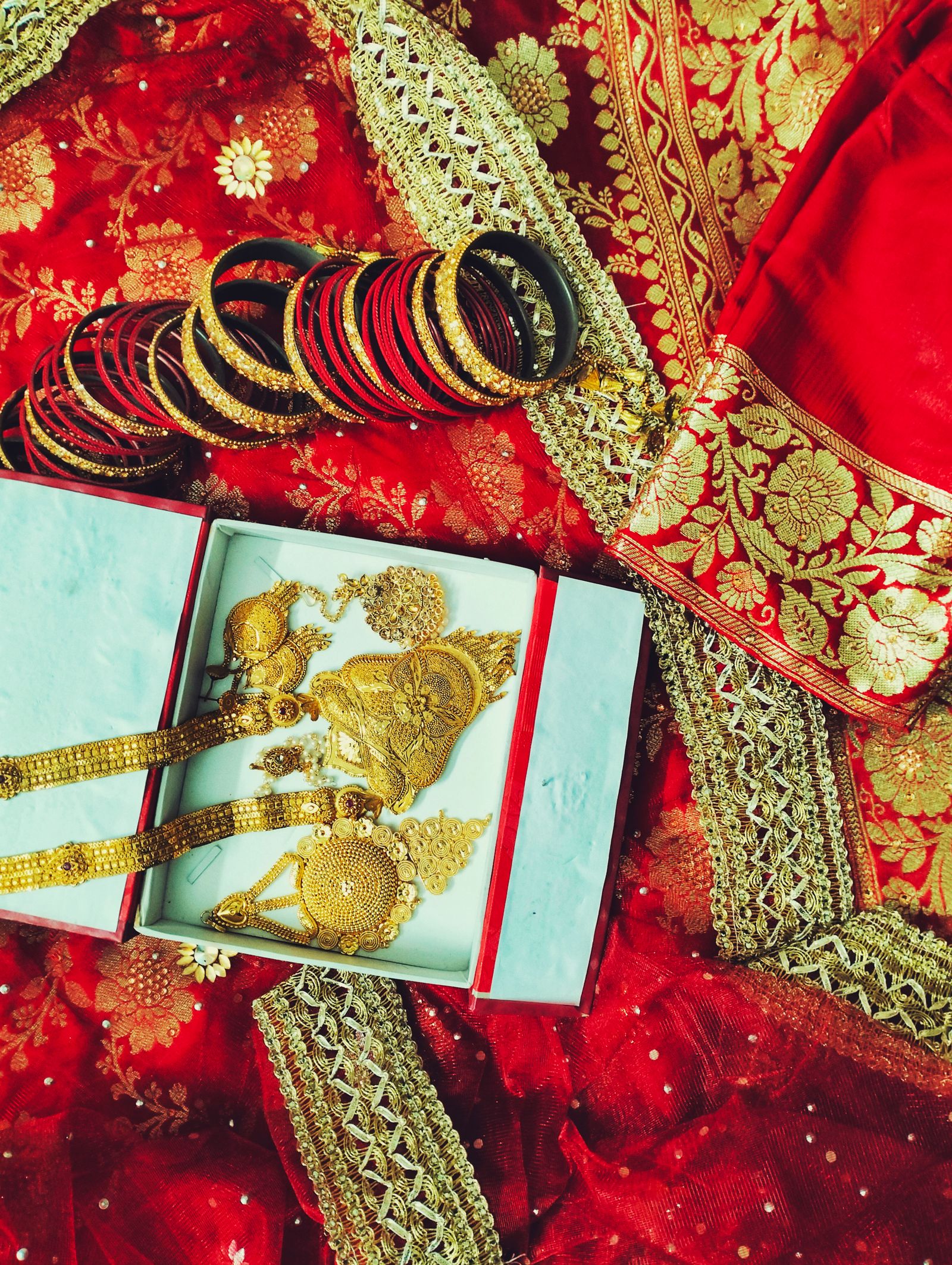
The price of gold in Nepal rose by Rs 2,900 a tola on Friday 9 October to Rs 295,700, according to the Federation of Nepal Gold and Silver Dealers' Associations, as reported by Online Khabar. A day earlier it had been Rs 292,800. Silver gained Rs 15 to Rs 4,405 a tola.
A tola, the traditional South Asian unit, is 11.66 grams. At Friday's price, one tola costs about $1,900. Demand nonetheless tends to rise at this time of year, as families buy jewellery for Dashain, Tihar and the winter wedding season.
Expensive, but not a record
For all the attention, gold is not at its peak. The domestic record was set on 29 January, when the price jumped Rs 20,500 in a single day to Rs 339,300 a tola, The Kathmandu Post reported. Global spot gold had crossed $5,000 an ounce for the first time that month, driven by worries about American public debt, fragmenting trade, heavy central-bank buying and a weaker dollar. Nepal first crossed Rs 300,000 a tola only six days earlier, on 23 January, according to ShareSansar.
Friday's price is about 13% below that peak, or Rs 43,600 less a tola for a family buying jewellery for Dashain. Prices have since swung widely. At the end of May, after a week of sharp gains, gold reached Rs 311,100 a tola, B360 reported. Nepal Rastra Bank figures cited by ShareSansar put the average international gold price in the first month of the current fiscal year, mid-July to mid-August, at $4,390.70 an ounce, 31.6% higher than a year earlier.
How the domestic price is set
Nepal produces almost no gold, so the local price follows the international market, converted into rupees and loaded with taxes. Two features make it particularly sensitive. First, the Nepali rupee is pegged to the Indian rupee, which has weakened against the dollar this year (see our explainer on the rupee peg), so every slide in the dollar value of the rupee raises the local gold price even when global prices are flat. Second, imports are taxed heavily. The budget for 2026/27, presented in late May, raised customs duty on gold imports to 20%, according to B360. It also removed a 2% luxury tax on gold transactions and added a 0.5% fee on retail sales of gold, silver and jewellery.
Imports are also rationed. Gold enters Nepal through banks and other institutions licensed by the central bank, within a daily quota. In October 2025 Nepal Rastra Bank raised that ceiling from 20kg to 25kg a day, citing the need for adequate supply and stable prices during the festival season, ShareSansar reported. Traders have long argued that tight quotas encourage smuggling across the open border with India.
Why Nepalis buy
Gold plays a role in Nepal that goes beyond adornment. It is a central part of wedding gifts and dowries, and for many households, especially in rural areas, it is the main store of wealth outside land. It can be pawned quickly for cash and carried easily, and it offers protection when the rupee weakens. Remittances, which grew 21.2% in the first month of this fiscal year to Rs 215bn (about $1.4bn), according to central bank data reported by ShareSansar, keep a steady flow of money available for such purchases.
That creates a tension for policymakers. Every tola bought from abroad uses foreign exchange, and the government's response has been to tax and ration imports rather than discourage demand. With prices high and the festival season starting, jewellers can expect busy shops and thin margins. Buyers face a familiar choice: pay near-record prices now, or wait in the hope that global markets cool.
How this story was made: researched and written by The Standard’s desk with AI assistance, from the published reporting and official data credited below, and checked against those sources. Our standards.
The long view Nepal's LDC graduation