Over a third of Nepal's 960MW solar tender has yet to break ground
Developers bid as low as Rs 4.99 a unit when the dollar cost Rs 135. With the dollar near Rs 154 and a licensing dispute over land, 346MW of projects is stuck.
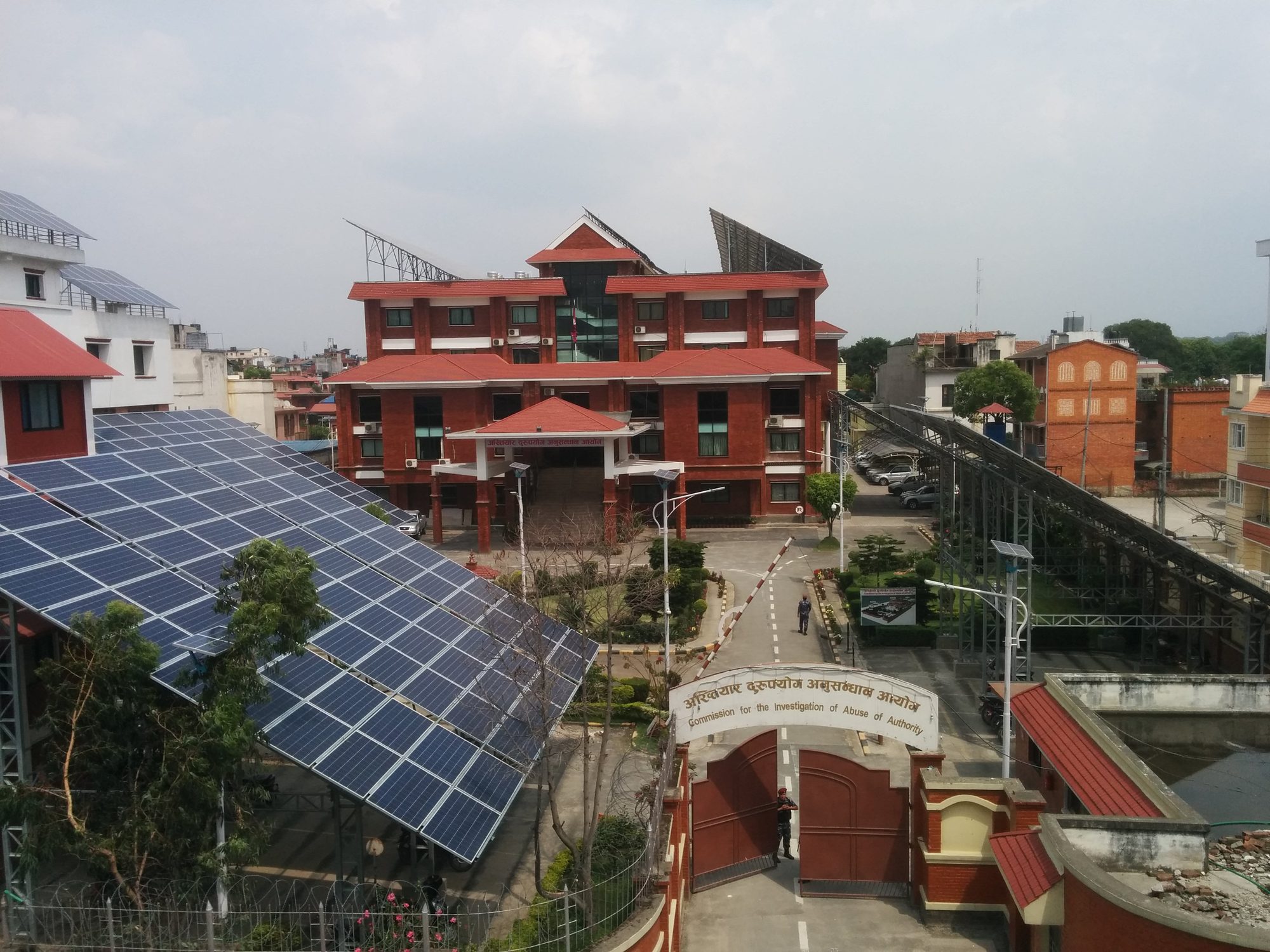
Nepal's largest push into solar power was meant to fill the winter gap, when river flows fall and hydropower output drops. About two years after the bids, much of it has not left the drawing board. Of the 960 megawatts awarded to 63 companies, projects totalling 346MW, spread over 18 schemes, had not begun construction by early August, Clickmandu reported. Of those, 231MW had reached financial closure but could not proceed, and 115MW had yet to finalise power purchase agreements (PPAs).
The Nepal Electricity Authority (NEA) had floated the tender for 800MW and expanded it to 960MW because of investor interest, according to Mercom India and Clickmandu. By February the utility had signed PPAs for 750MW, Republica reported, with the largest share, 210MW across 15 projects, going to the group led by the energy entrepreneur Uttam Bhlon Lama. By May, 56 solar projects with a combined 835.5MW had signed PPAs, The Kathmandu Post reported.
Bids made at Rs 135 to the dollar
The developers' main complaint is cost. Their PPAs pay between Rs 4.99 and Rs 5.54 a unit, according to Clickmandu. Solar panels, inverters and transformers are imported, and are priced in dollars. "When the bids were submitted, the US dollar exchange rate was around Rs 135, but it has now climbed to Rs 154," Lama, a senior vice-president of the Independent Power Producers' Association, Nepal, told Clickmandu. Developers also cite China's removal of export tax rebates on solar panels, which raised equipment prices.
For comparison, an older solar plant shows what earlier contracts paid. Jhapa Energy's 10MW plant in Shivasatakshi municipality sells power to the NEA at Rs 7.30 a unit and supplied Rs 47.1m worth in the first five months of the current fiscal year, B360 reported.
A dispute between two state bodies
The second obstacle is administrative. Several developers have needed to move their projects to different plots. The NEA has approved such relocations, but the Department of Electricity Development (DoED), which issues licences, requires that a new site overlap at least half of the original one; otherwise the developer must start licensing again from scratch, according to Clickmandu. The DoED's position is that, without a dedicated law for solar, it must follow existing procedures to stay fair to other bidders.
Bijendra Man Singh Basnyat, chief executive of Mountain Solar, told Clickmandu that if the tangle is not resolved quickly, nearly 65% of the 960MW could be cancelled before construction begins. Standard NEA terms give projects of up to 10MW 18 months from signing to start generation and larger ones two years, Republica reported, so the earliest deadlines are close.
The programme matters to the grid's balance. Several winners are listed hydropower companies diversifying into solar: Asian Hydropower, for example, holds PPAs for a 30MW plant in Dhanusha and a 10MW plant in Sarlahi, ShareSansar reported. The tender was meant to ease winter shortages, Republica reported, and Nepal still buys power from India in lean periods: the NEA imported about 1,171 gigawatt hours in 2025/26 even as exports set a record, Ratopati reported, as described in our report on the utility's results.
What to watch: whether the energy ministry or cabinet settles the land-relocation dispute between the NEA and the DoED; whether the NEA extends commercial operation deadlines or revises tariffs for projects hit by the exchange rate; and how many of the 18 stalled projects are cancelled.
How this story was made: researched and written by The Standard’s desk with AI assistance, from the published reporting and official data credited below, and checked against those sources. Our standards.
The long view Nepal's hydropower, from load-shedding to exports
The long view Nepal's LDC graduation



