Nepal's drugmakers run at a third of capacity, caught between cheap imports and capped prices
Domestic producers supply about half the country's medicines. Raw material costs have soared, the regulator has refused a price rise, and producers want imports of locally made drugs stopped.
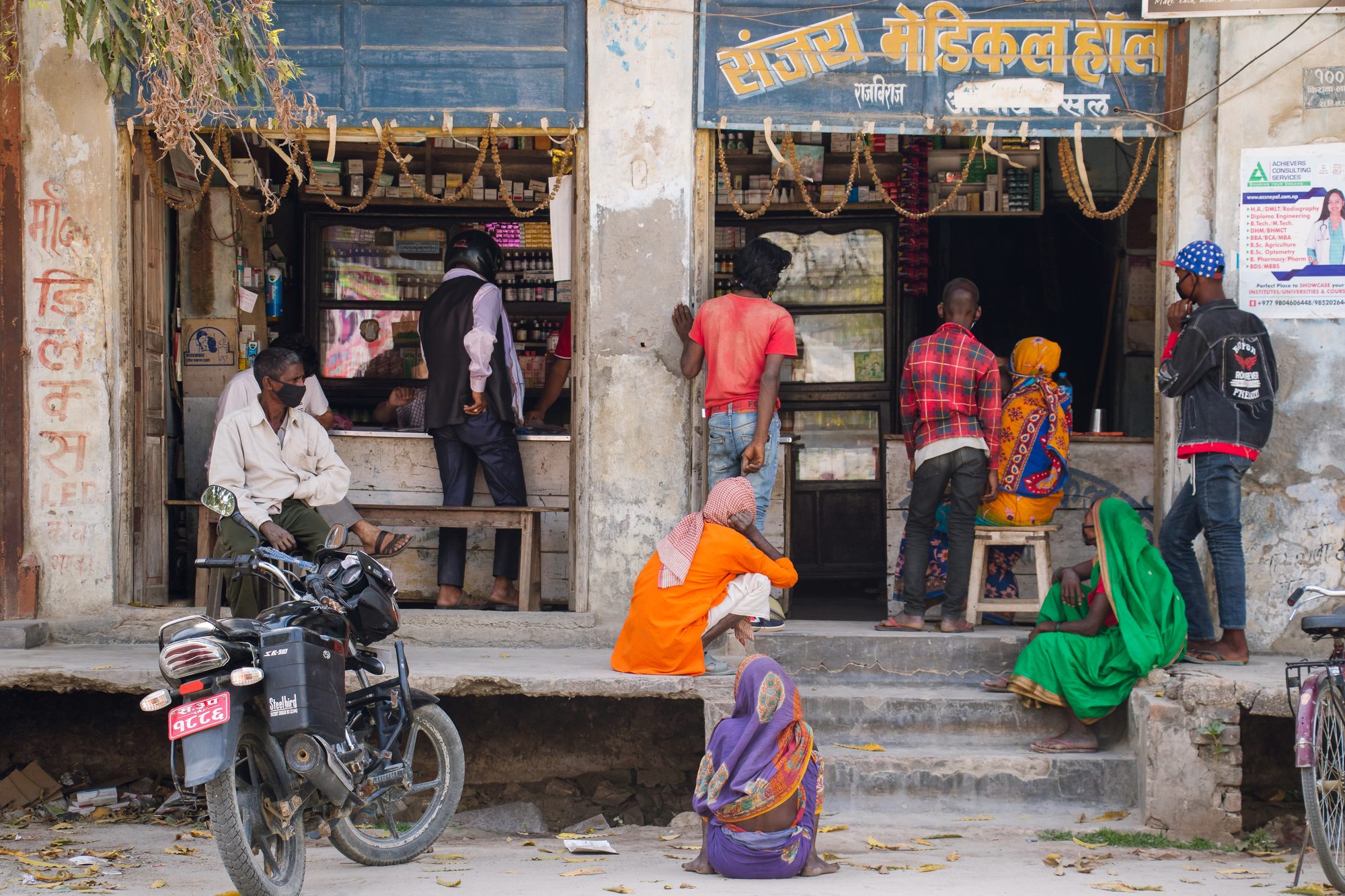
Nepal's pharmaceutical manufacturers are having one of their hardest years. Most are running at 30% to 40% of capacity, about ten have closed and some 50 more are at risk of closure, the Association of Pharmaceutical Producers of Nepal (APPON) said in May, according to ShareSansar and B360. More than Rs 40bn has been invested in the industry, 50% to 60% of it borrowed from banks, the association said.
The industry is substantial by Nepali standards. The country has 83 domestic drug manufacturers that make roughly half of the medicines used in Nepal and employ more than 30,000 people, in a market worth about Rs 60bn (around $390m) a year, The Kathmandu Post reported in March. Kantipur, in an August report on medicine imports through Birgunj, put the number of allopathic manufacturers at more than one hundred, and noted that imports were rising because not every type of medicine can be made locally.
Costs up, prices held
The immediate squeeze is on costs. In March, APPON asked the Department of Drug Administration for permission to raise the price of all medicines by 10% with immediate effect, The Kathmandu Post reported. Producers cited the rupee's fall to a record low of Rs 150.25 to the dollar, higher transport fares, a shortage of medical-grade plastic and the war in the Gulf. Some raw material prices had risen by up to 70%, and those for paracetamol by up to 100%, the association said. The department's director general refused, saying the regulator could not approve an increase that would directly affect hundreds of thousands of patients.
The dispute did not end there. In April, Kantipur reported that the regulator's chief had stepped aside as pressure from manufacturers mounted, with producers warning that supplies could be disrupted without a price adjustment and claiming that some raw material costs had risen by up to 300%.
A demand to keep imports out
APPON's answer to falling sales is protection. At its May meeting, the association urged the government to stop importing medicines already produced in Nepal and allow only raw materials in, and to implement a government decision from 2017/18 to halt imports of 30 domestically produced medicines, according to ShareSansar and B360. It also asked for a review of customs duties and VAT on imported medicines, lower bank interest rates for drugmakers, faster licensing and help to export.
A former APPON chairman told ShareSansar that Nepali industries struggle to compete with imported medicines, especially from India, where drugs are produced in large quantities at lower cost.
A further pressure lies ahead. As a least developed country, Nepal is not required to grant patents on medicines, which lets local firms make generic versions of drugs. Domestic producers told The Kathmandu Post in 2024 that losing this flexibility after graduation from the least developed country group would make medicines more expensive to produce. Nepal is scheduled to graduate on 24 November but has asked the UN to defer the move to 2029 (see our explainer on LDC graduation).
What to watch
The key decisions sit with the government: whether the drug regulator revisits its refusal to allow higher prices, and whether ministers act on the request to restrict imports of medicines made at home, which would raise questions about cost for patients. The UN General Assembly's decision on Nepal's graduation date will determine how long local producers keep the freedom to copy patented drugs.
How this story was made: researched and written by The Standard’s desk with AI assistance, from the published reporting and official data credited below, and checked against those sources. Our standards.
The long view Nepal's LDC graduation



