Nepal wins nod to export 615MW more power to India
India has raised the electricity Nepal may sell across the border to 1,269MW, even as Kathmandu plans winter imports of up to 350MW.
A country that sells electricity to its giant neighbour in the monsoon must also buy some back when winter comes. Nepal's power trade runs in both directions, and India has now widened the export side of the ledger, with new permissions taking effect from 18 November 2026.
India has cleared another 615.02MW of Nepali electricity for sale. Added to the 654MW approved earlier, the total now permitted for export is 1,269.02MW. The approval follows proposals lodged by the Nepal Electricity Authority, the state utility, whose spokesperson Achut Ghimire confirmed the details.
What India has approved
The new volume will be sold through the Indian Energy Exchange, a power trading market, using two Indian intermediaries: PTC India and NVVN, both power trading companies.
Source: Nepal Electricity Authority
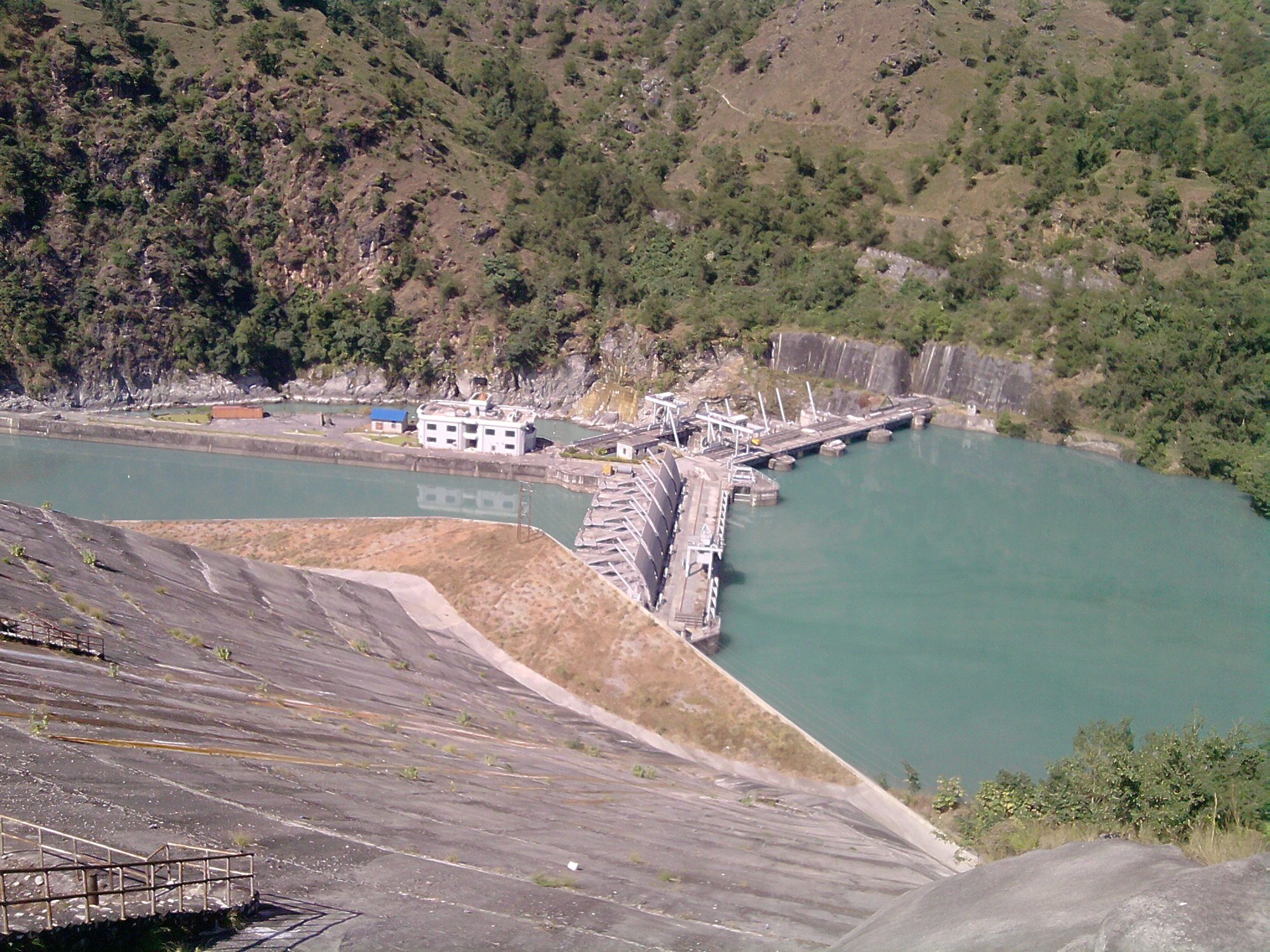
PTC India will carry 204.58MW from 12 hydropower projects between 18 November 2026 and 14 June 2027. A further 21.34MW, from the Seti Hydropower project, is cleared through PTC until 31 August 2027. NVVN, the larger channel, will handle 389.10MW over the Dhalkebar-Muzaffarpur transmission line in the same period as the first PTC block.
The power will cross the border on several lines: the 400kV double-circuit Muzaffarpur-Dhalkebar link, and 132kV lines at Kataiya-Kushaha, Raxaul-Parwanipur and Ramnagar-Surajpura.
The authority is still pursuing Indian clearance for other pending proposals.
Why the dates matter
The permissions are time-limited. Most lapse on 14 June 2027, and the Seti block on 31 August 2027. For an independent power producer, that shapes the revenue it can plan around.
The prize is considerable. In 2025/26, Nepal earned about Rs 18bn from net electricity exports to India, roughly $121m at the central bank's rate of Rs 148.58 to the dollar. The figure is a net one, so it appears to be measured after electricity bought in the other direction.
The import side
Nepal is also preparing to import up to 350MW of electricity as winter demand rises. That a country with abundant rivers must buy power in the cold months shows how seasonal its supply is.
For global readers, the significance is regional. Nepal is trying to become a supplier to a far larger power market, and its ability to do so depends on cross-border lines, trading licences and the goodwill of Indian regulators and intermediaries.
Separate talks on fuel and trade
Prime Minister Balendra Shah is scheduled to visit India from 23 to 25 November 2026. The Ministry of Industry, Commerce and Supplies has sent the Foreign Ministry a package of proposals on fuel, gas and trade.
The fuel items include a second phase of the Motihari-Amlekhgunj petroleum pipeline, extended to Chitwan, and a new LPG pipeline from Motihari to Sarlahi. Nepal Oil Corporation Executive Director Nagendra Sah said the corporation has asked India to fund the whole project by grant, at an estimated cost of 11bn Indian rupees, or Rs 17.6bn (about $118m).
The case rests on dependence. Nepal owns no LPG bullet tanker and relies on Indian vehicles to move cooking gas, at a cost above Rs 6bn a year in haulage fees. The corporation has concluded that it needs storage for at least a month of domestic consumption.
The Sarlahi plan envisages a terminal with 15,000 tonnes of tank capacity and a bottling plant filling 15,000 cylinders a day, so the corporation could cover 15% of national LPG demand in an emergency.
The trade grievances behind the visit
Nepali cement, plywood, footwear, jute, tea and large cardamom have long struggled to enter India. Slow certification by the Bureau of Indian Standards, India's national standards body, has often held Nepali consignments at the frontier. Nepal also wants access to the Indian ports of Dhamra and Mundra for third-country trade, beyond Kolkata and Visakhapatnam.
On infrastructure, the ministry has proposed a joint groundbreaking for the Dodhara Chandani dry port in Kanchanpur, to be built with Indian financial and technical help under a memorandum signed on 1 June 2023. The integrated check post at Bhairahawa has finished construction and awaits inauguration.
What to watch
- Whether India approves the remaining pending export proposals, and at what volume.
- How much electricity Nepal ends up importing, up to the 350MW planned, as winter demand rises.
- Whether the visit on 23 to 25 November 2026 produces commitments on the Motihari-Sarlahi LPG pipeline and on grant funding.
- Whether exports are renewed beyond the 14 June 2027 and 31 August 2027 expiry dates.
How this story was made: researched and written by The Standard’s desk with AI assistance, from the published reporting and official data credited below, and checked against those sources. Our standards.
The long view Nepal's hydropower, from load-shedding to exports
The long view Nepal's LDC graduation