Nepal to import 350MW from India while exporting 56MW this winter
India has cleared Nepal to buy up to 350MW this winter and sell 56MW, showing how a hydropower exporter can turn buyer in the dry months.
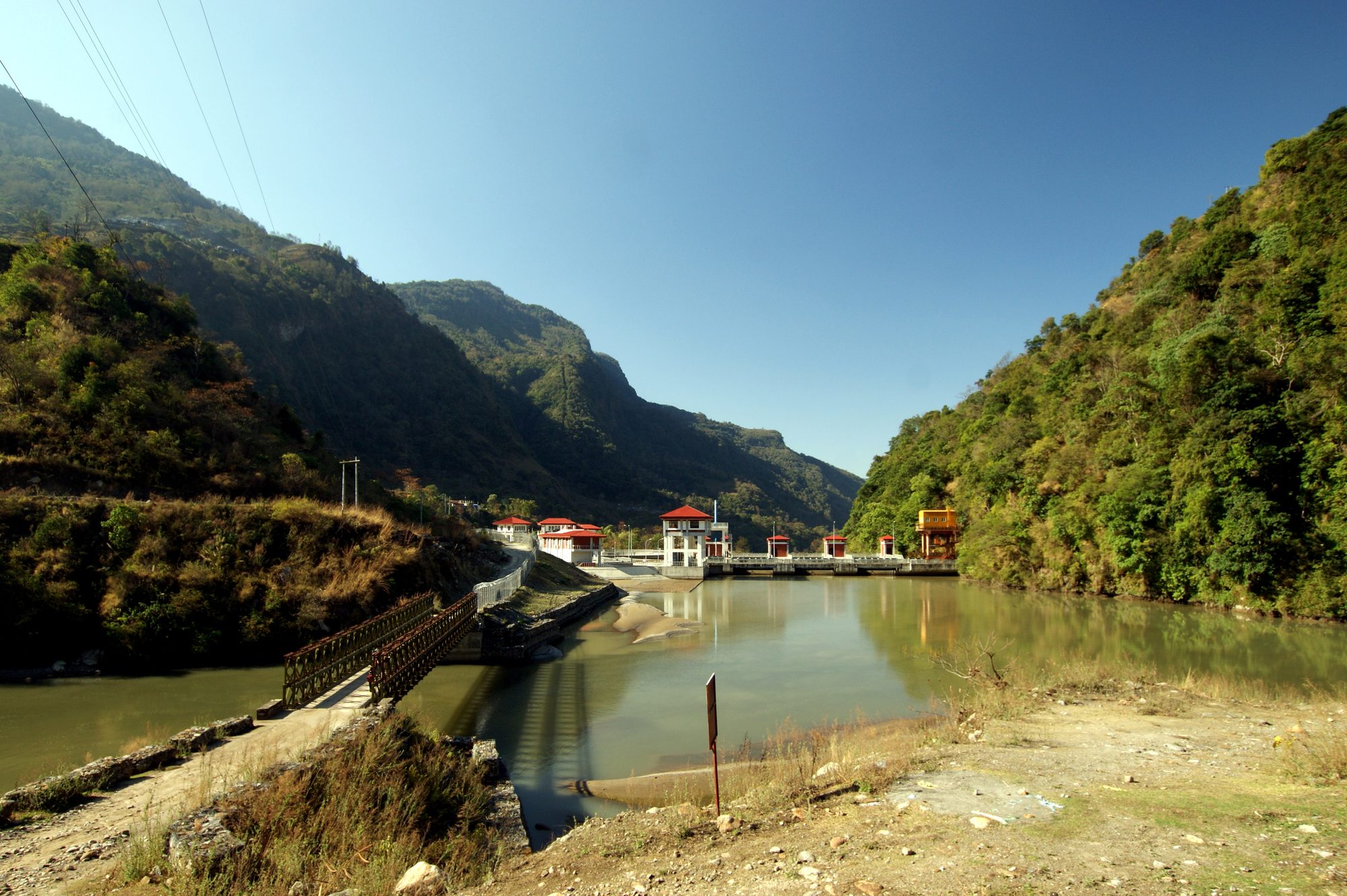
On 17 November 2026, Nepal received two permissions from India that appear to point in opposite directions. One lets the state utility buy up to 350 megawatts (MW) of electricity this winter. The other lets it sell 56MW of power from three hydropower projects. A country that dams its Himalayan rivers to export power is preparing to import it, and to export a little at the same time.
The pairing is less strange than it looks. It reflects how Nepal's power system behaves across the seasons, and it shows who gains from a market that now runs in both directions.
What India has approved
India's Central Electricity Authority, under its Ministry of Power, has authorised the Nepal Electricity Authority (NEA), the state utility, to buy electricity on the Indian Energy Exchange (IEX). Purchases can be made in the day-ahead and real-time markets, at competitive prices, for up to 17 hours a day.
The permission runs from 17 November 2026 to 31 July 2027. Imports are barred from 5am to 8am and from 5pm to 9pm, which are peak demand periods in Nepal.
Of the 350MW, 300MW can flow through three 132kV lines: Kataiya-Kushaha, Ramnagar-Surajpura and Raxaul-Parwanipur. A further 50MW can come through the New Nautanwa-Mainahiya line. The export permission, for 56MW from three projects, covers the same dates.
Source: Nepal Electricity Authority, via Kathmandu Post and Spotlight Nepal
Why a hydropower nation runs short
The NEA expects domestic production to fall below consumption for four months, from mid-December 2026 to mid-April 2027. Imports are expected to peak from mid-January to mid-March 2027, when Nepal may need 450MW to 500MW around the clock. In peak-demand hours the requirement could reach 800MW to 900MW.
The seasonal gap has been widened by an accident. A glacial flood in the Bhote Koshi area of Rasuwa, which fed into the Trishuli river, damaged hydropower projects and transmission lines. Projects with a combined installed capacity of 431MW are disconnected from the national grid.
River levels are expected to rise from mid-April 2027, lifting domestic generation, displacing imports and allowing exports to resume.
Source: Kathmandu Post, Nepal Electricity Authority estimates
The approved ceiling sits below the NEA's own estimate of the round-the-clock need at the height of winter. The sources do not say how that gap would be closed. That is analysis, not a reported plan, but it is a central question for the season.
Why export at all
The 56MW export permission is small, and it reads better as a commercial signal than as a volume story. It covers three hydropower projects and runs for the same period as the import approval.
One plausible reading, offered as analysis, is that exchange access matters to generators whose output is not always needed at home. A permission to sell gives those projects a route to revenue when Nepal has power to spare, while the import permission protects the grid when it does not.
Who gains and who is exposed
Nepali consumers and industry gain security of supply. The NEA's managing director, Dirghayu Kumar Shrestha, said the approval would make it easier to manage demand and supply this winter.
The NEA carries the exposure. It will buy at exchange prices, which move with market conditions, and the sources give no price. Analysis suggests that a utility importing 450MW to 500MW around the clock for two months on a spot market carries a cost risk it cannot fully control. The 431MW that is cut off is capacity that, while disconnected, is unlikely to contribute to supply or earn revenue.
The wider lesson
For investors abroad, the episode illustrates a point that headline installed capacity can hide. Nameplate megawatts say little about winter reliability. The more useful questions are how much of the fleet can deliver in the dry months, how resilient lines are to glacial floods, and how deeply Nepal can plug into the Indian market in both directions.
The two permissions describe a system that needs imports in the dry months, expects to export again as rivers rise, and now has regulated access to a large exchange for both.
What to watch
- Exchange prices the NEA pays in January and February 2027, when imports are expected to peak.
- Whether the 350MW ceiling is enough against estimated needs of 450MW to 500MW.
- Progress in reconnecting the 431MW damaged by the Rasuwa flood.
- How quickly river flows from mid-April 2027 displace imports and restart exports.
- Whether the 56MW export permission is used, and by which projects.
How this story was made: researched and written by The Standard’s desk with AI assistance, from the published reporting and official data credited below, and checked against those sources. Our standards.
The long view Nepal's hydropower, from load-shedding to exports
The long view Nepal's LDC graduation