Nepal presses India on Upper Tamakoshi power as it secures winter imports
Nepal wants India to buy power from Chinese-built plants, having already won approval to import 350MW. The two files show how far its grid still depends on Delhi.
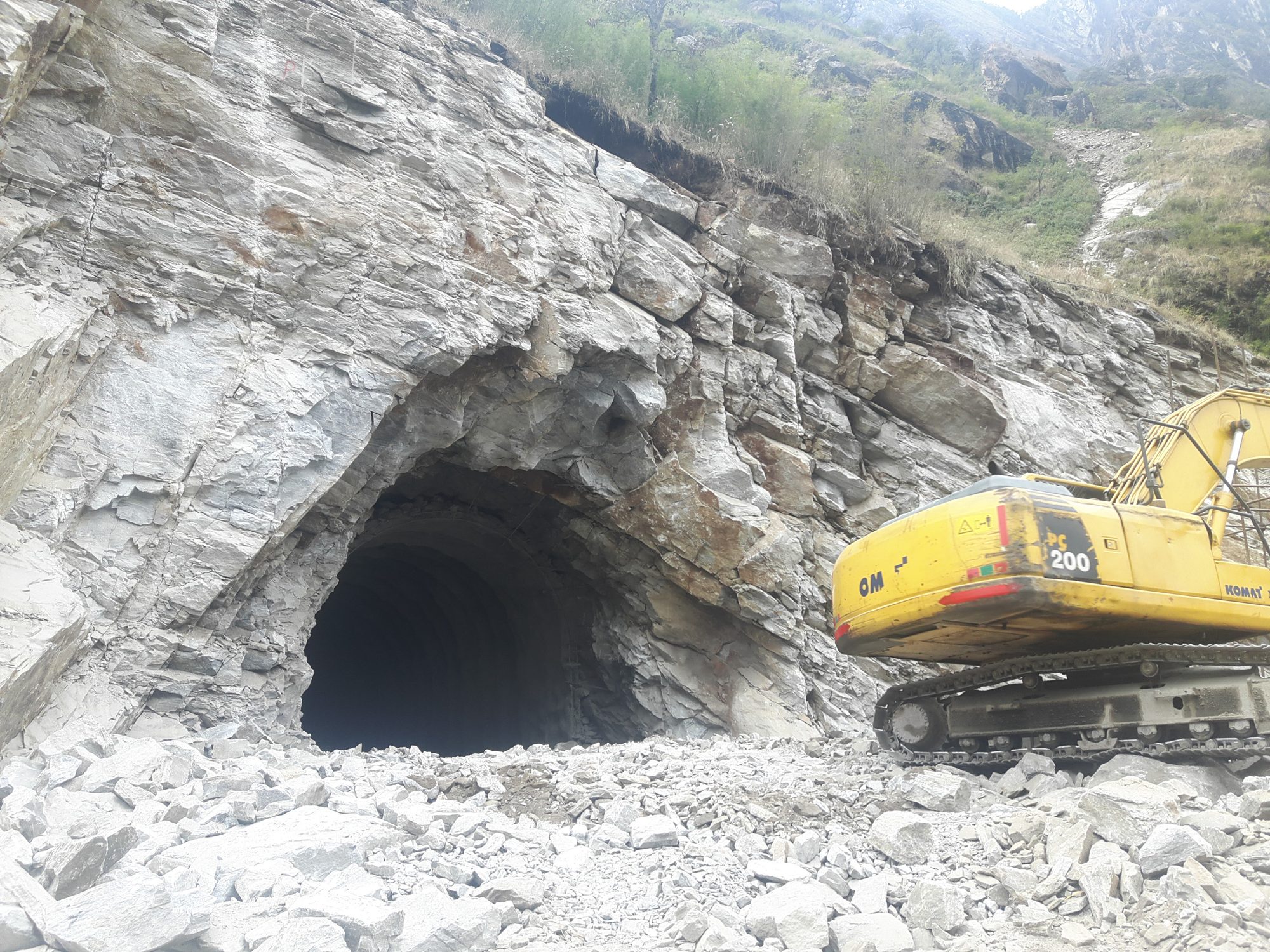
Both of Nepal's electricity trades with India are about to go on the table when Prime Minister Balendra Shah visits India, and they pull in opposite directions. One is a request for access: permission to sell power from the 456MW Upper Tamakoshi project. The other is a matter of supply: Nepal has already won approval to import 350MW from India, as reported by Hindusthan Samachar English, and is lining up further purchases.
Together they show the bargaining position of a hydropower exporter that has not yet escaped its dependence on one customer and one grid.
The plant India will not buy from
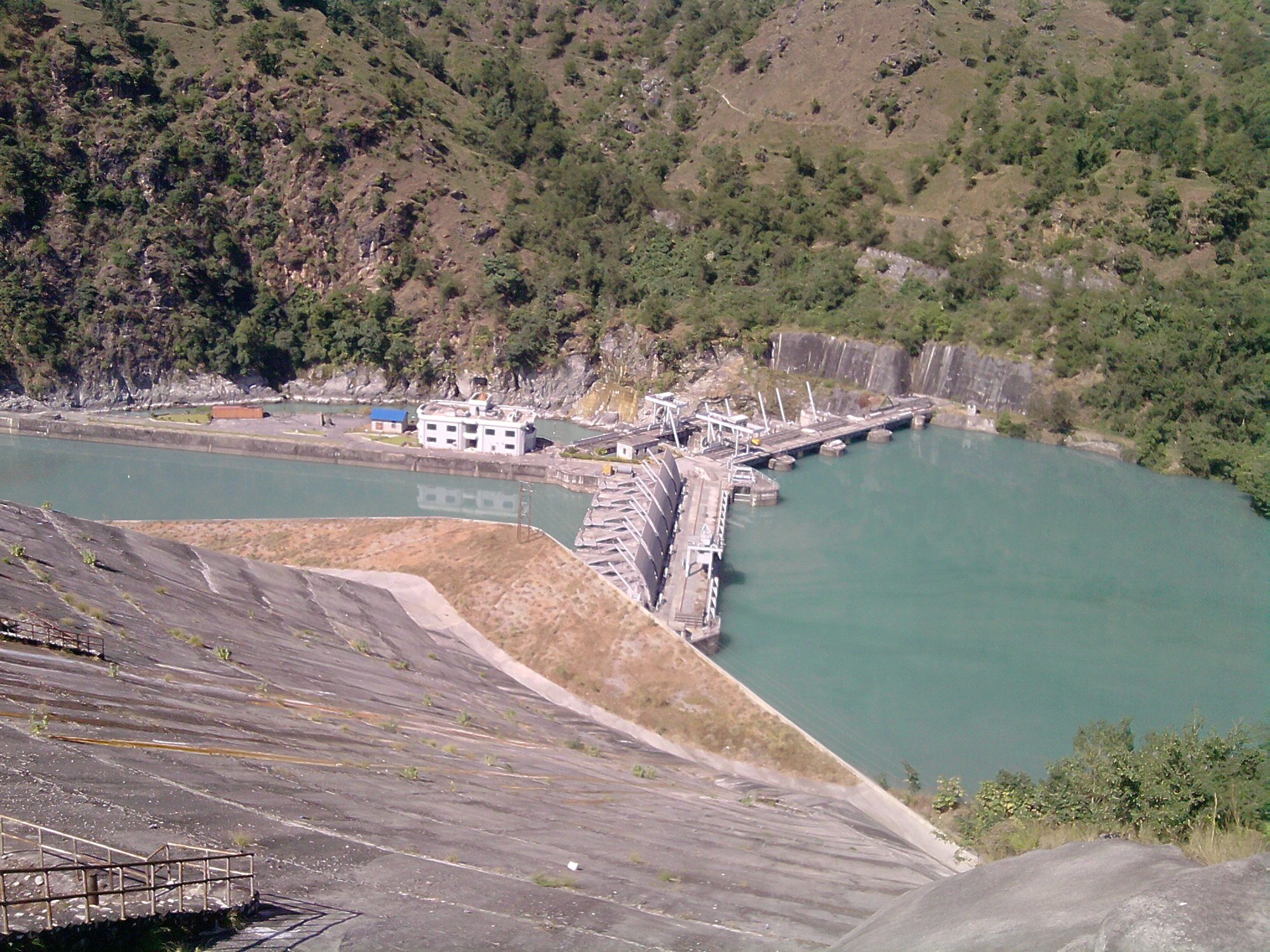
Upper Tamakoshi has a mixed construction history. China's Sinohydro did the civil works. Indian companies handled the hydromechanical and electromechanical work and the transmission lines. India has nonetheless withheld approval for exports from the plant, citing the Chinese role.
The obstacle is a rule book. Under cross-border guidelines issued by India's Central Electricity Authority in 2021, each hydropower project needs its own approval to sell into the Indian market. The same guidelines bar purchases from plants in neighbouring countries that have no energy cooperation agreement with India where a third country invests in them or controls them. India and China have no such agreement, so Chinese-invested or Chinese-controlled plants are in effect shut out.
The guidelines do not, however, say that a Chinese contractor on the construction side is disqualifying. That gap is the core of Nepal's argument: investment and construction contracts are different things. No Nepali hydropower project built by Chinese contractors has yet won Indian regulatory approval, so the distinction has not been tested in Nepal's favour.
Source: Online Khabar; Hindusthan Samachar English
A question of consistency
Nepal's case has a political edge. Govinda Raj Pokharel, a former vice-chairperson of the National Planning Commission, called India's stance unfair, noting that reports suggest India is itself weighing Chinese investment in its solar sector. "At a time when India is welcoming Chinese investment itself," he said, the prime minister should work to ease imports of Nepali power.
The Indian position rests on a written rule, so the argument is not one-sided. As analysis, though, the distinction matters. If Delhi's concern is investment and control, a plant with Indian firms on its electrical and transmission work is a weak target. If the concern is broader, the contractor distinction will carry little weight in a meeting.
Upper Tamakoshi is not the only plant in play. Nepal has earlier sought Indian approval for exports from Upper Bhotekoshi, Marsyangdi, Kaligandaki A and Middle Marsyangdi, though approval for Upper Tamakoshi remains unresolved. For the Nepal Electricity Authority (NEA), the state utility, the stakes are commercial: a large plant that cannot reach the biggest regional buyer limits what Nepal can earn from surplus power.
The winter side of the ledger
The second story is less glamorous and more urgent. Domestic generation falls in winter and demand rises. Nepal has obtained approval to import 350MW from India, along with clearance to export 56MW. How that approval relates to the separate requests below is not clear.
The NEA's list for the visit shows the pressure. It wants to renew an agreement to import 270MW from Bihar and Uttar Pradesh through Power Trading Corporation. It also wants easier purchases from India's Energy Exchange over the 400kV Dhalkebar-Muzaffarpur line during peak winter demand. And it wants a further 150MW of imports, because floods in the Trishuli and Devighat areas on 26 August 2026 damaged generation infrastructure and raised the risk of a shortage in the dry season of 2026/27.
Separately, the NEA wants technical and other assistance from the Indian government to rebuild the Trishuli and Devighat plants, which were hit in the Bhotekoshi-Trishuli river system.
For investors, the pattern is plain. A flood can quickly turn a comfortable system into a short one, and India is both the outlet for surplus power and the backstop for a gap.
Wires, not just contracts
Much of the NEA agenda concerns physical connections, because approvals are of little use without lines to carry the power. Nepal currently sends 40MW to Bangladesh through the Indian grid and wants permission to send an additional 20MW. Plans to raise the volume have stalled for lack of Indian approval.
At the Gorakhpur substation, Nepal has proposed an interim arrangement to ease trade, and the NEA has agreed to pay the full cost, estimated at 37 million Indian rupees. Nepal will ask India to direct state-owned Power Grid Corporation of India to finish the work by November 2026, as agreed. It is also seeking early approval from Uttar Pradesh Power Transmission Corporation.
On larger lines, the NEA wants India to speed up the Sitamarhi substation being built by SJVN, which would allow more trade over the Dhalkebar-Sitamarhi line. It also wants progress on the Nijgadh-Motihari and Lamahi-Lucknow 400kV links, whose detailed project reports have been approved. An application for foreign direct investment filed through India's National Single Window System on 26 June 2026 is also on the agenda.
One piece of good news is the 40MW Rahughat project, built with Indian assistance. According to the NEA, physical progress has reached 99%, both units are commissioned and final trial runs are under way before commercial operation.
- 1Renew 270MW Bihar and Uttar Pradesh agreement
- 2Ease Energy Exchange purchases on Dhalkebar-Muzaffarpur line
- 3Seek a further 150MW after flood damage
Source: Online Khabar
What it adds up to
The two files are linked by leverage. Nepal comes to Delhi needing power in winter and wanting wider market access for its own. India holds the approvals for both. A concession on Upper Tamakoshi would signal that the 2021 rule is applied narrowly. A refusal would suggest that any Chinese presence in a project, however limited, is enough to close the market.
The NEA's proposals are to be finalised with the Ministry of Energy and the Ministry of Foreign Affairs, so the final list may change before the visit.
What to watch
- Whether any joint statement addresses Upper Tamakoshi or the contractor-versus-investor distinction.
- Whether the 150MW extra import and the 270MW renewal are agreed, and how they relate to the 350MW approval.
- Delivery of the Gorakhpur interim arrangement by November 2026.
- Progress on the Sitamarhi substation and the Nijgadh-Motihari and Lamahi-Lucknow lines.
- Whether India permits the extra 20MW of transit to Bangladesh.
- Repair timelines at Trishuli and Devighat, and commercial operation at Rahughat.
How this story was made: researched and written by The Standard’s desk with AI assistance, from the published reporting and official data credited below, and checked against those sources. Our standards.
The long view Nepal's hydropower, from load-shedding to exports
The long view Nepal's LDC graduation