Nepal clears two hydropower projects and targets 2028 for Arun-3
The Investment Board approved Rs 21.17bn (about $137m) of semi-reservoir schemes and pressed the two 900 MW giants to move, but approvals have rarely been Nepal's problem.
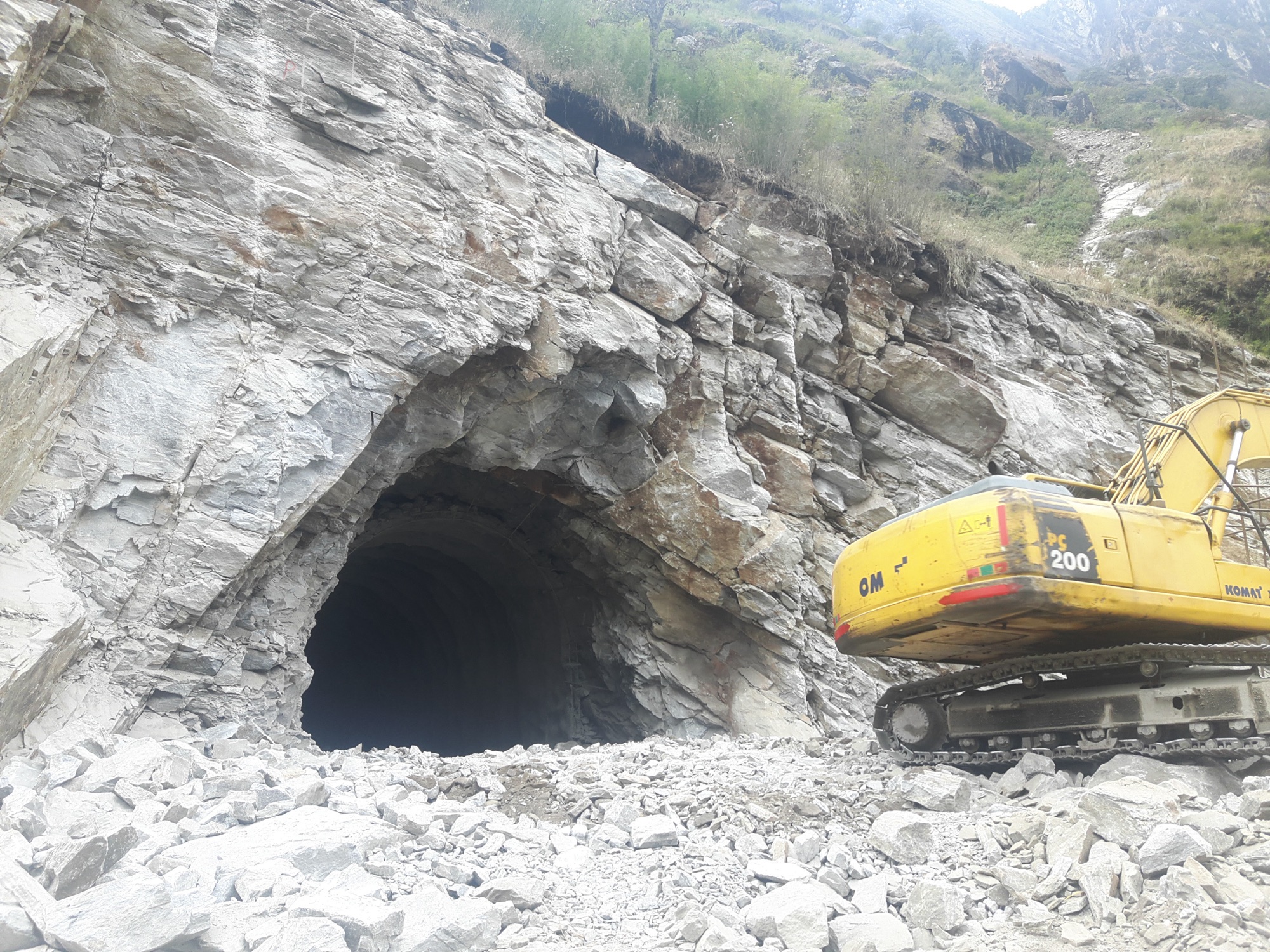
Nepal's private hydropower developers, and the banks that lend to them, have two more projects cleared to build. The Investment Board Nepal (IBN), the government body chaired by the prime minister that clears large investment proposals, approved investment in two semi-reservoir hydropower schemes on Friday, according to Online Khabar. Together they would add 105.62 megawatts (MW) at an estimated cost of Rs 21.17bn, about $137m, Himal Press reported.
For lenders the approvals mean a fresh pipeline of long-dated project loans. For the Nepal Electricity Authority, the state utility, they mean more supply that can be stored for a few hours and released at peak times, the kind of power Nepal is shortest of in the dry winter months. What to watch is whether these approvals turn into construction faster than the country's record suggests.
Two projects, one bank consortium
The larger scheme is the 58.9 MW Nar Khola project in Manang district, estimated at Rs 10.75bn (about $69m). Himal Press reported that it is being developed by BG Group Ltd and that a consortium led by Kumari Bank has pledged Rs 9.63bn (about $62m) of the cost, which would leave the bulk of the project financed by domestic debt.
The second is the 46.72 MW Sani Bheri-3 project in Rukum West, estimated at Rs 10.42bn (about $67m) and developed by Sani Bheri Hydropower Company, according to the same report. Online Khabar and Radio Nepal describe both as semi-reservoir schemes; Himal Press calls them peaking run-of-river projects. Both terms mean plants with small ponds that hold back water for a few hours so that output can be timed to evening demand, rather than the large seasonal reservoirs Nepal still lacks.
The decisions came at the board’s 68th meeting, chaired by Prime Minister Balendra Shah, Radio Nepal reported.
Deadlines for the giants
The same meeting set a date for the largest project already under way. The board decided to facilitate the 900 MW Arun-3 project so that it can begin commercial generation by February 2028, according to Himal Press and Radio Nepal. It also agreed to provide the facilitation needed for construction of the 900 MW Upper Karnali project to proceed immediately, Radio Nepal reported.
These two schemes matter far more to Nepal's power trade than the smaller approvals. Nepal earned Rs 29.32bn from electricity exports last year, as we reported, and the August flood showed how quickly river-fed capacity can disappear. Projects of 900 MW each would change the size of the surplus Nepal can sell to India and Bangladesh. A promise to facilitate construction, however, is not the same as a contractor on site.
Approvals are the easy part
The board also gave its chief executive powers to speed up project implementation and investor services, and asked for legal arrangements so that unsolicited proposals can be tested through a competitive Swiss challenge, in which other bidders are invited to beat the original offer. Online Khabar reported that the board will also prioritise infrastructure proposals that use advanced technologies, including artificial intelligence.
Each of these is procedural, and Nepal's difficulty has rarely been a shortage of approvals. The country has a long record of clearing projects and investment pledges that arrive late or not at all, a pattern we have examined. The test for this board is not Friday's list but whether Arun-3 meets its 2028 date and whether work on Upper Karnali actually begins.
How this story was made: researched and written by The Standard’s desk with AI assistance, from the published reporting and official data credited below, and checked against those sources. Our standards.
The long view Nepal's hydropower, from load-shedding to exports



