16,400MW of hydropower waits for a buyer as Nepal moves to cancel idle licences
The state utility has not committed to buy power from 281 projects. A government panel wants 38 stalled schemes cancelled, and only projects of up to 10MW are being offered quick contracts.
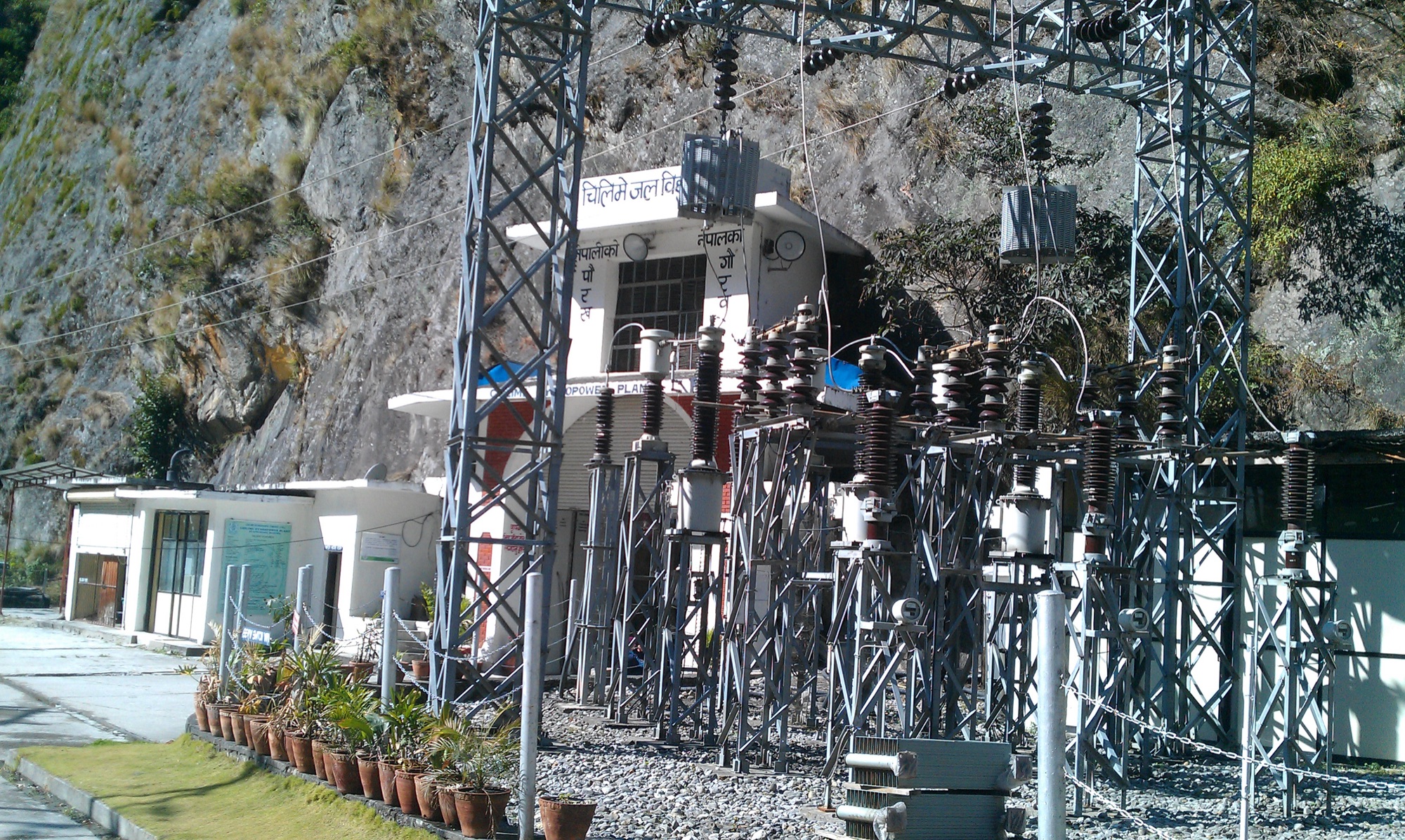
Nepal's government says it wants 30,000 megawatts of generating capacity within a decade. The pipeline that would deliver it is jammed at a single point: the power purchase agreement (PPA), the contract under which the Nepal Electricity Authority (NEA), the only large buyer, commits to take a project's output. Without one, banks generally refuse to lend.
As of late July, 281 hydropower projects with a combined capacity of 16,425.77MW were waiting for PPAs, The Kathmandu Post reported. They include run-of-river schemes, peaking run-of-river projects that can store a few hours of water, and seven storage projects totalling 5,170MW. Developers typically spend Rs 5m to Rs 6m per megawatt on surveys, feasibility studies and environmental assessments before they even reach the PPA stage, according to the same report.
Why the contracts stopped
Governments have held back PPAs since 2022, citing weak domestic demand, inadequate transmission and uncertainty over export markets, The Kathmandu Post reported. For run-of-river projects, which make up most private schemes, the bottleneck goes back further. A provision in the budget introducing a take-and-pay model, under which the NEA pays only for power it actually takes, halted agreements, The Kathmandu Post reported in May. Under the alternative, take-or-pay, the buyer pays for power made available whether or not it uses it.
When PPAs are signed, the NEA pays Rs 8.40 a unit in the dry season, from mid-November to mid-May, and Rs 4.80 a unit in the wet season, according to The Kathmandu Post. Private producers already supply about 3,200MW of Nepal's roughly 4,100MW of capacity, an official of the Independent Power Producers' Association, Nepal (IPPAN), told Ratopati.
Clearing the queue by pruning it
The government's answer so far has been to sort the pipeline. In April the energy minister, Biraj Bhakta Shrestha, set up two committees, one on PPAs and one on licences, Ratopati reported. The licensing panel reported in June. It recommended cancelling 38 projects totalling 1,388MW that had signed PPAs but shown no progress, The Rising Nepal and Kantipur reported, and cancelling a further 11 projects of 169MW licensed before 2019 with nothing built. It put 15 projects of 220MW that had passed 50% progress on a priority list and flagged 75 projects totalling 4,121MW as making very weak progress.
At the same time, the government said projects of up to 10MW could receive PPAs immediately on a take-and-pay basis. The committee counted 176 such projects with a combined 1,164MW, Ratopati reported. That covers only a small slice of the queue, and the budget said nothing about whether larger projects would get take-or-pay terms, which Ratopati reported had created uncertainty among developers. Days later, the NEA ordered hydropower and solar developers holding PPAs to submit progress reports within seven working days or face action under their contracts, NEPSE Trading reported.
The policy logic is that idle licences block viable projects. The commercial problem is that the projects most likely to be built at scale, larger schemes over 10MW, still have no clear route to a contract. The government of Prime Minister Balendra Shah had committed to resolving pending PPAs and licences within 180 days, The Kathmandu Post reported in May.
What to watch: whether the energy ministry acts on the cancellation list and publishes the separate PPA committee's recommendations; whether any PPA for a project above 10MW is signed on take-or-pay terms this fiscal year; and how the new transmission capacity coming on stream, such as the Hetauda-Dhalkebar line, changes the NEA's willingness to buy.
How this story was made: researched and written by The Standard’s desk with AI assistance, from the published reporting and official data credited below, and checked against those sources. Our standards.
The long view Nepal's hydropower, from load-shedding to exports



