Nepal has 30m mobile banking users but only about 335,000 credit cards
Credit card lending grew 29% last year to Rs 8bn, yet remains a sliver of bank loans. A virtual card that works on QR codes is growing faster than plastic ever did.
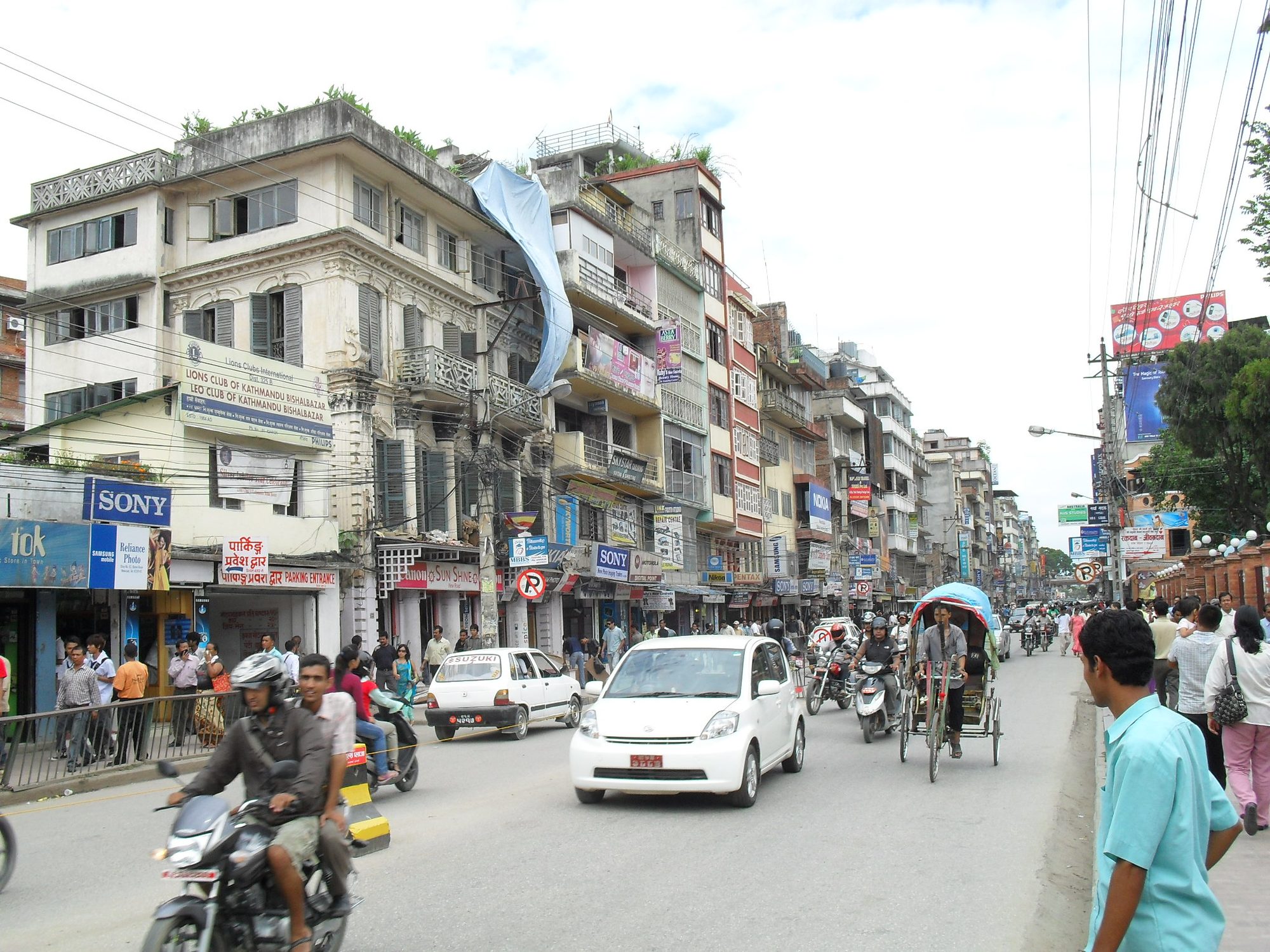
For a country where most adults now pay with their phones, Nepal has remarkably few credit cards. There were 334,653 in issue at mid-August 2026, according to Nepal Rastra Bank's payment systems indicators. Over the same period the number of mobile banking users reached 30.3m and debit cards 13.7m.
The market is growing, but from a low base. Credit card numbers rose about 4% in the year to mid-July 2026, to 330,518, the central bank's banking statistics show. Lending through credit cards grew faster: outstanding credit card loans rose 29% to Rs 8.05bn (about $52m), from Rs 6.22bn a year earlier. Even so, they account for about 0.14% of the Rs 5.95trn that banks and financial institutions have lent.
Using them more
Card holders are using them more often. Credit card transactions in the month to mid-August rose 36% from a year earlier, to 404,107, with a value of Rs 2.44bn, up 14%, the central bank's data show. The average transaction was about Rs 6,000.
Traditional cards have a structural problem. They work through card terminals, of which there were roughly 50,000 in the country, The Kathmandu Post reported in January. Payments at those terminals are falling: point-of-sale transactions dropped 31% in the year to mid-August. Most Nepali shops accept QR codes instead, and until recently a credit line could not be used through them.
Credit through a QR code
That is the gap Fonepay, the largest QR payment network, set out to fill. Its virtual credit card sits inside participating banks' mobile apps and can be used at any Fonepay QR merchant. Customers can apply for, receive and activate it instantly. The card had more than 20,000 users by January, The Kathmandu Post reported, with users in all 77 districts and the most transactions in Kathmandu, followed by Kaski. By August it had passed 50,000, ShareSansar reported. It is offered through nine institutions, including Citizens Bank International, Kumari Bank, Siddhartha Bank, Laxmi Sunrise Bank and Everest Bank.
"Fonepay Credit Card reached 50,000 users in two years compared with more than three decades taken by traditional credit cards to reach over 300,000 cards," Diwas Kumar, Fonepay's chief executive, told ShareSansar. The network says it can be used at more than 2m QR merchants.
Regulation limits how cards can be used. Under the Unified Payment System Directive issued in April, cash withdrawals on credit cards remain capped at 10% of the approved limit, ShareSansar reported. The directive also requires chip-based cards and two-factor authentication for international digital use.
Banks have reasons to want this business. Their loan books are growing slowly and their margins are thin, as our report on why banks are flush but nobody is borrowing describes. Consumer credit carries higher rates: the weighted average rate on consumption loans at commercial banks was 7.34% in mid-June, above the 6.55% average across all lending, according to the central bank.
What to watch
The central bank's monthly data will show whether credit card lending keeps growing near 30% a year, and whether QR-based cards push the total number of cards past the slow growth of recent years. Repayment performance on these small unsecured loans will matter as the book grows.
How this story was made: researched and written by The Standard’s desk with AI assistance, from the published reporting and official data credited below, and checked against those sources. Our standards.



