Budhi Gandaki flood: disaster chief credits SMS alerts as hydropower sites are hit
No deaths were confirmed after a flash flood tore through Gorkha on 11 October 2026, and officials credit text warnings. But bridges, river gauges and two hydropower sites were lost, and the cause is still unclear.
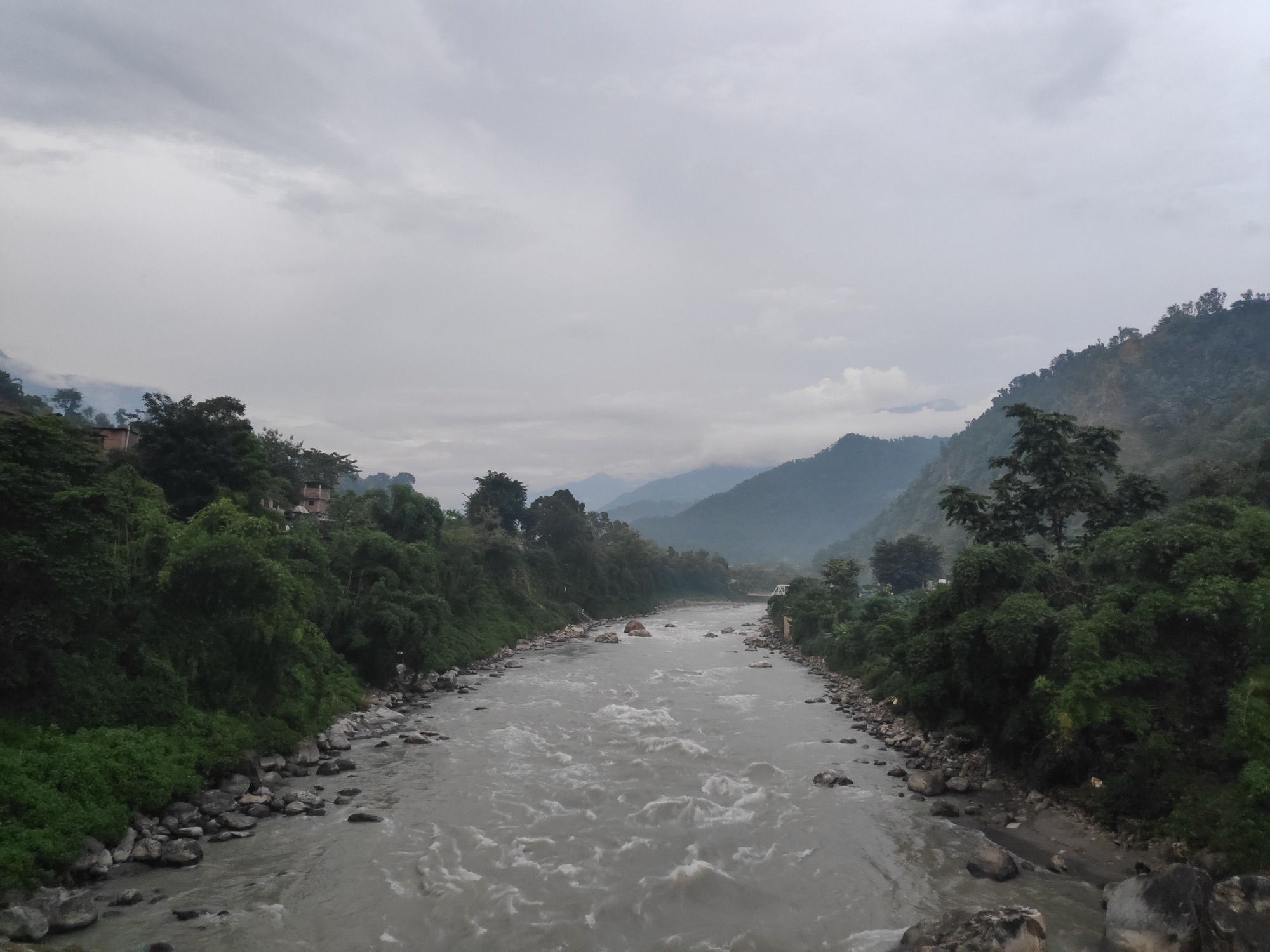
Residents along the upper Budhi Gandaki heard a loud roar at around 3am or 4am on Sunday, 11 October 2026, according to Dharmaraj Uprety, chief executive of the National Disaster Risk Reduction and Management Authority, in an interview with Kantipur published by The Kathmandu Post. By the time the surge of water, mud and sediment reached Arughat, the market town in Gorkha district, the river stood at 8.3 metres against a danger level of about five, and the town's bridge was gone, he said.
No deaths had been confirmed in reports published on 11 October, according to the Post and Online Khabar. That is not the same as no losses: five residents of Chumchet, in ward 6 of Chumnubri rural municipality, were reported missing, according to an authority report cited by The Rising Nepal. Online Khabar put the number missing along the Ungilung Khola in the same ward at four.
Uprety credits a text message. Early warning played an important role in reducing the human toll, he told the Post. The flood also shows the limits of that achievement. A warning can move people; it cannot move a bridge, a powerhouse or a construction camp.
Twenty minutes from alert to phone
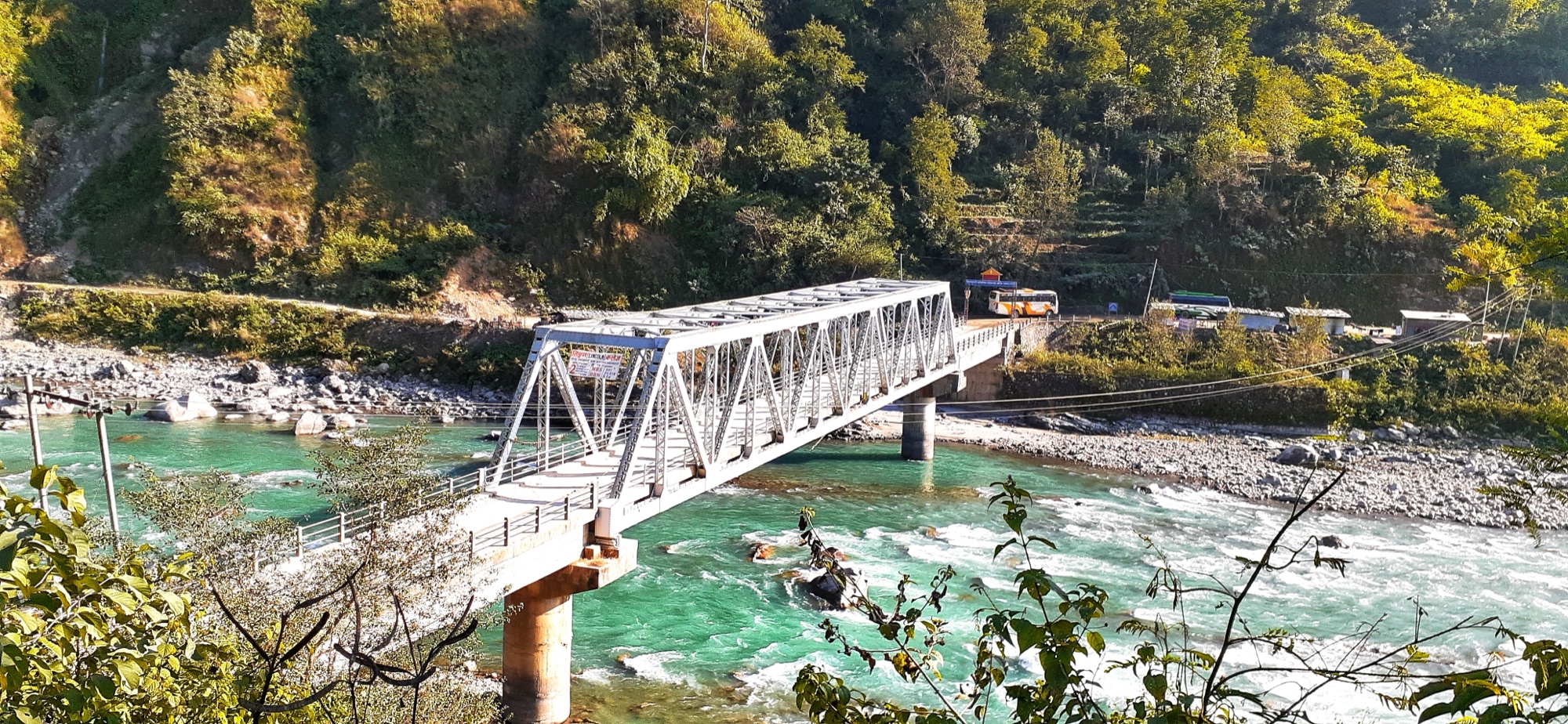
The authority received official word of the flood at around 6.20am, and SMS alerts reached downstream communities at about 6.40am, Uprety said. His office also asked the flood forecasting authorities to send their own messages, he said. The alerts went to people in Gorkha, Dhading and Benighat in Chitwan, The Rising Nepal reported.
Distance helped. The flood started high in the valley, and Uprety estimated it needed at least three to four hours to reach the lower settlements, time that let officials warn residents and mobilise the police and army. He named Sirdibas, Jagat, Yaru, Tatopani, Machhikhola, Soti, Arukhet and Arughat among the places on its path, the Post reported.
Many residents believed the warnings and climbed to higher ground, Uprety said. An army helicopter was airborne between about 6.30am and 7am, and 47 people had been moved to safety by army helicopters by 11 October, he told the Post and The Rising Nepal. Rescue was not smooth everywhere: conditions had at one point stopped a helicopter sent from Kathmandu from landing, Online Khabar reported. Some 437 soldiers, police and Armed Police Force personnel had been deployed to the affected areas, The Rising Nepal reported.
- Residents report hearing a loud noise upstream
- Disaster authority receives official information about the flood
- SMS alerts sent to downstream areas
- Army helicopter takes off, soon after the authority is informed
Source: The Kathmandu Post, citing NDRRMA chief executive Dharmaraj Uprety
What the water took
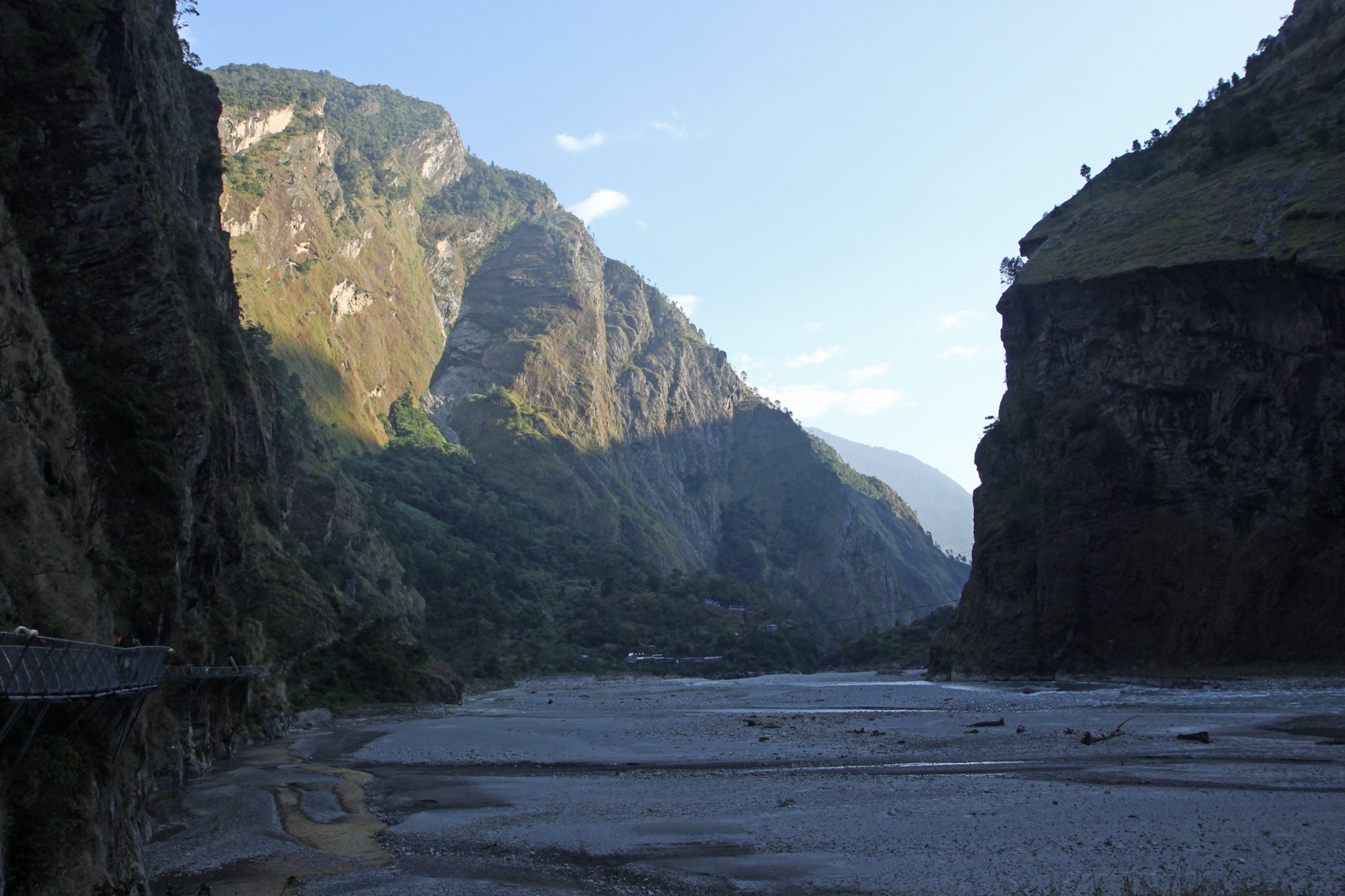
Major bridges were destroyed and settlements were left under water and mud, with deep deposits of silt left across the ground, Uprety said. Damage to hydropower infrastructure, homes, livestock sheds and bridges pointed to heavy physical losses, he said.
Other reports supplied the detail his interview lacked. The main camp of the 341MW Budhigandaki hydropower project and some of its construction equipment were swept away, authority spokesperson Shanti Mahat told The Rising Nepal. Seven or eight houses and an under-construction facility of Times Energy at Salleri, in ward 3 of Dharche rural municipality, were also lost, she said, according to the same paper. Twelve Times Energy staff were moved to safety, The Rising Nepal reported.
Crossings fared badly. Online Khabar listed one span of the motorable bridge linking Arughat with Dhading, an old suspension bridge between Nyakchet and Sirdibas, a suspension bridge at Machhikhola and a concrete bridge at Soti among the structures destroyed. Two telephone towers and 50 electric poles were damaged, Mahat told The Rising Nepal.
Source: The Kathmandu Post (Uprety interview); The Rising Nepal
The flood came a month and a half after the Rasuwagadhi and Bhote Koshi flood, Online Khabar noted. Uprety compared it with the Bhotekoshi and Trishuli events, which also carried heavy loads of sediment and mud, the Post reported. Floods on those rivers had already cut a bridge on one side of the area, and with the Gorkha-side crossing now lost as well, Dhading's connectivity and its supply chain are at risk, he said.
A cause still unknown
Officials have two working theories. An avalanche in the upper reaches may have dammed the river before the water broke through, or a dry landslide may have blocked the channel until it failed, possibly more than once, Uprety told the Post. Preliminary information pointed to an ice avalanche sending snow, mud and debris into the river, he said, according to Online Khabar. The Rising Nepal attributed the flood to a landslide between Lokpa and Chumling in Chumnubri rural municipality.
Rain does not appear to be the cause. No rainfall had been recorded in the river's upper reaches, hydrologist Binod Parajuli told Online Khabar.
Either kind of blockage can send the river up, down and up again, Uprety said. On the Budhi Gandaki the first flow appeared to ease, then rose abruptly and fell back, and on 11 October officials could not say whether a new blockage had formed upstream, he said.
They were also short of data. The flood carried away the river's water-level monitoring equipment, leaving officials to judge the river by eye, and images from upstream suggested the water was falling, Uprety said. A drone team travelled to the area with the directors general of the Department of Roads and the agency responsible for suspension bridges, according to the Post.
The investor's question
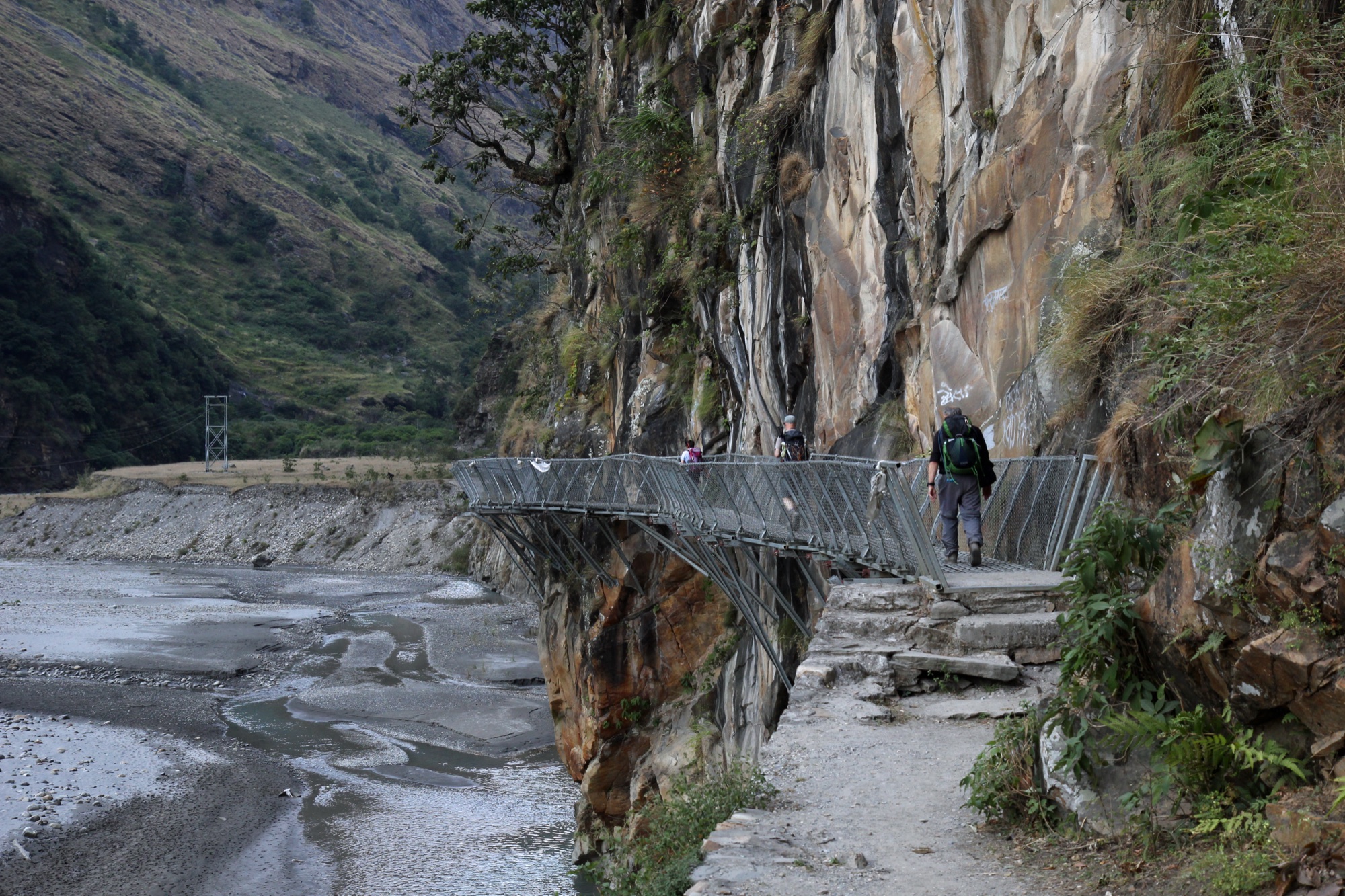
For anyone financing Nepali hydropower, the Budhi Gandaki flood repeats a question the Bhotekoshi and Trishuli events had already raised. Hazards that start far above a project, in avalanche zones and on unstable slopes, arrive as sediment-heavy surges rather than ordinary high water. Feasibility studies and insurance terms built around rainfall records may not capture them, especially when, as Parajuli's comments to Online Khabar suggest, a flood can arrive without rain.
The warning chain worked. Information reached the authority, alerts went out within 20 minutes and a helicopter was flying soon afterwards, according to Uprety. A reliable alert system lowers the risk to workers and communities near project sites.
But the assets did not move. A construction camp and an under-construction plant were lost on a single morning, according to The Rising Nepal, and the gauges that let officials read the river went with them, according to the Post. A single flood can be called bad luck. A run of blocked-and-released rivers in the high Himalaya looks more like a feature of the operating environment, one that lenders and insurers may need to price.
What to watch
The first thing to watch is the field report. Firm conclusions about the cause, and about any fresh blockage, must wait for the site team's findings, Uprety told the Post.
Second, watch how quickly the lost water-level monitors are replaced. Until they are, the system that warned residents on 11 October is working partly blind.
Third, watch the bridges. The Department of Roads and the suspension bridge agency are to restore connectivity based on the drone team's findings, Uprety said, and three trucks of food and other supplies were being held ready, he told the Post.
Finally, watch what developers disclose. None of the three reports reviewed for this article put a figure on the losses at either the Budhigandaki project or Times Energy, and investors in Nepal's power sector will want to know how projects in sediment-prone valleys plan to withstand the next surge.
How this story was made: researched and written by The Standard’s desk with AI assistance, from the published reporting and official data credited below, and checked against those sources. Our standards.
The long view Nepal's hydropower, from load-shedding to exports
The long view Nepal's LDC graduation



